-
The 2026 Ozone Update and Why Different Air Measurements Answer Different Questions
The 2026 Ozone Update and Why Different Air Measurements Answer Different Questions Ozone monitoring answers different questions depending on where the measurement takes place and what it represents. The November 2026 Antarctic update concerns the protective ozone layer high in the atmosphere. Businesses in Trinidad and Tobago, Guyana, Suriname and the wider Caribbean need to…
-
Ecosystem Restoration Needs Evidence of Recovery as Well as Activity
Ecosystem Restoration Needs Evidence of Recovery as Well as Activity Ecosystem restoration needs evidence about what happens after work begins. Planting, clearing an obstruction or funding a project records an activity; monitoring helps explain the resulting condition of the site. For Trinidad and Tobago, Guyana, Suriname and the wider Caribbean, a useful programme connects ecological…
-
Turning Food Waste into a Business Decision That Can Be Measured
Turning Food Waste into a Business Decision That Can Be Measured Food waste becomes a more useful business question when a company can explain what it discards, why it happens and which change is worth testing. For food businesses in Trinidad and Tobago, Guyana, Suriname and the wider Caribbean, measurement can connect purchasing, production and…
-
Workplace Heat Assessment and the Move Towards Sustainable Cooling
Workplace Heat Assessment and the Move Towards Sustainable Cooling Workplace heat assessment connects the conditions people experience with the work they actually do. For employers in Trinidad and Tobago, Guyana, Suriname and the wider Caribbean, that means looking beyond a weather forecast or thermostat. A useful assessment identifies exposed tasks, measures relevant conditions and helps…
-
Methane Reductions Depend on Measurement and Follow Through
Methane Reductions Depend on Measurement and Follow Through Methane reductions depend on more than finding an emissions signal. An operator must understand the observation, investigate the source, take suitable action and check the outcome. For industrial businesses in Trinidad and Tobago, Guyana, Suriname and the wider Caribbean, the practical challenge is connecting those stages with…
-
Lead in Everyday Materials and Why the Sampling Question Matters
Lead in Everyday Materials and Why the Sampling Question Matters Lead testing is most useful when the question is clear. A sample of paint describes paint. A sample from a drinking-water outlet describes water collected under that sampling protocol. For organisations in Trinidad and Tobago, Guyana, Suriname and the wider Caribbean, these distinctions determine whether…
-
Pharmaceutical Pollution and the Role of Wastewater Monitoring in Preventing AMR
Pharmaceutical Pollution and the Role of Wastewater Monitoring in Preventing AMR Pharmaceutical pollution connects medicine handling with an environmental question: what leaves a facility after the medicine has served its purpose? Wastewater monitoring can help businesses investigate that question. For Trinidad and Tobago, Guyana, Suriname and the wider Caribbean, the useful approach brings together waste…
-
Endocrine Disrupting Chemicals and the Case for Targeted Testing
Endocrine Disrupting Chemicals and the Case for Targeted Testing Endocrine disrupting chemicals can turn a simple purchasing decision into a difficult evidence question. A supplier may promise a safer material, yet provide a report for another formulation. For businesses in Trinidad and Tobago, Guyana, Suriname and the wider Caribbean, the useful next step is a…

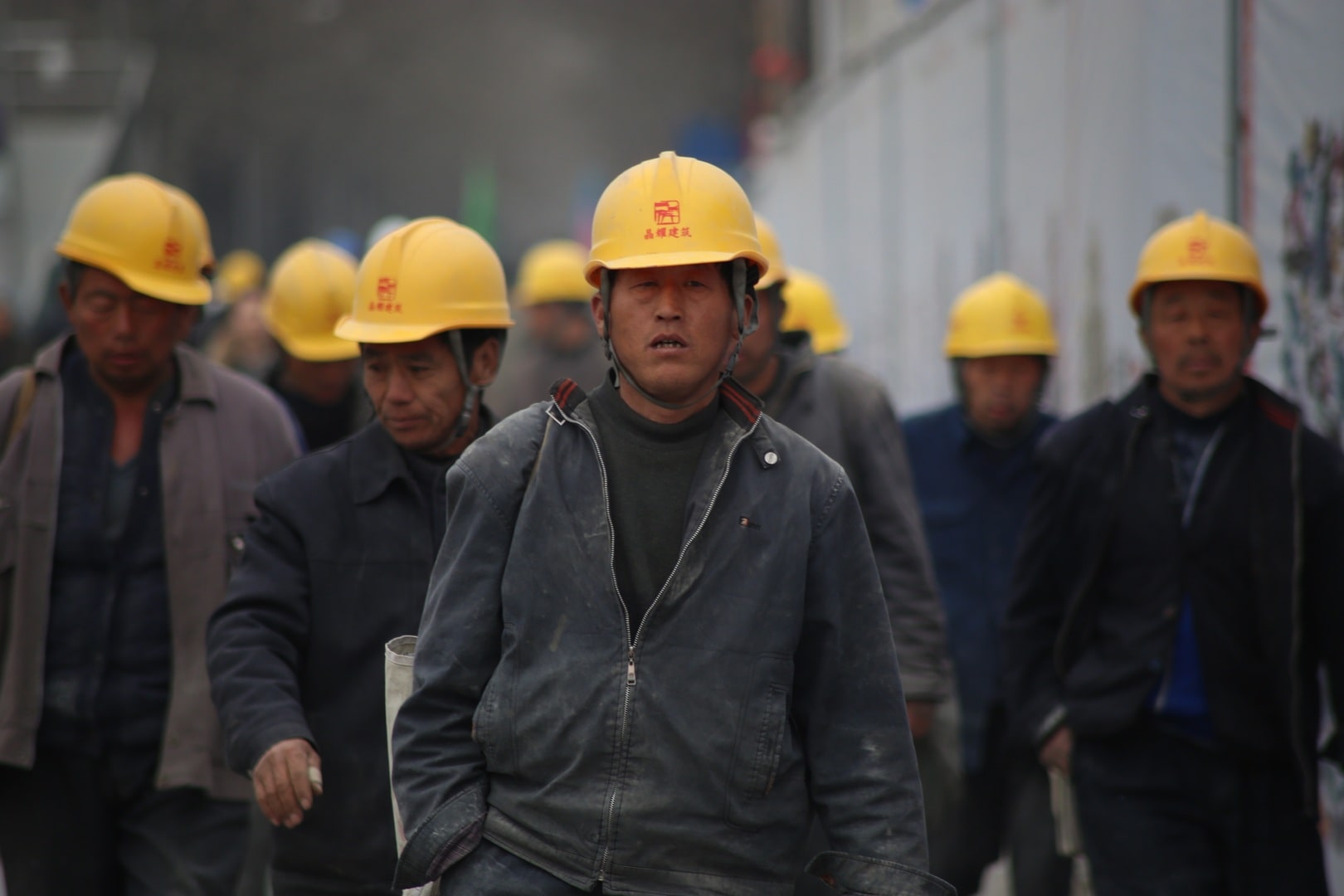
Month: November 2026
Archive
- November 2026
- October 2026
- September 2026
- August 2026
- July 2026
- June 2026
- May 2026
- April 2026
- March 2026
- February 2026
- January 2026
- December 2025
- November 2025
- October 2025
- September 2025
- August 2025
- July 2025
- June 2025
- May 2025
- April 2025
- March 2025
- February 2025
- January 2025
- December 2024
- November 2024
- October 2024
- April 2024
- March 2024
Recent Posts
- The 2026 Ozone Update and Why Different Air Measurements Answer Different Questions
- Ecosystem Restoration Needs Evidence of Recovery as Well as Activity
- Turning Food Waste into a Business Decision That Can Be Measured
- Workplace Heat Assessment and the Move Towards Sustainable Cooling
- Methane Reductions Depend on Measurement and Follow Through
Tags
#AirQualityMonitoring #AmbiantAirQuality #CarbonCapture #CleanFuture #ClimateAction #EcotoxAdvantage #EnvironmentalInnovation #GreenFuel #GreenHydrogen #IAQ #MicroplasticSolutions #SustainableWasteManagement #NoiseMoniroringServices #NoiseProtection #OSH #Sustainability Air Quality Antimicrobial Resistance Atmospheric Science Caribbean Chemical Safety Ecosystem Restoration Emissions Monitoring Endocrine Disruptors Energy Environmental Baselines Environmental Sampling Environmental Testing Food Analysis Food Businesses Food Waste Heat Stress Lead Methane Occupational Monitoring Ozone Pollution Prevention Trinidad and Tobago Wastewater Water Quality Wetlands Workplace Safety