


Turning Food Waste into a Business Decision That Can Be Measured
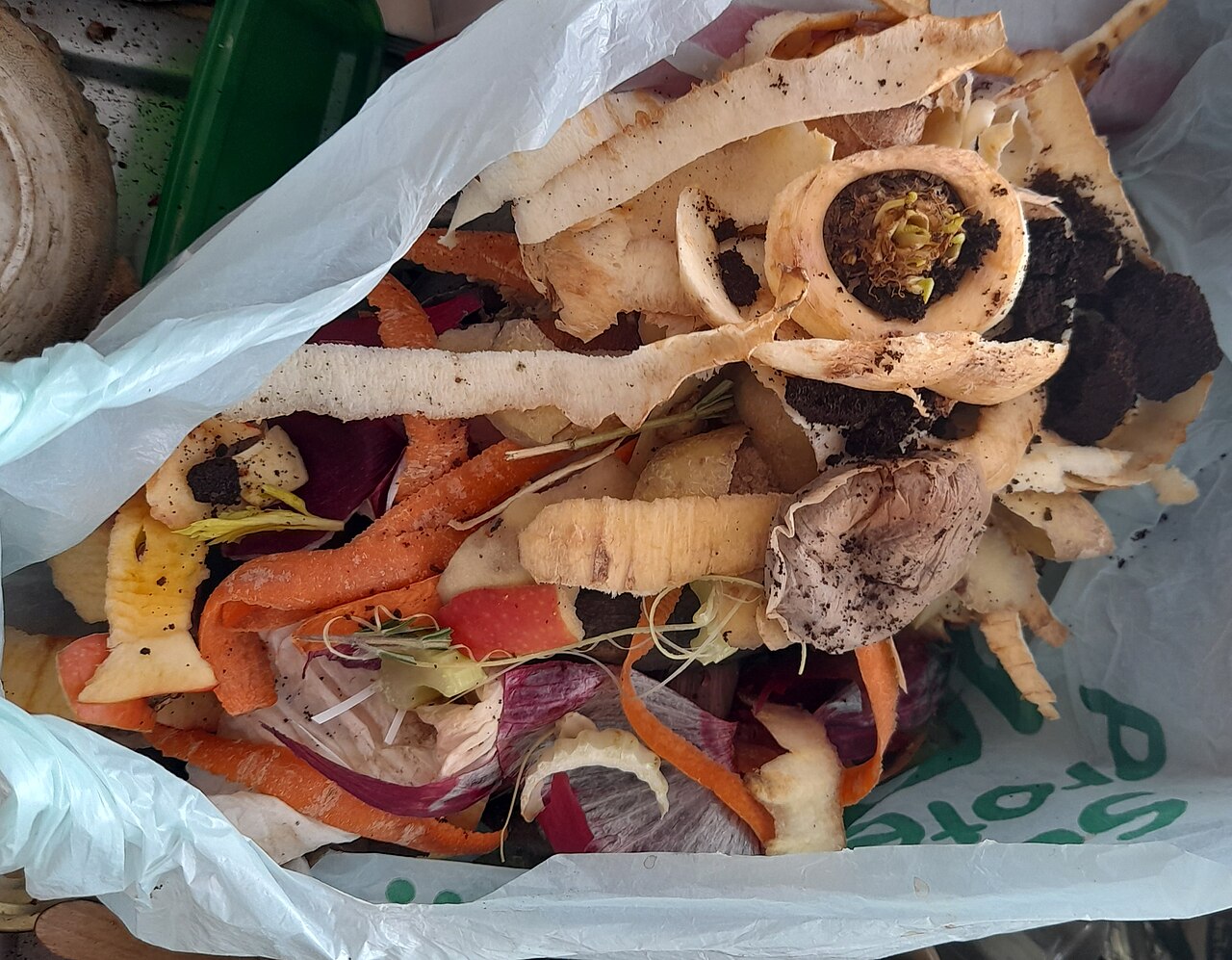
Food waste becomes a more useful business question when a company can explain what it discards, why it happens and which change is worth testing. For food businesses in Trinidad and Tobago, Guyana, Suriname and the wider Caribbean, measurement can connect purchasing, production and laboratory evidence. The aim is to prevent avoidable loss while protecting product safety and quality.
Imagine a processor weighing its waste bin for the first time. The total includes damaged ingredients, routine preparation material and finished products that never reached a customer. Those categories have different causes. Consequently, one large number may reveal the scale of the issue without identifying the best response.
A new Australian toolkit provides a timely example of a more structured approach. Its value for Caribbean readers lies in the questions it encourages, rather than a promise that an overseas case will deliver identical local savings. A sound project still needs evidence from the business itself.
What the new food waste toolkit offers
Curtin University announced Food Waste PRO on 26 October 2026. Developed with Western Australia's Department of Primary Industries and Regional Development and industry partners, the toolkit helps businesses assess prevention and new uses for materials. It connects measurement with technical, operational and commercial decisions.
DPIRD describes a process that moves from expectations and process mapping through measurement, opportunity assessment and financial comparison. The tools support decisions about whether an option should proceed. They do not establish the safety, legality or profitability of a proposed Caribbean product.
For a local manager, the useful lesson is to investigate before investing. A machine that can process a material may still require reliable supply, a suitable product specification and customers. Meanwhile, a simpler purchasing change may address the original loss more directly.
Use research to frame food waste questions
An overseas case can suggest an idea worth exploring. However, differences in ingredients, scale, logistics and local requirements affect its application. Keep those differences visible when discussing the opportunity with management.
The examples below are practical illustrations, rather than measured results from named regional companies. They show how a business can structure its own investigation. Actual decisions require suitable operational, technical and regulatory review.
Define the food waste boundary before collecting data
Decide which site, process and period the project will cover. A restaurant kitchen, a produce distributor and a factory line have different material flows. The measurement boundary should reflect the decision the business wants to make.
For example, a kitchen might initially examine preparation losses during one service period. A distributor could focus on damaged or rejected deliveries. Neither project needs to claim that its first study measures the entire supply chain.
Distinguish food loss from food waste reporting
FAO's international measurement framework separates losses before retail from waste at retail and consumption stages. It also explains why a baseline matters when tracking change. These distinctions help readers understand the scope of published statistics.
A company can apply the same care to its own reporting. State the material categories and stage included in the study. Therefore, a production-loss figure should not appear directly comparable with a restaurant's plate-waste figure without further explanation.
Map where food waste occurs
Walk through the process from receipt to dispatch or service. Identify where material leaves the intended product route. Next, connect each point with the staff who can explain what happened there.
A useful map may include receiving, storage, preparation, processing, packing and returns. Keep it simple enough for the team to maintain. Its purpose is to reveal decisions and causes, rather than produce a complicated diagram that nobody uses.
Separate the reason from the destination
The reason for a discard and its eventual destination describe different things. A product may leave sale because of damage, forecasting error or an unresolved quality concern. Sending each material to the same collection point does not make those causes identical.
Record both fields when they matter to the project. This helps the business distinguish prevention from a change in disposal route. In addition, it avoids reporting that material generation fell when only the collection arrangement changed.
Make food waste measurement practical
Choose a recording method that staff can use during a normal shift. The team needs consistent units, clear category names and a known treatment of containers. Otherwise, differences in how people record a bin can overwhelm the signal the manager wants to understand.
Where weighing is appropriate, account for the container so that the record represents the material of interest. Identify the scale and relevant checks. If the team estimates a quantity, label the estimate instead of presenting it as a direct measurement.
Record activity with food waste totals
Keep the relevant production or service quantity with the discard record. A busy week may generate more discarded material even while performance per unit improves. Conversely, a quiet week can produce an apparently better total without any operational change.
For example, a hypothetical kitchen could compare kilograms discarded per meal served. A processor might examine kilograms lost per quantity of material received. The denominator should fit the process, and the report should explain it clearly.
Keep unusual events visible
A cancelled event, equipment failure or rejected delivery can affect the figures. Note those events alongside the daily record. This allows a reviewer to distinguish ordinary operations from a period dominated by a specific incident.
Do not remove an inconvenient event simply to improve the result. Instead, show how it affects the comparison. A useful dataset describes what happened, including the circumstances that management may want to prevent next time.
Distinguish avoidable food waste from routine process material
Some material may be inherent in the present process, while other losses arise from choices the business can change. The team should describe those categories explicitly. However, it should avoid deciding that every existing process loss is permanently unavoidable.
A preparation method, specification or supplier arrangement may warrant investigation. First, establish the current practice and its purpose. Then review whether a proposed change can preserve the required product and operating standard.
Connect food waste causes with responses
If ingredients expire before use, purchasing and stock rotation may deserve attention. If a line produces damaged packs, the investigation may involve equipment or handling. These are different projects even though both contribute to a waste total.
Assign each priority to someone who can investigate the relevant process. A single sustainability officer may coordinate the programme, but purchasing, operations and quality staff hold different parts of the answer. Their roles should remain clear.
A simple food waste calculation
Suppose a hypothetical business receives 1,000 kilograms of an ingredient during a defined week. Its records identify 80 kilograms discarded within the chosen boundary. The ratio is eight per cent for that material, period and boundary.
If a later week involves 1,500 kilograms received and 90 kilograms discarded, the absolute discard rises while the ratio falls to six per cent. Both observations are true. Therefore, a management summary should show the total and the relevant activity measure together.
Explain what the numbers exclude
These figures are invented examples, rather than a regional benchmark or target. They do not establish whether the operation performed well. The business still needs to understand the causes, product mix and measurement quality.
The calculation also excludes any material outside its stated boundary. A lower loss at one stage could coincide with higher loss elsewhere. Consequently, the team should check connected stages before making a wider supply-chain claim.
Connect quantities with a realistic business case
A waste quantity and its financial effect are related, but they are not the same measure. A business should explain which costs its calculation includes. Ingredients, handling, packaging and disposal may enter the analysis differently depending on the decision.
Avoid assuming that every kilogram prevented will save the full selling price of a finished product. That assumption could overstate the benefit. Instead, identify costs that the proposed change would actually avoid and any additional cost needed to achieve it.
Include the work needed to maintain the change
A new recovery route may involve sorting, storage, transport, testing or additional staff time. A proposed product can also require development and packaging. These inputs belong in the comparison alongside any expected benefit.
Use a range or sensitivity review where important assumptions remain uncertain. For example, examine how the proposal behaves if material supply or customer demand is lower than expected. This helps management see which questions need resolution before committing further resources.
Food waste prevention begins before disposal
Review decisions that shape how much material enters the process. Procurement quantities, delivery schedules and production planning can influence what remains unused. The appropriate response depends on the cause identified in the baseline.
For example, a hypothetical caterer may discover repeated overproduction for a particular service. Its first trial could examine ordering and preparation quantities. Purchasing equipment to process leftovers would address a different point in the chain.
Preserve service and quality requirements
A prevention trial should name the standard it must maintain. A reduction in prepared volume is useful only if the business can still meet its legitimate service requirements. Keep customer complaints, shortages and relevant quality observations beside the waste figures.
This creates a more balanced review. The team can assess whether the change reduced avoidable loss without merely moving the problem. In addition, staff can report practical issues before the trial becomes a permanent procedure.
When laboratory evidence becomes relevant
An operational record explains when and why a product leaves its intended route. Laboratory work can address a different, defined question about the material or product. The project should connect those questions before requesting tests.
For example, a business may investigate a quality concern or plan a study of a product under specified storage conditions. Its laboratory brief should identify the product, handling history and proposed use. A generic test list may miss the issue that determines the decision.
Shelf life needs a study design
Changing a label date is not a substitute for a suitable shelf-life evaluation. A study should consider the actual product, process, packaging and storage conditions. A qualified food professional and laboratory should agree the relevant approach before drawing a conclusion.
A favourable result from one sample does not establish every batch's future performance. Similarly, the appearance of a product does not resolve all safety questions. The business needs evidence suited to the claim it intends to make.
Confirm which analyses answer the question
ECOTOX lists food microbiology, shelf-life studies and food-chemistry work among its services. Its published parameters include pH, moisture and water activity. These capabilities can support a defined investigation, with the product and method confirmed for the assignment.
Do not assume that one parameter establishes a product's complete safety or suitability. The laboratory can explain what its proposed scope measures. The food business remains responsible for connecting those results with its process and applicable requirements.
New uses for materials need separate assessment
A material that leaves one process may interest another business. However, that interest does not automatically establish a safe or lawful food ingredient. The proposed route needs a clear material description and appropriate professional review.
Keep materials with unknown or unsuitable histories out of an assumed food-recovery route. Commercial enthusiasm should not replace technical assessment. The project needs to establish what the material is and whether the intended use can meet the relevant requirements.
Start with a defined specification
A potential buyer should explain the material characteristics it requires. The supplier can then assess whether it can provide that material consistently. Otherwise, a promising discussion may conceal incompatible expectations about quality, quantity or handling.
The agreement also needs a route for rejected material and interrupted collections. A recovery project should remain practical when operations differ from the ideal week. These arrangements help prevent a proposed solution from creating another unmanaged stockpile.
Testing food waste improvements through a pilot
Choose one change with a clear purpose and review period. Record the original practice, proposed adjustment and measures needed to assess the outcome. In addition, identify the person who will decide whether the pilot should continue.
A small, answerable trial can reveal constraints before a wider investment. For example, the team may learn that the material requires more sorting than expected. That finding can improve the proposal even when the initial idea needs revision.
Agree the decision criteria in advance
The review should cover operational practicality, relevant safety and quality requirements, and the business case. A lower discard total alone may not settle every question. State which findings would support continuation, modification or stopping the trial.
Keep the original criteria with the final decision. This prevents a successful-looking headline from replacing the question the business originally asked. It also helps the next project learn from the work already completed.
Food waste applications in Trinidad and Tobago
Consider a hypothetical Trinidad food manufacturer examining losses at packing. Its team could distinguish damaged packaging from rejected product and equipment start-up material. Those categories may lead to different corrective actions and different requirements for investigation.
A restaurant in Tobago could instead examine purchasing and preparation around changing demand. The relevant activity measure might involve meals served or bookings. These examples show why a local baseline is more useful than adopting an overseas percentage as a target.
Connect purchasing, operations and the laboratory
Purchasing staff can explain incoming specifications and delivery arrangements. Operations can describe the point where material leaves the process. Quality staff and the laboratory can clarify a defined analytical question where one exists.
Bring those records together before commissioning a study. The discussion may reveal that a handling change deserves trial, or that further evidence is necessary. Either outcome is more useful than ordering tests without a decision in mind.
Applying the method in Guyana and Suriname
A hypothetical Guyana produce distributor may need to distinguish incoming damage from losses during storage or dispatch. Recording the stage and material can make a supplier discussion more specific. It also helps the manager identify where the business itself can act.
A hypothetical Suriname processor exploring a new use for a by-product faces a different assignment. The project needs material specifications, a suitable handling route and a realistic market assessment. Any proposed food use also needs appropriate safety and regulatory review.
Keep regional comparisons comparable
A group operating across countries can use shared category definitions while retaining each site's identity. Record local products, units and operating periods. This supports a regional overview without pretending that every operation has the same loss profile.
The group should also explain currency and cost assumptions separately when comparing business cases. A physical quantity does not require the same assumptions as a financial estimate. Keeping those records distinct makes the discussion clearer.
Wider Caribbean hospitality and supply chains
A hotel group may find that kitchen preparation, buffet service and returned plates raise different questions. Separate these stages before selecting a prevention trial. Otherwise, a successful change in one area can disappear inside an undifferentiated total.
Similarly, a regional supplier may need to examine packaging and delivery conditions alongside customer returns. The record should identify what the business knows and what needs investigation. It should not assign fault to a supplier or customer without suitable evidence.
Communicate results in plain language
A useful progress note states the material, boundary, period and measured change. It also explains relevant changes in production or service activity. Readers can then distinguish a documented result from an estimate or future ambition.
Avoid calling a business waste-free because one route now receives a different destination. Explain the actual improvement. A precise claim can be more credible than a broad statement that the records cannot support.
Building a useful ongoing food waste record
Keep the recording process proportionate to the decisions it supports. A short daily record can work well when categories and responsibilities remain consistent. Review the data with the people who can act on the findings.
Finally, revisit the boundary when products, suppliers or processes change. An old baseline may need context before it supports a new comparison. The programme should remain connected to the business as it operates today.
How ECOTOX can support the next decision
For a product investigation, begin with ECOTOX microbiology and food analysis services. Describe the material, process, packaging, storage conditions and question. The team can clarify whether the proposed analytical or shelf-life scope suits the intended decision.
Where a project also involves waste-management planning or an environmental question, discuss the appropriate ECOTOX consultancy services. Confirm the specific scope rather than assuming that a laboratory result answers every operational question.
For businesses in Trinidad and Tobago, Guyana, Suriname and the wider Caribbean, the most useful food waste project starts with a clear baseline. It then connects a practical change with suitable evidence, allowing the company to decide what to improve next.
Sources
- Curtin University announcement of Food Waste PRO. 26 October 2026.
- Western Australia Department of Primary Industries and Regional Development Food Waste PRO Toolkit. Accessed 20 November 2026.
- ECOTOX Microbiology and Food Analysis. Accessed 20 November 2026.
- FAO food-loss measurement framework. Accessed 20 November 2026.
Image credit: Tek monde. Kitchen food waste vegetable peelings and coffee grounds in biodegradable bag. CC BY-SA 4.0. Illustrative photograph from February 2026, not a trial of the Food Waste PRO toolkit. Wikimedia supplied a reduced resolution copy; no other edits. The image retains its CC BY-SA 4.0 licence.
