


Pharmaceutical Pollution and the Role of Wastewater Monitoring in Preventing AMR
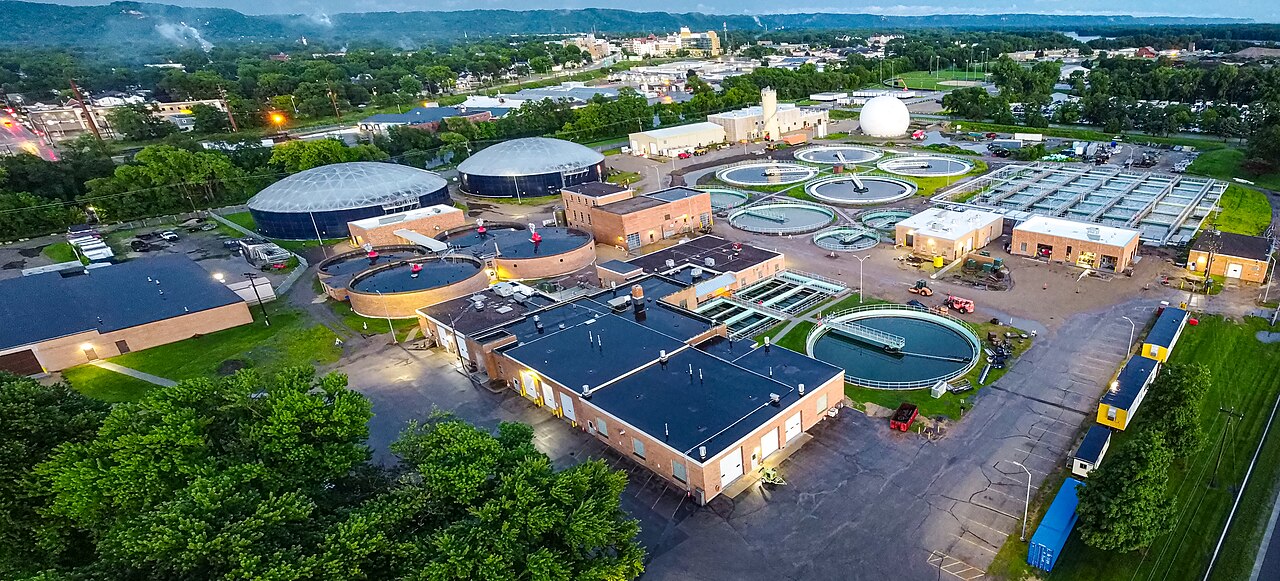
Pharmaceutical pollution connects medicine handling with an environmental question: what leaves a facility after the medicine has served its purpose? Wastewater monitoring can help businesses investigate that question. For Trinidad and Tobago, Guyana, Suriname and the wider Caribbean, the useful approach brings together waste prevention, suitable sampling and a clear plan for acting on the findings.
Consider a healthcare facility reviewing its liquid waste. The manager has routine effluent reports, a medicine inventory and a waste-collection contract. However, none of those records alone explains whether a selected pharmaceutical reaches a particular discharge. The investigation needs to connect the operation with the evidence.
This matters during World AMR Awareness Week, observed from 18 to 24 November. Antimicrobial resistance is a shared health and environmental challenge. Nevertheless, a responsible environmental assessment must distinguish a measured residue, an indicator organism and evidence of resistance. Each answers a different question.
What the new pharmaceutical pollution report says
UNEP's report of 29 October 2026 examines pharmaceutical pathways, pollution hotspots and priorities for action. It highlights prevention across the medicine life cycle, including production, use and disposal. The report also identifies potential effects on wildlife, ecosystem functions and antimicrobial resistance.
The practical message extends beyond adding another test to a monitoring schedule. Organisations need to understand where releases could occur and which interventions address them. Consequently, a useful programme links waste handling, purchasing, process information and environmental measurements.
The international report does not establish pharmaceutical contamination at any named Caribbean facility. Instead, it provides a basis for asking more focused questions. Local findings still depend on suitable evidence from the operation or environment being assessed.
Where pharmaceutical pollution can begin
UNEP identifies several release pathways, including manufacturing, excretion after medicine use and disposal of unused products. These pathways involve different activities and responsibilities. Therefore, an investigation should identify the relevant source before choosing a sampling location.
Manufacturing and process wastes
A manufacturing assessment may follow a substance through production, cleaning and treatment. For example, a facility can identify whether a process stream enters a separate waste system or joins other wastewater. That information helps the team select the investigation boundary.
WHO's 2024 guidance specifically addresses wastewater and solid waste from antibiotic manufacturing. Its scope should remain clear when discussing other facilities. A manufacturing framework is not automatically a universal discharge standard for hospitals, hotels or municipal systems.
Use, collection and disposal
Medicine use creates a different set of environmental pathways. An organisation may also handle unused stock, damaged packaging or expired products. Consequently, the waste review should describe these activities separately from ordinary wastewater generation.
Clinical decisions remain the responsibility of qualified healthcare professionals. Environmental monitoring should support pollution prevention without encouraging patients to change prescribed treatment. The facility's waste-management arrangements provide a more appropriate starting point for an operational review.
Why pharmaceutical pollution matters to AMR
Antimicrobial resistance develops when microorganisms no longer respond to medicines intended to control them. UNEP and WHO identify environmental releases as part of this wider challenge. However, detecting a particular chemical does not demonstrate every subsequent biological outcome.
A laboratory may measure an antibiotic residue without evaluating resistance in microorganisms. Similarly, a routine microbiological result may describe an indicator organism without identifying a resistance mechanism. The project brief should explain which type of evidence the business needs.
Keep three questions separate
First, is a selected substance present within the method's reporting capability? Next, what does the investigation show about microorganisms in the sample? Finally, does any specialist evidence address resistance? Treating these as separate questions prevents a routine result from carrying an unsupported conclusion.
For example, an effluent report can be useful for general treatment management. Yet it should not become a certificate that a discharge is free of all pharmaceutical residues or resistance concerns. The conclusion must follow the actual analytical scope.
Define the pharmaceutical pollution question before sampling
A monitoring brief should name the decision the results will inform. The organisation may be investigating a waste route, reviewing a treatment stage or checking a specific process change. A clear purpose helps the project team decide what evidence would be useful.
Identify the operation and the waste stream
Describe what happens at the facility and where the relevant materials could go. Include cleaning activities, stock handling and any separate waste collections. In addition, identify who can explain unusual events during the sampling period.
The same building can contain several different waste routes. Therefore, a sample from a convenient outlet may not represent the stream that concerns the manager. A simple diagram can clarify the collection point before fieldwork begins.
Decide what would change the response
The brief should explain what the organisation will do with the result. For example, a finding may trigger a supplier discussion, a waste-handling review or further technical work. This turns monitoring into part of an operational decision rather than an isolated reporting exercise.
It also helps prevent unnecessary testing. If a proposed result would not affect any decision, the team should revisit the purpose of the work. The priority is a suitable investigation, not the largest possible list of parameters.
What routine wastewater results can and cannot show
General effluent parameters describe important aspects of wastewater quality. However, a routine result does not automatically quantify an individual pharmaceutical. The laboratory must confirm the selected compound, sample material and suitable method.
A general indicator is not a named pharmaceutical
A manager may already have information about pH, solids or oxygen-demand parameters. Those records can help explain treatment conditions and operating changes. Nevertheless, they should not be interpreted as direct measurements of an antibiotic unless the analytical scope actually includes it.
Similarly, a result for one named compound should not represent every substance used by a facility. A targeted investigation needs an explicit list. The report can then state which questions it answers and which remain outside its scope.
An indicator organism is not a resistance assessment
Microbiological monitoring can provide useful information about a selected indicator or organism. However, resistance testing requires an appropriate specialist approach. The team should establish that distinction before making a public or internal claim about AMR.
For example, a favourable routine result may support one part of a wastewater review. It does not establish that every possible resistance pathway has disappeared. Clear language preserves the value of the result without overstating it.
Sampling design for pharmaceutical pollution investigations
The collection strategy should reflect how the waste stream behaves. A short discharge event, a continuous process and a mixed final outlet raise different questions. Therefore, the project team should discuss timing and operating conditions alongside the collection location.
Grab and composite samples
A grab sample represents a collection at a particular time and place. A composite combines material according to a defined collection design. Neither approach is automatically best for every pharmaceutical or every investigation.
The laboratory and field team should confirm whether the proposed design suits the target substance and decision. For example, a time-averaged sample may answer a different question from an investigation of a short process event. Practical convenience should not determine the interpretation.
Field records give results their context
Record the collection time, location and relevant activity. Note unusual cleaning, maintenance, rainfall effects or process changes when they matter to the investigation. These records help the reviewer assess what the sample represents.
In addition, keep the sample identifiers consistent from collection to reporting. If the report cannot be linked confidently to the collection point, the organisation may struggle to use the finding. Traceability is an operational requirement, not simply an administrative detail.
Why concentration and discharge quantity differ
A concentration describes the amount of a substance within a defined quantity of sample. A discharge load also considers how much wastewater leaves the system over a period. Consequently, the same concentration can correspond to different total quantities when flows differ.
An illustrative calculation
Suppose a hypothetical discharge contains 0.01 milligrams per litre of a selected substance. If the flow is 100,000 litres per day, the calculated quantity is 1,000 milligrams, or one gram, per day. Doubling the flow at the same concentration doubles that calculated quantity.
These invented figures explain the arithmetic. They are not measurements from a Caribbean facility, treatment targets or permitted discharge limits. A real calculation needs suitable concentration and flow information for the same system and relevant period.
Do not compare unmatched measurements
A single concentration result and an unrelated flow estimate may not describe the same discharge conditions. Therefore, the project team should explain how it selected and aligned the measurements. Any important uncertainty should remain visible in the report.
The practical lesson is to name the measure being compared. A lower concentration, a lower daily quantity and a completed process change describe different aspects of performance. A clear monitoring record avoids treating them as interchangeable achievements.
Preventing pharmaceutical pollution before it reaches wastewater
UNEP's life-cycle approach places prevention alongside treatment and monitoring. For a business, this means examining why materials enter the waste stream in the first place. A sound investigation can therefore involve stock control and waste collection as well as sampling.
Review the handling of unwanted products
The organisation should identify how it manages expired, damaged or unused medicines. Next, it can check whether staff understand the approved collection route and who is responsible for it. The applicable arrangements depend on the facility and jurisdiction.
A waste contractor's service should match the material the organisation actually generates. For example, the collection record should distinguish pharmaceutical waste from other routine waste categories. If the scope is unclear, the manager should seek clarification from the appropriate provider or authority.
Connect the record with staff practice
A written procedure is useful only when staff can follow it during normal work. Therefore, the review should consider collection points, labels, responsibilities and reporting arrangements. The aim is to make the intended practice understandable and practical.
The team can then use its observations to identify a specific improvement. This might involve clearer segregation, better documentation or a revised collection arrangement. Any claim of environmental improvement should follow suitable evidence about the change.
Regional pharmaceutical pollution monitoring needs local context
A regional programme can use a common approach to defining questions and recording evidence. However, the actual site conditions and applicable requirements still need local review. An organisation should not assume that one country's permit arrangements describe every Caribbean operation.
Trinidad and Tobago
The EMA's current water guidance refers to the Water Pollution Rules, 2019. A facility should review its own discharge arrangements and relevant authorisations when planning compliance work. Specialised pharmaceutical analysis addresses an additional defined question; it does not replace the applicable monitoring programme.
For example, a wastewater manager can distinguish required routine reporting from a targeted investigation of a selected substance. This helps the business coordinate both activities without confusing their purpose or acceptance criteria.
Guyana
Guyana's government guidance describes environmental authorisation and project assessment through the EPA. For an operator, the useful first step is to identify the conditions relevant to its actual activity. A monitoring brief can then connect the project requirements with the waste stream under review.
The international AMR discussion may inform the investigation. Nevertheless, it does not establish that a particular facility has breached a condition or caused a local health outcome. Those conclusions require evidence specific to the case.
Suriname and the wider Caribbean
Consider a hypothetical regional healthcare group with facilities in Suriname and several Caribbean islands. It could maintain a common medicine-waste inventory while documenting each facility's collection and discharge arrangements separately. This gives the group a consistent overview without erasing local differences.
The example is a management application, not a report of contamination. It illustrates why regional coordination works best when each site retains a clear identity, operational record and responsible reviewer.
Evaluating a treatment change without promising a universal result
A facility considering a treatment improvement should define the performance question first. The investigation may compare a selected substance before and after a relevant stage. However, the sampling design and analytical method must support that comparison.
Operating conditions also matter. If the input stream changes substantially during the trial, the reviewer needs to understand that change. Otherwise, a difference in results may receive an explanation that the evidence does not support.
Make the pilot answerable
A useful pilot identifies the baseline, proposed intervention, measurements and review point. In addition, it assigns responsibility for interpreting the findings. The organisation can then decide whether the evidence supports continuing, adapting or investigating further.
A pilot should not promise a fixed removal percentage before suitable evidence exists. Nor should one favourable sample establish permanent performance. The value lies in learning whether the proposed intervention addresses the defined problem under the conditions examined.
Communicating pharmaceutical pollution findings responsibly
Environmental information should remain understandable to people outside the laboratory. A management note can identify the sample, target substance, main result and practical limitation. It can then explain the next decision in plain language.
Avoid combining environmental monitoring with identifiable patient information unless a separate authorised process requires it. A wastewater investigation should collect the operational information it needs. This helps the team keep the project focused on its environmental purpose.
A useful management review
The review should connect each finding with an owner and a next action. For example, one question may require a waste-contract clarification, while another needs laboratory advice. The record should distinguish completed actions from unresolved technical questions.
Finally, explain how follow-up will work. If the organisation changes a collection route or treatment practice, it needs an appropriate way to assess the outcome. This gives the monitoring programme a practical role after the initial report arrives.
Common questions about pharmaceutical pollution
Can routine effluent testing prove that pharmaceutical pollution is absent?
No. Routine parameters address the scope listed on the report. A conclusion about a selected pharmaceutical requires suitable targeted evidence. Therefore, the organisation should confirm the intended substances and methods before commissioning an investigation.
Does finding a residue prove that resistance developed at the site?
No. Chemical detection and the development of resistance are different findings. The investigation may need additional evidence about sources, microorganisms and relevant pathways. A single residue result should not become a claim about a clinical outcome.
Should every facility order the same pharmaceutical pollution tests?
No. A hospital, distributor and manufacturing facility handle different materials and waste routes. The appropriate scope should follow the operation and decision. A common purchasing list can be convenient, but it is not a substitute for a technical brief.
How ECOTOX can support the investigation
ECOTOX lists water and wastewater microbiology, environmental analytical testing, specialised sampling and waste-management consultancy among its services. These capabilities can support a defined environmental investigation. However, the team should confirm the availability of each specialised pharmaceutical method or resistance assessment before commissioning it.
For organisations in Trinidad and Tobago, Guyana, Suriname and the wider Caribbean, a practical starting point is the process description. Add the waste routes, existing reports and reason for the investigation. Those records help identify which routine and specialist analyses would address the actual question.
Explore ECOTOX's microbiology and food analysis, specialised sampling and consultancy services to discuss an appropriate scope. The aim is a clear connection between environmental evidence, operational decisions and a documented response.
Sources
- UNEP Pharmaceuticals in the environment report. 29 October 2026.
- UNEP World AMR Awareness Week 2026. 18 to 24 November 2026.
- WHO guidance on wastewater and solid waste management for manufacturing of antibiotics. 3 September 2024.
- ECOTOX Microbiology and Food Analysis. Accessed 20 November 2026.
- UNEP pharmaceuticals and environmental pathways. Accessed 20 November 2026.
- Trinidad and Tobago EMA water pollution guidance. Accessed 20 November 2026.
- Guyana Government environmental authorisation guidance. Accessed 20 November 2026.
- ECOTOX specialised sampling services. Accessed 20 November 2026.
Image credit: Wikideas1. La Crosse wastewater treatment facility. CC0 1.0. Illustrative wastewater facility in the United States, photographed in 2024. The image does not establish pharmaceutical pollution at this facility. Wikimedia supplied a reduced resolution copy; no other edits.
