


Hybrid Aircraft Propulsion Could Reduce Aviation Emissions
Introduction
Hybrid aircraft propulsion is gaining attention as a pathway to reduce aviation emissions.
Hybrid aircraft propulsion combines conventional fuel engines with electric motors.
Researchers are investigating whether this approach can lower emissions from regional flights.
Study / discovery overview
To examine this concept, researchers affiliated with SINTEF and Norwegian research institutions studied hybrid propulsion systems for aviation.
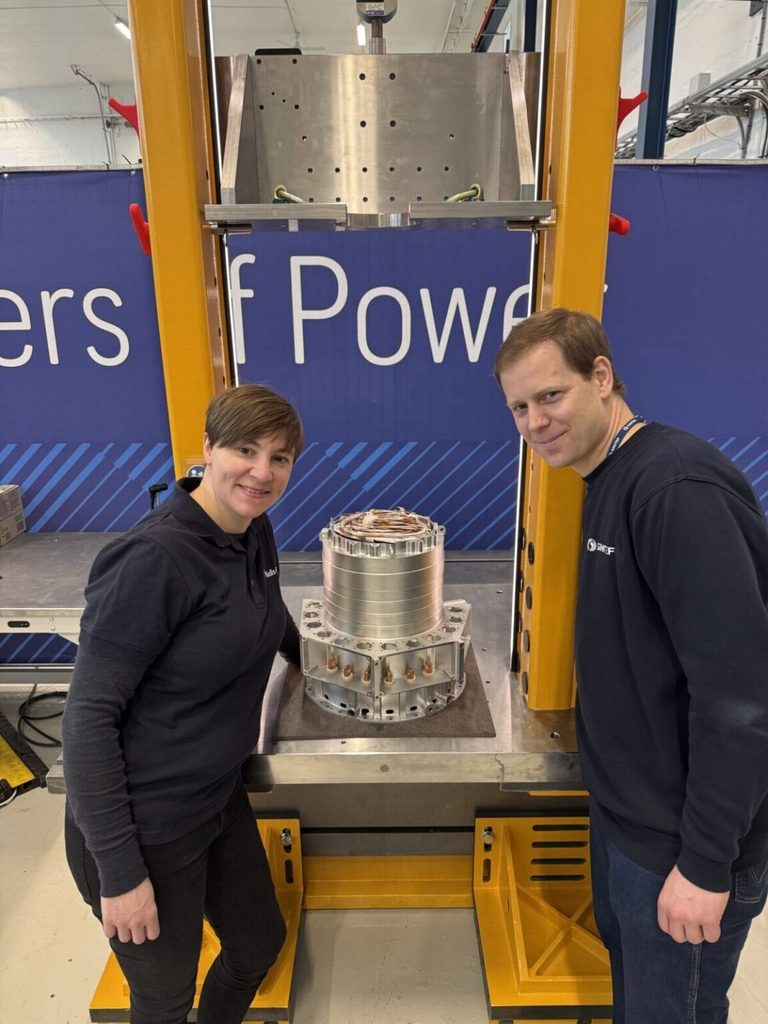
The design integrates an electric motor and a conventional combustion engine to drive a propeller.
Scientists evaluated potential performance improvements for regional aircraft routes.
The findings were reported by Norwegian SciTech News.
Key findings
Researchers concluded that hybrid propulsion could reduce aviation emissions by up to 30 percent.
The system works similarly to hybrid vehicles used in road transport.
Electric power supports the aircraft during phases with high energy demand.
Conventional fuel engines provide propulsion during cruise segments.
This combined configuration improves overall fuel efficiency during flight operations.
Researchers indicated that regional routes may represent the most suitable early application.
Broader implications
Aviation contributes a notable share of global transport emissions.
Hybrid propulsion systems may reduce emissions without requiring fully electric aircraft.
Regional aviation networks could adopt these systems sooner than long-distance flights.
Incremental technological improvements may support broader aviation decarbonization strategies.
Continued research remains necessary to evaluate infrastructure requirements and lifecycle impacts.
How Ecotox Environmental Services Can Help
Emerging aviation technologies require environmental monitoring and assessment during deployment.
Ecotox Environmental Services conducts air quality monitoring around industrial and transport infrastructure.
Environmental sampling programs evaluate emissions and environmental conditions near operational sites.
Fate and transport modelling supports evaluation of atmospheric contaminant dispersion.
Environmental impact assessments assist stakeholders implementing emission reduction technologies.
Ecotox Environmental Services environmental monitoring and assessment capabilities — https://ecotoxes.ani.quest/services/
Norwegian SciTech News report on hybrid aircraft propulsion — https://norwegianscitechnews.com/2026/02/a-solution-tha