


Workplace Heat Assessment and the Move Towards Sustainable Cooling
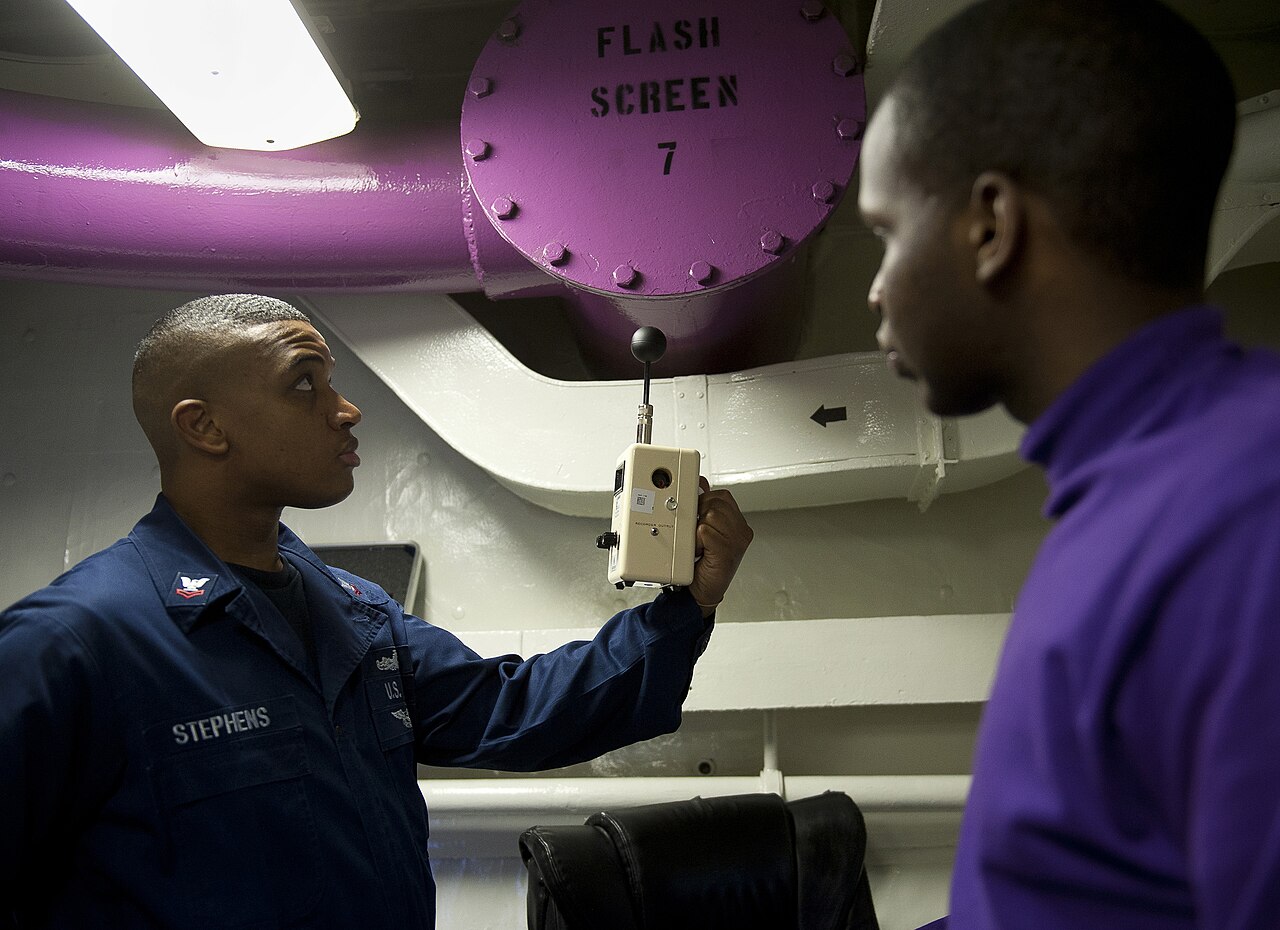
Workplace heat assessment connects the conditions people experience with the work they actually do. For employers in Trinidad and Tobago, Guyana, Suriname and the wider Caribbean, that means looking beyond a weather forecast or thermostat. A useful assessment identifies exposed tasks, measures relevant conditions and helps the business choose controls it can maintain.
Consider a warehouse with a comfortable front office and a hot loading area. Its monthly electricity bill cannot tell the safety manager what a delivery crew experiences during unloading. Similarly, a temperature reading beside the office door may miss the task that needs attention most.
The November 2026 international discussion on sustainable cooling makes this a timely business question. However, the practical starting point remains local: which workers face heat, under what conditions, and what change would help? Good monitoring gives that conversation a sound basis.
What the November sustainable cooling announcement means
On 17 November, UNEP reported that governments at COP31 welcomed an integrated approach to extreme heat and sustainable cooling. The announcement describes a voluntary global roadmap, alongside priorities for passive design, shade and efficient cooling. It connects protection from heat with the environmental effects of meeting growing cooling demand.
This is an international policy development. It does not establish a new temperature limit for an individual Caribbean workplace. Therefore, an employer should distinguish the announcement from the laws, professional guidance and project requirements relevant to its own operation.
For a business, the useful connection is between exposure and investment. A cooling purchase should respond to a defined problem. Otherwise, the organisation can spend money on equipment without establishing whether conditions improved where people work.
Define the workplace heat assessment decision
A manager may need to assess an existing loading bay, compare proposed changes or investigate a recurring concern. Those are different assignments. First, define the decision and the workers whose conditions matter to it.
For example, a survey intended to assess a roof modification needs a suitable comparison before and after the work. A first investigation of worker concerns may need a broader view of tasks and locations. The question should guide the survey, rather than follow it.
Workplace heat assessment starts with the task
Create a practical description of the work before choosing measurement positions. Record where a task occurs, when it happens and how long it normally lasts. In addition, identify whether the worker moves between areas with different conditions.
A fixed workstation and a delivery route need different descriptions. One involves a relatively consistent location, while the other may include outdoor waiting, vehicle travel and manual unloading. An area average could conceal an important part of that route.
The task record should also distinguish routine activity from occasional demanding work. For instance, a team may spend most of a shift on light duties but periodically move heavy goods. The assessment should explain how it considered that variation.
Listen to the people doing the work
Workers and supervisors can identify places and periods that an initial walk-through might miss. Ask about changing sun exposure, hot equipment, blocked airflow and difficult jobs. However, treat those observations as useful context alongside measurements, rather than replacing either form of information.
This discussion also helps the assessor plan a representative visit. A quiet morning inspection may not describe the afternoon loading operation. Consequently, the survey brief should name the activities that need to be present when measurements occur.
Understand the measures in a workplace heat assessment
Air temperature describes one part of the environment. Humidity, air movement and radiant heat can also affect heat exposure. OSHA's technical manual explains the use of wet bulb globe temperature, or WBGT, as a workplace heat assessment tool that considers several of these factors.
The manual also places environmental measurements alongside clothing and physical workload when assessing a heat hazard. Therefore, a WBGT number needs interpretation in the context of the task. It should not become a universal permission to continue any kind of work.
These are technical assessment principles, rather than a statement that US guidance automatically has legal force throughout the Caribbean. A competent occupational professional should identify an appropriate approach for the location, work and applicable requirements.
Keep heat stress, strain and comfort distinct
Heat stress concerns the combined heat load associated with work, surroundings and clothing. Heat strain describes the body's response. Thermal comfort concerns how a person experiences the environment; a comfortable office survey answers a different question from a demanding industrial heat assessment.
This distinction helps an employer commission the right work. A request to improve office comfort should not quietly become a conclusion about heavy outdoor labour. Likewise, an environmental survey should not claim to diagnose an individual worker's health.
A forecast is useful context
A weather forecast can support planning for hot conditions. However, it does not describe every local heat source or sheltered work area. A workshop beside a hot process may differ from the nearest weather station.
Keep the forecast with the survey context when it is relevant. Then explain what the assessor measured at the actual workplace. This gives management a clearer picture of how general weather information and site observations relate.
Choosing locations for workplace heat assessment
Map the positions where workers perform relevant tasks and where they recover. Next, identify changes in shade, proximity to hot surfaces and airflow. The aim is to represent meaningful differences in the working environment.
An instrument beside a wall may not represent a worker moving across a yard. Similarly, a reading in a shaded rest area should not stand in for conditions at an exposed work position. The report should make each location and its purpose clear.
Capture operating conditions for workplace heat assessment
Record whether equipment was running and which doors or ventilation systems were in use. Note any unusual conditions, such as a shutdown or temporary obstruction. These observations help explain what the measurements represent.
For example, an assessment during an idle production period may underrepresent the heat associated with normal activity. The result still describes that visit, but the limitation matters. A follow-up during representative operation may be necessary before choosing a permanent control.
Timing can change a workplace heat assessment
Choose survey periods that match the decision and the work pattern. A single convenient visit should not automatically represent every shift or season. Instead, identify the periods that require observation and explain the coverage achieved.
A business might need to compare early unloading with afternoon dispatch. Another may need to understand a hot process that operates intermittently. These examples involve different schedules, even if both sites occupy similar buildings.
Record changes during workplace heat assessment
Cloud cover, rain, open doors and operating activity may change while the assessor is on site. Keep relevant observations beside the time record. Otherwise, differences between readings can look mysterious when someone reviews them later.
The same discipline supports repeat work. A later survey can refer to the original locations, tasks and operating conditions. As a result, the team can make a more informed comparison after implementing a change.
Workload and clothing need their own context
Describe the physical demands of each relevant task clearly enough for professional interpretation. Carrying goods, operating equipment and standing at a counter are different activities. A job title alone may not describe the actual work.
Clothing and protective equipment also belong in the task record. However, workers should not remove necessary protection simply to make conditions feel cooler. The safety team needs to consider heat controls alongside the hazards that require that equipment.
Include contractors and changing duties
A permanent employee and a visiting contractor may perform different work in the same area. Include relevant contractor activity in the assessment scope. Otherwise, a site-wide statement may overlook the crew doing the most demanding task.
Similarly, duties can change during maintenance or a busy delivery period. A report should identify the work it covered. Management can then decide whether a change in activity requires further review.
Turn workplace heat assessment into practical controls
NIOSH recommends engineering controls alongside changes to work practices when addressing workplace heat. Its examples include suitable shielding, changes to air movement, reduced physical demands and recovery in a cool area. It also highlights training, accessible drinking water and a heat alert programme.
These options need a site-specific plan. An employer should involve a safety and health professional when heat stress presents a hazard. The assessment should help that professional connect the working conditions with suitable action.
Compare controls against the actual task
A proposed shade structure may help an outdoor waiting area but leave a nearby hot process unchanged. Similarly, a new cooling unit may serve a rest room while the work position remains exposed. Define what each control is intended to achieve.
Next, identify how the team will check that outcome. The measure might involve a repeat survey at the work position and a review of how staff use the control. A purchase invoice establishes that equipment arrived; it does not establish its effect.
Make the control usable during normal work
A control needs an owner and a practical operating arrangement. For example, a recovery area should remain accessible when the relevant crew needs it. Storing goods across its entrance can undermine the intention of the plan.
Ask supervisors to explain how the arrangement works during busy periods. This can reveal conflicts before they become routine. In addition, workers should know how to report when the control is unavailable or unsuitable.
Sustainable cooling needs a clear comparison
Cooling projects can involve building changes, shading, equipment and operating practices. A business should describe the conditions it wants to improve before comparing options. That creates a useful link between occupational findings and the investment brief.
For example, a manager might compare several options for an exposed dispatch area. The review can consider expected coverage, installation constraints, maintenance and energy use. However, it should retain the worker's task as the reason for the project.
Measure performance after installation
Keep the baseline survey and record the changes made. Then compare relevant conditions after the control is in normal use. Note differences in weather, workload or operating activity that could affect the comparison.
A lower electricity bill and improved working conditions are separate outcomes. The business can track both, using suitable evidence for each. Consequently, its sustainability report can explain what changed without turning one measure into a substitute for another.
Acclimatization and emergency arrangements
NIOSH advises a gradual approach for new and returning workers adjusting to work in hot conditions. Its acclimatization guidance describes adaptation over repeated exposure and explains that a period away can reduce those adaptations. The employer's plan should suit the workers and the work, with appropriate professional input.
Living in a tropical country is not an assessment of readiness for every hot task. A new recruit, changed duty or return after absence deserves attention within the workplace plan. Supervisors should understand how those situations affect work arrangements.
Monitoring does not replace a response plan
Workers need a clear route for reporting signs of heat-related illness. Supervisors also need training and established procedures for obtaining emergency medical assistance. A site should not wait for a survey report before acting on an immediate health concern.
Occupational monitoring supports prevention, while medical assessment addresses individual health needs. Keep those responsibilities clear. In addition, handle any personal health information through the appropriate confidential process.
Workplace heat assessment in Trinidad and Tobago
Imagine a Trinidad warehouse comparing a covered receiving area with an exposed unloading position. The survey could follow the delivery task through both locations. This would help the team connect each reading with the work taking place at that time.
The example is illustrative, rather than a finding about a named warehouse. It shows why the scope should follow the worker's activity. An office temperature alone would answer a much narrower question.
A practical brief for the site visit
The manager could provide shift times, a site sketch and typical delivery periods. In addition, the brief could identify the workers involved and any proposed changes. The assessor can then confirm the measurements and observation periods needed.
After the visit, management should receive a clear account of the conditions covered and the next actions. Recommendations should name the relevant work area. This makes it easier to assign responsibility and arrange a useful follow-up.
Applying the approach in Guyana and Suriname
Consider a hypothetical construction project in Guyana where tasks move as the site develops. A fixed measurement position may become less representative over time. Therefore, the assessment plan should allow the safety team to review locations as the work changes.
A hypothetical workshop in Suriname may present a different question involving machinery, indoor layout and work patterns. Its assessment should follow those conditions. The same report headings can support consistency without assuming that both sites need identical controls.
Keep language and responsibilities clear
Regional projects can involve several employers, contractors and working languages. Agree how the team will communicate findings and explain work arrangements. A technically sound report has limited practical value if the people responsible cannot act on it.
The project should also identify who reviews changes to tasks, equipment or schedules. Those changes can affect the original assessment. Consequently, the monitoring record should remain connected to current operations.
Wider Caribbean hospitality and service settings
Heat questions also arise in service areas that guests or customers rarely see. A hypothetical hotel may have comfortable guest rooms alongside demanding laundry or kitchen work. The survey scope should include the staff tasks that prompted the concern.
Similarly, a retail business may need to examine stock handling rather than the temperature near its sales counter. Sector labels alone do not identify the relevant exposure. A task-based brief makes the investigation more useful across different Caribbean businesses.
What a useful report should contain
A clear report names the method, instrument information, measurement positions, times and relevant operating conditions. It explains the tasks considered and the basis for interpreting the results. In addition, it states limitations that affect the conclusions.
Management should be able to distinguish immediate actions, further investigation and longer-term projects. Each action needs a responsible person and a review route. This helps the findings move from a technical document into routine workplace management.
Keep comparisons honest
If the follow-up covers different weather or activity, explain the difference. Do not attribute every improvement to a new control without reviewing the context. Conversely, do not dismiss a control simply because the comparison occurred under more demanding conditions.
The aim is a useful explanation of the evidence. That explanation can support better decisions about maintenance, work planning and future investment. It also helps a business communicate its progress accurately.
How ECOTOX supports workplace heat assessment
ECOTOX's published occupational monitoring services include heat-stress and thermal-comfort work involving temperature, humidity and air velocity. These services provide a relevant starting point for employers reviewing workplace conditions. The proposed instrument, any WBGT requirement and the interpretation method should be confirmed for the specific assignment.
For organisations in Trinidad and Tobago, Guyana, Suriname and the wider Caribbean, a useful enquiry describes the site and the task. Include working hours, relevant protective equipment and the decision the assessment needs to support. This helps establish a suitable scope before the visit.
Explore ECOTOX occupational monitoring services to discuss that scope. A well-planned workplace heat assessment can connect worker protection, practical controls and cooling investment with measurements that answer the right question.
Sources
- UNEP announcement on extreme heat and sustainable cooling. 17 November 2026.
- NIOSH Heat Stress and Workers. 2026 update.
- OSHA Technical Manual on heat stress assessment. Accessed 20 November 2026.
- ECOTOX Occupational Monitoring Services. Accessed 20 November 2026.
- NIOSH workplace heat recommendations. Accessed 20 November 2026.
- NIOSH heat acclimatization guidance. Accessed 20 November 2026.
Image credit: U.S. Navy photo by Mass Communication Specialist 2nd Class James R. Evans. A Sailor uses a heat stress monitor to measure temperature. Public domain US federal government work. Illustrative occupational survey aboard USS Carl Vinson in January 2012. The people shown are not ECOTOX staff. Wikimedia supplied a reduced resolution copy; no other edits.
