


Horticulture Research Drives Sustainable Agriculture Innovation
Introduction
Horticulture research impact continues to shape sustainable agriculture and environmental management practices.
Horticulture research impact supports improved crop productivity, resource efficiency, and ecosystem resilience.
Researchers are examining how long-term agricultural research programs influence farming systems.
Study / discovery overview
To reflect on this progress, researchers at the University of Kentucky Research and Education Center reviewed a century of horticulture research.
The program began in 1925 and expanded to support regional crop production and agricultural innovation.
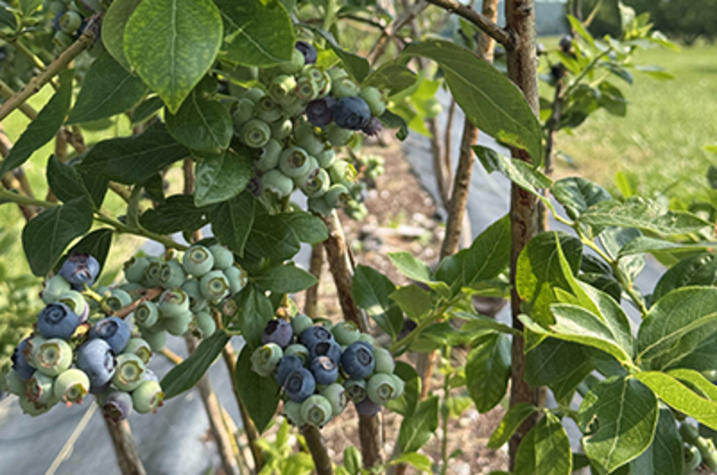
Research activities included fruit, vegetable, and ornamental crop systems aligned with grower needs.
The findings were reported by the University of Kentucky.
Key findings
Over time, horticulture research programs expanded from small experimental plots to large-scale applied agricultural systems.
Researchers conducted studies on fruit crops, vegetables, and ornamental plants to support local markets.
Integrated pest management programs helped farmers reduce pest impacts while improving crop efficiency.
Collaborations between researchers and growers supported practical solutions for real-world agricultural challenges.
Research initiatives adapted to changing market demands, labor constraints, and climate variability.
New technologies, including digital tools and modelling approaches, improved agricultural decision-making.
Current research focuses on crop diversification, climate-resilient cultivars, and efficient production systems.
Controlled environment agriculture and precision farming technologies are also gaining importance.
Broader implications
These findings highlight the importance of long-term research in supporting sustainable agriculture systems.
Horticulture research contributes to food security, environmental protection, and economic resilience.
Adaptation to climate change requires continuous innovation in crop systems and management practices.
Research programs that integrate science with field application can accelerate adoption of sustainable practices.
Agricultural systems must also balance productivity with environmental protection and resource efficiency.
Continued investment in research supports development of resilient and adaptive agricultural landscapes.
How Ecotox Environmental Services Can Help
Agricultural innovation requires environmental monitoring and impact assessment.
Ecotox Environmental Services conducts soil, water, and air sampling across agricultural systems.
Environmental monitoring programs evaluate impacts of crop production and land management practices.
Fate and transport modelling supports understanding of nutrient and contaminant movement.
Ecological risk assessments assist stakeholders in sustainable agricultural decision-making.
Internal link:
Ecotox Environmental Services environmental monitoring and assessment capabilities — https://ecotoxes.ani.quest/services/
Outbound citation:
University of Kentucky report on horticulture research impact — https://uknow.uky.edu/research/cultivating-growth-horticulture-uk-research-and-education-center-reflects-century-impact