


Plastic Pollution Persistence: Chemical Contamination and Long-Term Environmental Risks
Introduction
Plastic pollution continues to challenge environmental management globally.
Plastics persist for decades across aquatic and terrestrial ecosystems.
As a result, researchers increasingly investigate chemical contamination linked to plastic debris.
Study / discovery overview
Researchers at the Norwegian University of Science and Technology investigated chemical impacts of discarded plastic waste.
Field observations were conducted within coastal areas and small freshwater systems.
Plastic debris samples were analyzed for persistent chemical compounds.
The findings were reported by Norwegian SciTech News.
Key findings
Researchers detected PFAS and heavy metals associated with plastic debris.
Elevated contaminant concentrations occurred within small lakes and ponds.
Limited water exchange intensified contaminant accumulation in these ecosystems.
Animals contacted contaminants through water consumption and feeding interactions.
Researchers highlighted potential long-term ecological exposure risks.
Global estimates indicate that over 19 million tonnes of plastic enter waterways annually.
Broader implications
Plastic pollution contributes to both physical and chemical environmental stressors.
Chemical leaching can influence biodiversity, ecosystem health, and water quality.
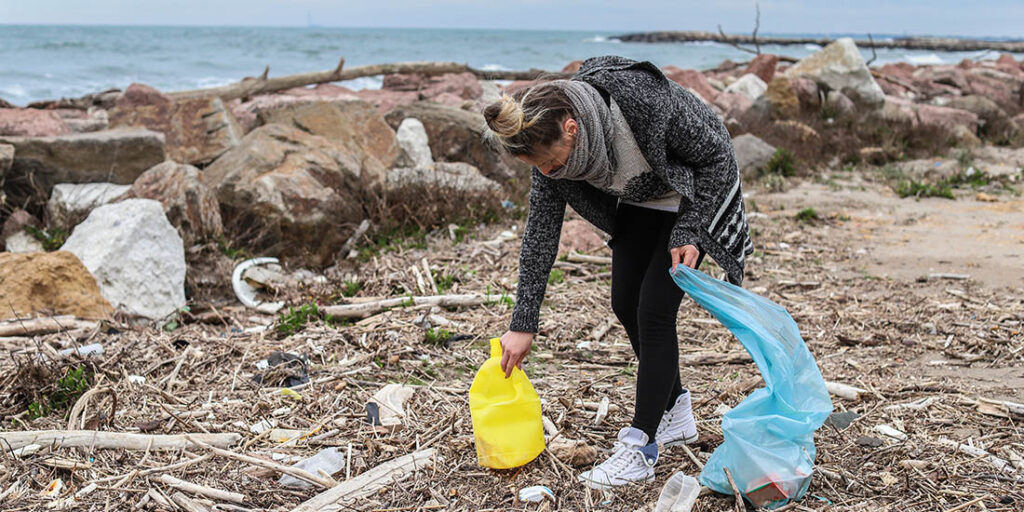
Repeated clean-up activities cannot prevent ongoing contaminant release.
Therefore, monitoring strategies must complement waste reduction initiatives.
Global biodiversity targets emphasize plastic pollution mitigation before 2030.
How Ecotox Environmental Services Can Help
Ecotox Environmental Services designs environmental monitoring programs for emerging contaminants.
Specialists conduct water, sediment, and biological sampling to quantify exposure pathways.
Fate and transport modelling supports prediction of contaminant dispersion patterns.
Ecological risk assessments evaluate potential impacts on ecosystems and human populations.
Environmental impact assessments guide mitigation and management strategies.