


Wetlands, Development, and Flood Risk: Why Assessment Matters
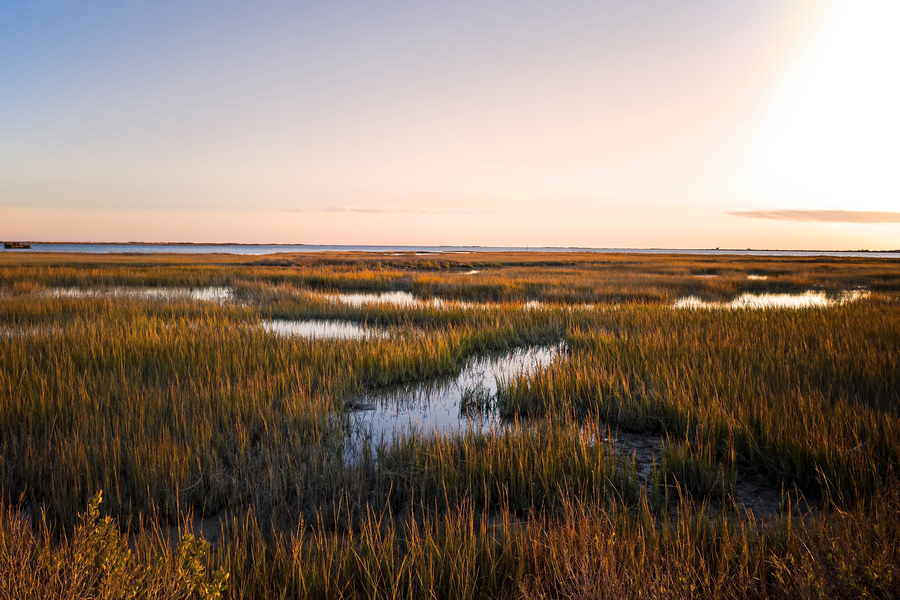
Wetlands are often misunderstood as unused or underutilized land. In reality, they are among the most valuable environmental systems in the world. They store water, reduce flood impacts, filter pollutants, support biodiversity, protect coastlines, and help maintain the health of surrounding ecosystems.
As land development pressures increase, the question is not only whether wetlands should be protected. The deeper question is how development decisions can be made responsibly while recognizing the real environmental value wetlands provide.
A recent MIT News article highlighted research on how wetlands conservation and economic development can be balanced more effectively. The study examined how tradeable wetland offsets and locally adjusted taxes could help account for flood risk when wetlands are developed. The research reinforces an important environmental planning lesson: wetlands provide services that must be measured, valued, and incorporated into land use decisions.
For Caribbean territories, this issue is highly relevant. Wetlands, mangroves, floodplains, drainage corridors, coastal marshes, and low-lying lands often sit close to communities, roads, industrial zones, agriculture, and tourism infrastructure. When these systems are disturbed or removed, the environmental consequences may appear later as flooding, poor drainage, erosion, water quality decline, habitat loss, or increased compliance risk.
Why Wetlands Matter
Wetlands perform several environmental functions at the same time. They slow moving water, absorb excess rainfall, trap sediment, support plant and animal communities, and help improve water quality by filtering nutrients and contaminants.
In coastal and island environments, wetlands can also help reduce storm surge impacts and protect downstream or nearshore ecosystems. Mangroves and marshes can act as natural buffers between land-based activity and marine environments.
When wetlands are removed, filled, drained, or fragmented, those functions may be weakened. The lost wetland area may not only affect wildlife habitat. It may also increase flood exposure, reduce water quality protection, and shift environmental risk to nearby communities or downstream areas.
Development Decisions Need Environmental Evidence
Land development can bring economic value. Housing, infrastructure, commercial sites, industrial activity, agriculture, and tourism projects all require space. But development decisions should be informed by environmental evidence, especially where wetlands or sensitive drainage systems are involved.
Environmental assessment helps identify:
- Whether wetlands or sensitive habitats are present
- How surface water moves through the site
- Whether flooding or ponding is likely
- How development may affect downstream water quality
- Whether sediment movement could increase
- Whether nearby ecosystems may be affected
- Whether mitigation or monitoring measures are needed
- Whether the project may create long-term compliance obligations
Without this information, development may proceed without fully understanding the environmental cost.
The Hidden Cost of Wetland Loss
One of the most important lessons from wetland research is that environmental impacts are not always limited to the development site. Wetlands may provide flood protection or water quality benefits to a wider area. Removing them can create costs that are paid by others later.
For example, if a wetland is filled to support construction, the immediate project may gain usable land. But if the wetland previously stored stormwater, the surrounding area may experience greater runoff or flood pressure. If it filtered sediment or pollutants, downstream waterways may become more vulnerable.
This is why environmental impact assessment and ecological risk assessment are important. They help move decision-making beyond the project boundary and consider the broader environmental system.
Why Offsets Alone May Not Be Enough
Some development systems allow wetland impacts to be offset by restoring or protecting wetland areas elsewhere. This can be useful, but it must be handled carefully.
A restored wetland in another location may replace habitat value, but it may not provide the same flood protection or water quality function for the original community. A wetland created far from the development site may not reduce local flood risk if the original wetland was protecting homes, roads, or infrastructure nearby.
This is why site-specific assessment matters. Wetlands should not be evaluated only by area. They should also be evaluated by function, location, hydrology, ecological value, and the risks created if those functions are lost.
Caribbean Relevance
The Caribbean context makes wetland assessment especially important. Many islands and coastal territories face intense land pressure, climate-driven rainfall variability, sea level rise, stronger storm events, and vulnerable drainage infrastructure.
In this environment, wetlands and mangroves are not optional landscape features. They are part of the natural infrastructure that helps manage water, protect ecosystems, and reduce disaster risk.
Environmental planning in the Caribbean should therefore consider wetlands as part of broader resilience planning. Before wetland-adjacent development proceeds, project teams should understand the site’s hydrology, water quality, sediment conditions, ecological value, flood exposure, and downstream connections.
How Environmental Monitoring Supports Better Decisions
Environmental monitoring provides the data needed to make stronger decisions before, during, and after development.
Monitoring may include:
- Surface water sampling
- Stormwater and drainage assessment
- Soil and sediment sampling
- Marine and riverine water quality testing
- Groundwater evaluation
- Habitat and ecological surveys
- Baseline environmental monitoring
- Compliance monitoring
- Post-development impact tracking
This data helps regulators, developers, consultants, and communities understand what is changing and whether mitigation measures are working.
For example, baseline monitoring can show pre-development conditions. Construction-phase monitoring can detect sediment runoff or water quality impacts. Post-development monitoring can evaluate whether drainage systems, mitigation measures, or restoration efforts are performing as expected.
From Compliance to Resilience
Wetland environmental assessment should not be treated only as a permitting requirement. It should be part of responsible development and climate resilience planning.
Projects that understand environmental conditions early can reduce delays, improve design, lower compliance risk, and avoid costly problems later. They can also demonstrate stronger environmental stewardship.
For Ecotox Environmental Services, wetlands highlight the importance of integrated environmental science. Water quality testing, sediment sampling, ecological assessment, environmental impact assessment, and monitoring program design all help convert environmental uncertainty into practical decision-making.
Development and environmental protection do not always have to be treated as opposites. But balancing them responsibly requires data, interpretation, and a clear understanding of environmental risk.
Internal link: Ecotox Environmental Services environmental monitoring and assessment capabilities
https://ecotoxes.ani.quest/services/
Outbound citation: MIT News — A plan to preserve wetlands without stopping development
https://news.mit.edu/2026/preserving-wetlands-without-stopping-development-0602