


Waste Rubber Carbon Capture and Environmental Testing
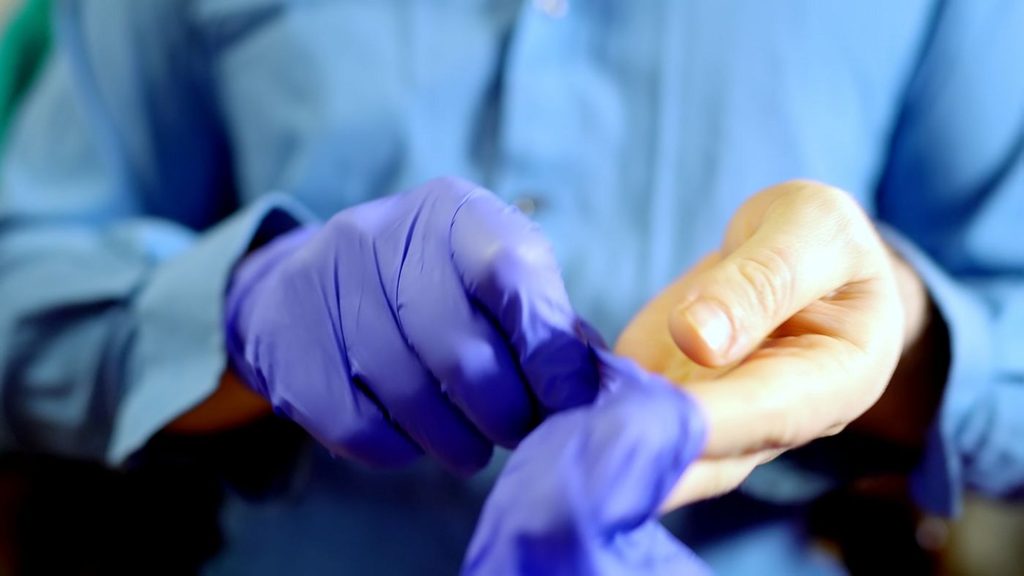
Waste is usually treated as the end of a product’s life. A material is used, discarded, and then sent to landfill, incineration, or another disposal pathway. But new research is showing that some waste materials may have a second life as part of climate technology.
A recent Aarhus University article highlighted laboratory research where waste nitrile rubber gloves were transformed into a material capable of capturing carbon dioxide. The research is still at an early proof-of-concept stage, but it points to an important environmental idea: waste materials can sometimes become resources for climate solutions when chemistry, testing, and environmental science are applied carefully.
This is especially relevant in a world facing two connected challenges at the same time: growing waste generation and the need to reduce greenhouse gas emissions. If waste materials can be converted into useful environmental technologies, they may help reduce disposal pressure while supporting decarbonization.
However, circular climate technology still needs strong environmental testing. A material being reused for a climate purpose must still be assessed for safety, performance, chemical stability, waste risk, and environmental impact.
Why Rubber Glove Waste Matters
Nitrile rubber gloves are widely used in healthcare, laboratories, food handling, industrial work, cleaning, and other settings. Many are designed for single use because of hygiene, contamination, or safety requirements. This creates a large waste stream that is difficult to recycle using traditional methods.
Unlike some plastic bottles or packaging materials, rubber gloves are not easily recovered into the same product again. Many end up being incinerated or landfilled. Incineration can release carbon dioxide and other emissions, while landfill disposal contributes to long-term waste accumulation.
The Aarhus University research suggests a different possibility: instead of treating rubber glove waste only as a disposal problem, it may be possible to chemically transform it into a useful carbon capture material.
That does not mean the problem is solved. It means the waste stream deserves more scientific attention.
From Waste Material to Functional Material
The core idea behind the research is to convert a difficult waste material into something with environmental value. In this case, the waste rubber is processed and modified so it can adsorb carbon dioxide from simulated flue gas.
This is an example of circular thinking. Instead of extracting new raw materials to make every new environmental technology, researchers are exploring whether existing waste streams can be repurposed.
This matters because some climate technologies can create their own material demand. If carbon capture materials require large amounts of new oil-based inputs, mining, chemicals, energy, or manufacturing, then part of the climate benefit may be reduced. Using waste as a feedstock may improve the overall environmental case — but only if the process is safe, scalable, and well managed.
Environmental Testing Is Essential
When a waste material is transformed into a new product or climate technology, environmental testing becomes essential.
Important questions include:
- What chemicals are present in the original waste material?
- Does the transformation process create hazardous by-products?
- Is the new material chemically stable?
- Can contaminants leach out under environmental conditions?
- What happens when the material is heated, regenerated, reused, or disposed of?
- How should residues, spent materials, or catalysts be managed?
- What air, water, soil, or waste impacts could occur during scale-up?
- Is the process truly reducing environmental impact across its lifecycle?
These questions cannot be answered by assumptions. They require sampling, laboratory testing, waste characterization, toxicity evaluation, and scientific interpretation.
Why Waste Characterization Matters
Waste characterization helps determine what a material contains and how it should be managed. For rubber gloves, this could include polymers, additives, residues, contaminants, degradation products, or chemical treatment by-products.
If a waste material is being reused, characterization helps determine whether it is suitable for that new use. If the material is being disposed of after use, characterization helps determine whether it requires special handling.
For industrial operators, waste characterization supports better compliance, safer disposal, stronger sustainability reporting, and reduced environmental liability.
For emerging climate technologies, it also supports credibility. A technology cannot be called environmentally beneficial if its waste risks are poorly understood.
Carbon Capture Still Has Environmental Questions
Carbon capture is an important part of global climate discussions, but it is not a single solution. Different carbon capture systems use different materials, energy inputs, chemicals, storage pathways, and operating conditions.
A carbon capture material must be evaluated not only by how much CO₂ it can capture, but also by:
- How it is produced
- What feedstocks are used
- How much energy is required
- Whether it can be regenerated and reused
- What emissions or waste streams are created
- Whether it contains regulated or hazardous substances
- How the captured CO₂ is transported, stored, or reused
- What happens at the end of the material’s life
This is why environmental testing and monitoring remain important even for technologies designed to reduce emissions.
Caribbean Relevance
For Caribbean territories, the connection between waste and climate technology is highly relevant. Many islands and coastal economies face landfill limitations, high waste management costs, import dependence, climate vulnerability, and pressure to modernize environmental infrastructure.
Although the Aarhus University study focuses on laboratory research in Europe, the wider lesson applies globally: waste streams should be assessed not only as disposal burdens, but also as potential inputs for circular systems.
In the Caribbean, future opportunities may include better waste classification, industrial waste testing, material recovery, landfill impact monitoring, and evaluation of emerging environmental technologies.
At the same time, any circular economy solution must be grounded in environmental evidence. A reuse pathway should not simply move a waste problem from one place to another. It should reduce risk, improve resource efficiency, and meet compliance requirements.
From Innovation to Responsible Scale-Up
Many environmental technologies begin with promising laboratory results. But moving from lab scale to real-world use requires more than technical performance. It requires environmental assessment.
Before a waste-derived carbon capture material could be used at industrial scale, stakeholders would need to understand process emissions, chemical inputs, occupational risks, wastewater, residues, air emissions, waste handling, and disposal requirements.
This is especially important when catalysts, hydrogen, thermal regeneration, flue gas, or industrial sites are involved. Each of these introduces operational and environmental considerations that must be monitored.
Responsible scale-up depends on reliable testing.
Why Ecotox’s Role Matters
The Aarhus University research highlights the kind of environmental innovation that may become more common: turning waste into useful materials for climate and industrial applications.
But innovation must be supported by testing, compliance, and scientific interpretation.
Ecotox Environmental Services supports this type of work through environmental analytical testing, sampling, toxicity testing, waste characterization, chemical analysis, and environmental monitoring. These services help businesses, regulators, and project teams understand whether materials, waste streams, and industrial processes are being managed responsibly.
As circular economy and climate technologies develop, environmental data will become even more important. The future of waste management will not only depend on new ideas. It will depend on evidence showing that those ideas are safe, practical, compliant, and genuinely beneficial.
Waste may become a resource. But it still needs to be tested.
Internal link: Environmental Analytical Testing Services
https://ecotoxes.ani.quest/services/environmental_analytical_testing/
Outbound citation: Aarhus University — From Trash to Climate Tech: Rubber Gloves Find New Life as Carbon Capturers Materials
https://chem.au.dk/en/the-department/news-and-events/single/artikel/fra-skrald-til-klimateknologi-gummihandsker-faar-nyt-liv-som-co2-fanger-1