


Textile Waste and Environmental Monitoring: Why Production Waste Matters
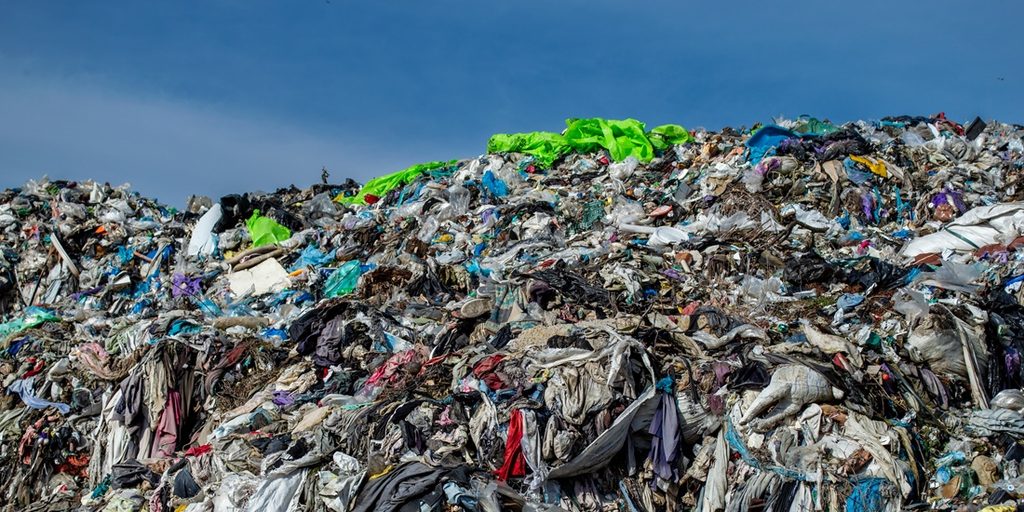
When people think about textile waste, they usually think about clothes that are thrown away after use. Old shirts, fast fashion, discarded uniforms, and unsold garments are visible signs of the problem. But textile waste begins much earlier in the supply chain.
A recent Norwegian SciTech News article highlighted research showing that a large share of textile material can be lost before a finished garment even reaches the store. The study examined the fibre journey of a cotton T-shirt and found that major material losses can occur during production, before the consumer ever buys the product.
This finding is important because it shifts the environmental conversation upstream. Waste is not only a consumer problem. It is also a production, manufacturing, resource efficiency, and environmental compliance issue.
For environmental management, this matters. Every stage of industrial production can generate environmental impacts through water use, wastewater, chemicals, dyes, sludge, air emissions, solid waste, and contaminated by-products. If these impacts are not monitored, they can become larger risks for regulators, businesses, workers, communities, and ecosystems.
Why Textile Waste Is an Environmental Issue
Textiles are resource-intensive products. They can require land, water, energy, chemicals, transport, packaging, and waste management. Cotton production may involve agricultural land and water consumption. Synthetic fibres are often derived from petrochemical sources. Textile dyeing and finishing can involve complex chemical inputs. Manufacturing can generate offcuts, wastewater, sludge, and other waste streams.
This means textile waste is not limited to the item of clothing itself. The environmental footprint includes what happens before, during, and after production.
When material is lost during manufacturing, the environmental cost of growing, processing, transporting, and treating that material may already have been incurred. If that waste is then landfilled, burned, poorly managed, or discharged into the environment, the impact increases further.
Production Waste Needs Stronger Oversight
The Norwegian SciTech News article reinforces an important point: focusing only on post-consumer recycling is not enough. If major losses occur during production, then waste reduction must also happen earlier in the value chain.
For industrial and manufacturing operations, this means environmental monitoring should include production-side waste streams, not only final disposal.
Monitoring may involve:
- Wastewater sampling
- Effluent quality testing
- Sludge and solid waste characterization
- Chemical residue testing
- Toxicity screening
- Soil and sediment assessment near disposal or discharge areas
- Air and odour monitoring where relevant
- Compliance testing for regulated discharges
- Review of waste storage and handling practices
These activities help determine whether waste is being properly managed and whether production processes are creating avoidable environmental risks.
Water, Chemicals, and Wastewater Risk
Textile manufacturing can place pressure on water systems. Washing, dyeing, bleaching, finishing, and rinsing processes may generate wastewater that contains suspended solids, colour, salts, surfactants, organic matter, metals, or other chemical residues.
If wastewater is not properly treated, it can affect rivers, drains, groundwater, coastal waters, and downstream ecosystems. Even when treatment systems are in place, testing is needed to confirm performance.
This is where environmental analytical testing becomes essential. Parameters such as pH, turbidity, total suspended solids, chemical oxygen demand, biological oxygen demand, nutrients, heavy metals, oil and grease, phenols, volatile organics, and other contaminants may help identify whether wastewater or waste materials are suitable for discharge, reuse, treatment, or disposal.
For businesses, this is not only about environmental responsibility. It is also about compliance, operational risk, reputation, and long-term cost control.
Waste Characterization Supports Better Decisions
Not all industrial waste is the same. Some materials may be recyclable. Some may be suitable for reuse. Others may require special handling, treatment, or disposal. Without testing, it is difficult to classify waste correctly.
Waste characterization helps businesses understand what they are generating and how it should be managed. This can support:
- Safer disposal decisions
- Better recycling and reuse planning
- Reduced environmental liability
- Improved compliance reporting
- Stronger sustainability claims
- Lower risk of contamination
- More efficient production processes
In the textile sector, this could include fibre waste, dye residues, wastewater sludge, contaminated packaging, chemical containers, and process by-products.
The broader lesson applies to many industries. Waste should not be treated as a generic output. It should be measured, tested, classified, and managed based on evidence.
Caribbean Relevance
For Caribbean economies, textile production may not always be the dominant industrial sector, but the issue connects directly to regional waste and environmental management. Imported clothing, commercial laundry operations, garment retail, uniforms, hospitality textiles, industrial rags, used clothing streams, and landfill pressure all contribute to the wider textile waste challenge.
At the same time, the Caribbean faces limited landfill space, sensitive coastal ecosystems, stormwater pathways, tourism-dependent environments, and growing pressure to improve sustainability practices.
This makes waste monitoring and environmental testing increasingly important. Whether the issue is textile waste, industrial waste, wastewater, sludge, chemicals, or landfill impacts, environmental decisions need defensible data.
From Sustainability Claims to Measurable Action
Many companies now speak about sustainability, circularity, recycling, and waste reduction. These goals are important, but they must be supported by measurable action.
Environmental testing helps convert sustainability claims into evidence. It shows whether waste streams are being reduced, whether wastewater is meeting standards, whether materials are suitable for reuse, and whether disposal practices are environmentally responsible.
For businesses, this creates a stronger foundation for compliance and corporate responsibility. For regulators, it supports better oversight. For communities, it helps reduce environmental risk.
Why Ecotox’s Role Matters
The textile waste issue is part of a larger environmental truth: waste problems often begin long before the final product reaches the consumer. Production systems, industrial processes, and supply chains can create hidden environmental impacts that require monitoring and interpretation.
Ecotox Environmental Services supports this type of responsible environmental management through analytical testing, sampling, monitoring, and waste characterization. These services help businesses understand their environmental footprint, meet compliance requirements, and make better decisions about waste, water, soil, sediment, and chemical risks.
As industries move toward more sustainable production, environmental data will become even more important. Reducing waste is not only about collecting discarded products. It is about improving the entire system that creates them.
Internal link: Environmental Analytical Testing Services
https://ecotoxes.ani.quest/services/environmental_analytical_testing/
Outbound citation: Norwegian SciTech News — Nearly half of every T-shirt goes to waste before you even buy it
https://norwegianscitechnews.com/2026/05/nearly-half-of-every-t-shirt-goes-to-waste-before-you-even-buy-it