


Changing Rivers, Rising Risk: Why Waterway Monitoring Matters in a Changing Climate
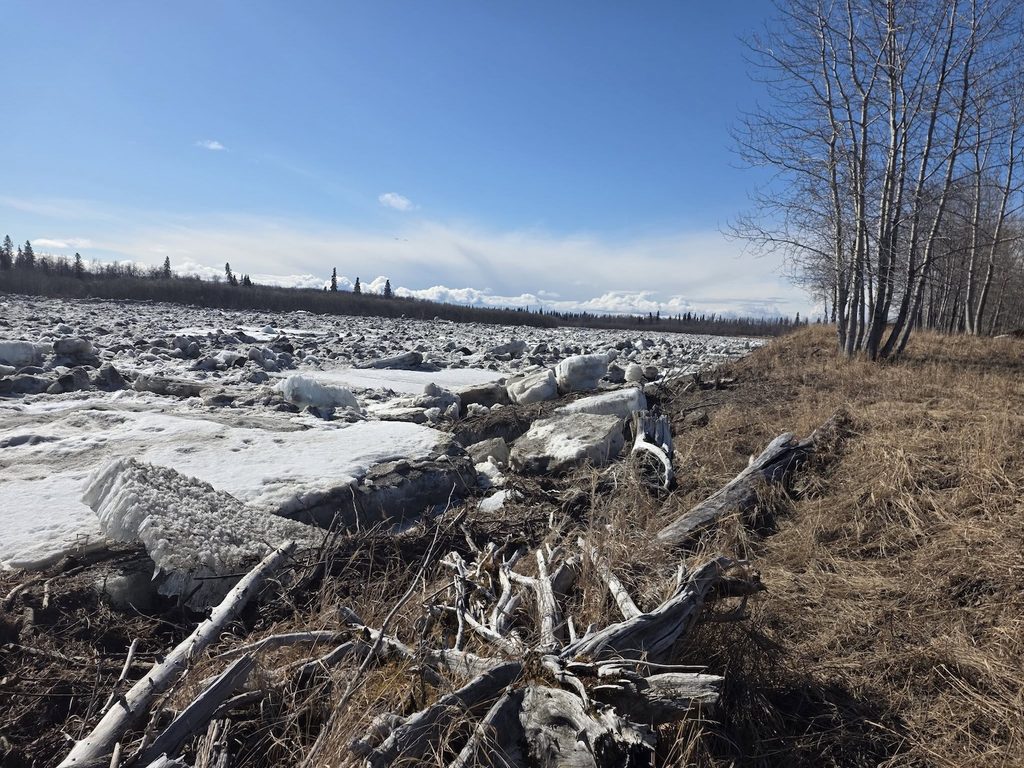
Rivers are not static systems. They shift, flood, erode, carry sediment, support ecosystems, supply communities, and respond quickly to changes in rainfall, tides, storms, land use, and climate conditions. As climate patterns continue to change, river systems are becoming more difficult to predict and more important to monitor.
A recent University of Alaska Fairbanks report highlighted how researchers are studying rapid changes along the Kuskokwim River in Alaska. The research team is using monitoring stations to collect data on water levels, salinity, temperature, currents, and riverbank erosion. Although the study focuses on Alaska, the wider environmental lesson is relevant far beyond one region: changing waterways require consistent monitoring, reliable data, and scientific interpretation.
For Caribbean territories, this message is especially important. Rivers, drains, wetlands, coastal outflows, and nearshore environments are closely connected. When rainfall patterns shift, storm intensity increases, or coastal water pushes farther inland, the effects can be seen in flooding, erosion, water quality changes, sediment movement, and increased pressure on infrastructure.
Why Changing Rivers Create Environmental Risk
River systems respond to multiple pressures at once. Heavy rainfall can increase flow speed and flood risk. Coastal storm surge can push water inland. Sediment can be transported downstream and deposited in new areas. Pollutants can move more rapidly through waterways. Saltwater intrusion can affect freshwater systems, vegetation, soil, and drinking water sources.
These changes are not always visible immediately. A river may appear normal on the surface while water chemistry, salinity, turbidity, sediment load, or erosion rates are changing. Without monitoring, environmental risk can build quietly until it becomes a costly problem.
This is why waterway monitoring should not be treated as a one-time activity. Rivers and drainage systems need repeated observation over time. Baseline data helps establish what normal conditions look like. Ongoing data helps identify when conditions begin to shift.
The Value of Environmental Monitoring Data
Effective environmental monitoring helps answer critical questions:
- Is the water quality changing?
- Are contaminants moving through the system?
- Is erosion increasing along vulnerable banks?
- Are storm events affecting salinity or sediment levels?
- Are nearby developments influencing runoff or flow?
- Are ecosystems being placed under additional stress?
For regulators, developers, industrial operators, communities, and environmental managers, these questions matter. Good monitoring data supports better planning, better compliance, and better decision-making.
When environmental data is collected consistently, it becomes more than a technical record. It becomes an early warning system.
Why Caribbean Waterways Need Stronger Monitoring
Caribbean environments are highly connected. A change in one part of a watershed can influence rivers, drains, mangroves, wetlands, beaches, seagrass beds, and coastal water quality. Poorly managed runoff can affect downstream ecosystems. Sediment disturbance can increase turbidity. Flooding can mobilize contaminants. Coastal influence can alter freshwater conditions.
This makes scientific monitoring especially valuable in the Caribbean context.
Environmental monitoring can support:
- Water quality assessments
- Surface water and drainage evaluations
- Soil and sediment sampling
- Ecological risk assessment
- Environmental impact assessment
- Flood and erosion risk observation
- Environmental compliance reporting
- Long-term environmental management planning
For businesses and project developers, monitoring also helps reduce uncertainty. It provides evidence that can support permitting, compliance, operational decisions, and responsible environmental stewardship.
From Data Collection to Scientific Interpretation
Collecting data is only the first step. The real value comes from interpretation.
Water level, salinity, temperature, turbidity, sediment, and contaminant results must be reviewed in context. A single reading may not tell the full story. Trends over time are often more important than isolated results. Seasonal patterns, storm events, land use changes, and nearby activities must all be considered.
This is where environmental expertise becomes essential. Scientific interpretation helps convert field measurements into practical insight. It allows stakeholders to understand what is changing, why it may be changing, and what actions may be needed.
Building Resilience Through Monitoring
As climate conditions continue to evolve, environmental monitoring will become increasingly important for resilience planning. Communities, businesses, and regulators will need stronger evidence to understand how waterways are changing and how those changes affect infrastructure, ecosystems, and public safety.
The lesson from changing river systems is clear: environmental risks are easier to manage when they are measured early, tracked consistently, and interpreted scientifically.
For Ecotox Environmental Services, this reinforces the importance of reliable environmental monitoring, water quality testing, sediment assessment, ecological evaluation, and compliance support. In a changing climate, environmental data is not only useful — it is essential.
Internal link: Environmental Monitoring / Sampling Services
https://ecotoxes.ani.quest/services/
Outbound citation: University of Alaska Fairbanks — Research team seeks answers from a changing river
https://www.uaf.edu/news/research-team-seeks-answers-from-a-changing-river.php