


Food Waste Carbon Capture and Environmental Testing
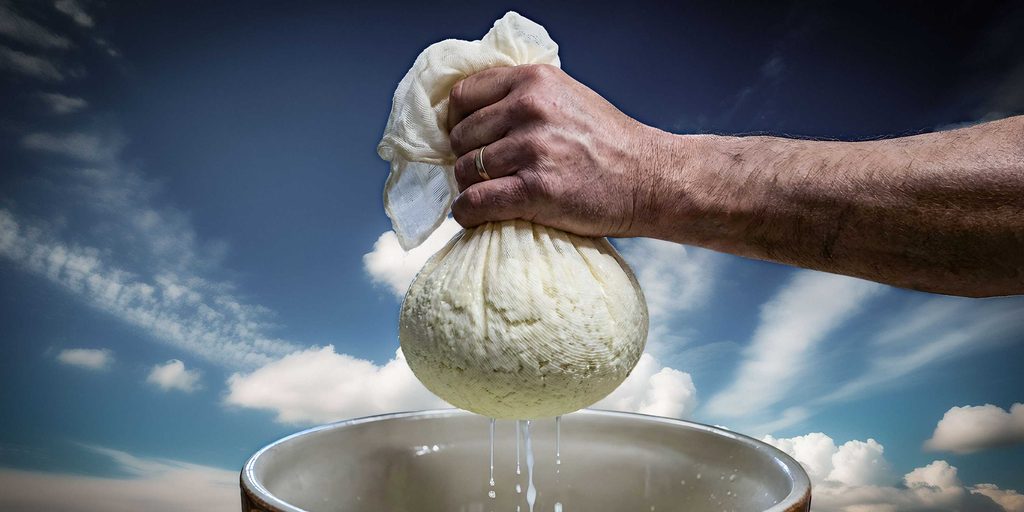
Food waste is usually treated as an environmental burden. It can create disposal pressure, generate methane when poorly managed, increase landfill demand, and represent a loss of resources already used in agriculture, processing, transport, and storage. But emerging research is showing that some food waste streams may also become inputs for climate technology.
A recent ETH Zurich article highlighted a new direct air capture method that uses waste products from cheese and tofu production. Researchers processed protein-rich food waste into porous beads that can bind carbon dioxide from the air and release it again using relatively low energy. The work points to a promising circular economy idea: waste materials may be transformed into useful environmental technologies.
This is important because climate action and waste management are often treated as separate challenges. In reality, they are deeply connected. The way societies manage waste can influence greenhouse gas emissions, land use, water quality, energy demand, and long-term environmental risk.
However, turning waste into climate technology still requires strong environmental testing. A material may be innovative, circular, or low-carbon in concept, but it must still be evaluated for safety, performance, chemical stability, scalability, and environmental impact.
Why Food Waste Matters
Food waste is one of the most visible forms of resource inefficiency. When food or food-processing by-products are discarded, the environmental footprint of producing that material has already occurred. Water, energy, fertilizer, land, labour, packaging, and transport may all have been used before the waste is generated.
In food-processing industries, waste streams may include whey, plant residues, organic liquids, sludge, fats, oils, wastewater, packaging, and other by-products. Some of these materials can be reused, recovered, composted, converted to energy, or processed into new products. Others require careful treatment or disposal.
The ETH Zurich research is an example of how waste streams can be reconsidered as feedstocks. Instead of viewing cheese and tofu processing by-products only as disposal challenges, the researchers explored whether protein-rich waste could be transformed into materials that capture carbon dioxide.
That type of thinking supports a more circular economy.
From Waste Stream to Climate Material
The ETH Zurich approach uses food-industry waste to produce protein-based beads that act like a sponge for CO₂. The concept is significant because direct air capture has traditionally been energy-intensive and expensive. If waste-derived materials can reduce energy demand and improve lifecycle performance, they may help make carbon removal more practical.
But the environmental value of any technology depends on the full system, not only the laboratory result.
A circular climate material should be assessed by asking:
- What waste stream is being used?
- How consistent is the waste material?
- What chemicals or additives are required?
- What energy input is needed?
- Are any wastewater or residue streams created?
- Can the material be reused safely?
- What happens at the end of its life?
- Does the process reduce environmental impact across the full lifecycle?
These questions show why environmental testing and scientific interpretation remain essential.
Circular Economy Requires Evidence
Circular economy solutions are often described as sustainable because they reuse materials and reduce waste. But circularity alone is not proof of environmental safety.
A waste-derived material may still contain contaminants. A processing method may generate by-products. A reused material may degrade over time. A climate technology may require chemicals, water, energy, storage, or disposal pathways. Without testing, these risks may be overlooked.
Environmental testing helps determine whether a circular solution is truly responsible.
Testing may include:
- Waste characterization
- Chemical analysis
- Toxicity testing
- Leaching assessment
- Wastewater testing
- Soil and sediment analysis
- Process residue evaluation
- Product safety testing
- Environmental impact monitoring
- Compliance reporting
This evidence helps businesses, regulators, and project teams make decisions based on data rather than assumptions.
Why Food Processing Waste Needs Monitoring
Food-processing operations can generate multiple environmental concerns. Organic waste can increase biological oxygen demand if discharged into water systems. Nutrient-rich wastewater can contribute to eutrophication. Sludge or by-products may require special handling. Poor storage can create odour, leachate, pest, or runoff issues. In some cases, cleaning chemicals, salts, oils, or additives may also be present.
When food waste is repurposed into new materials, monitoring becomes even more important. The original waste stream must be understood before it can be safely reused.
For example, a material derived from food-processing waste may need to be tested for:
- pH
- moisture content
- organic load
- nutrients
- metals
- chemical residues
- microbial risk
- leaching potential
- degradation behaviour
- disposal classification
This kind of testing supports better waste management and helps determine whether reuse is practical, safe, and compliant.
Carbon Capture Still Needs Environmental Oversight
Direct air capture is increasingly discussed as part of climate strategy because it removes CO₂ directly from the atmosphere. But carbon capture systems still have environmental footprints.
They may require materials, energy, chemicals, land, water, infrastructure, transport, storage, and monitoring. Captured CO₂ must also be stored or used in ways that deliver real climate benefit.
For this reason, carbon capture should not be evaluated only by how much CO₂ it can absorb. It should also be evaluated by lifecycle impact, resource use, waste generation, chemical safety, operational risk, and end-of-life management.
Waste-derived carbon capture materials are promising because they may reduce reliance on newly manufactured synthetic materials. But they still need testing and validation before large-scale deployment.
Caribbean Relevance
For Caribbean territories, the connection between food waste, climate resilience, and circular economy development is highly relevant. Many islands face landfill pressure, high waste management costs, food import dependence, limited disposal options, sensitive coastal ecosystems, and growing climate vulnerability.
Food-processing waste, agricultural residues, hospitality waste, organic market waste, and industrial by-products all represent potential environmental challenges. They may also represent future opportunities if properly characterized, tested, and managed.
Circular economy solutions could help reduce waste pressure and support more sustainable industries. But they must be built on environmental evidence.
For the Caribbean, responsible circular economy planning should consider:
- Waste stream quality
- Local disposal limitations
- Water and wastewater impacts
- Odour and leachate control
- Soil and groundwater protection
- Marine and coastal sensitivity
- Compliance requirements
- Climate resilience benefits
- Long-term environmental performance
This is where environmental monitoring and analytical testing become central.
From Innovation to Responsible Implementation
New research can open the door to better environmental solutions, but implementation requires careful assessment. A promising laboratory material must still be evaluated under real-world conditions.
Before a food-waste-derived carbon capture material could be used at scale, project teams would need to understand feedstock availability, processing requirements, environmental impacts, waste residues, worker safety, reuse cycles, disposal needs, and lifecycle performance.
Testing helps answer these questions. It also helps separate genuine sustainability from unsupported environmental claims.
Why Ecotox’s Role Matters
The ETH Zurich research reinforces a broader environmental message: waste streams should be measured, characterized, and evaluated before they are reused, discharged, treated, or disposed of.
Ecotox Environmental Services supports this type of responsible decision-making through environmental analytical testing, waste characterization, toxicity testing, water and wastewater analysis, soil and sediment testing, chemical analysis, and environmental monitoring.
As circular economy and climate technologies continue to develop, environmental data will become more important. The future of sustainability will not depend only on new materials or new processes. It will depend on evidence showing that those solutions are safe, compliant, measurable, and truly beneficial.
Food waste may become part of climate technology. But before waste becomes a solution, it must be understood.
Internal link: Environmental Analytical Testing Services
https://ecotoxes.ani.quest/services/environmental_analytical_testing/
Outbound citation: ETH Zurich — Turning food waste into carbon captors
https://ethz.ch/en/news-and-events/eth-news/news/2026/06/turning-food-waste-into-carbon-captors.html