


Wildfires Reshape Forest Soils for Decades, Göttingen Research Reveals
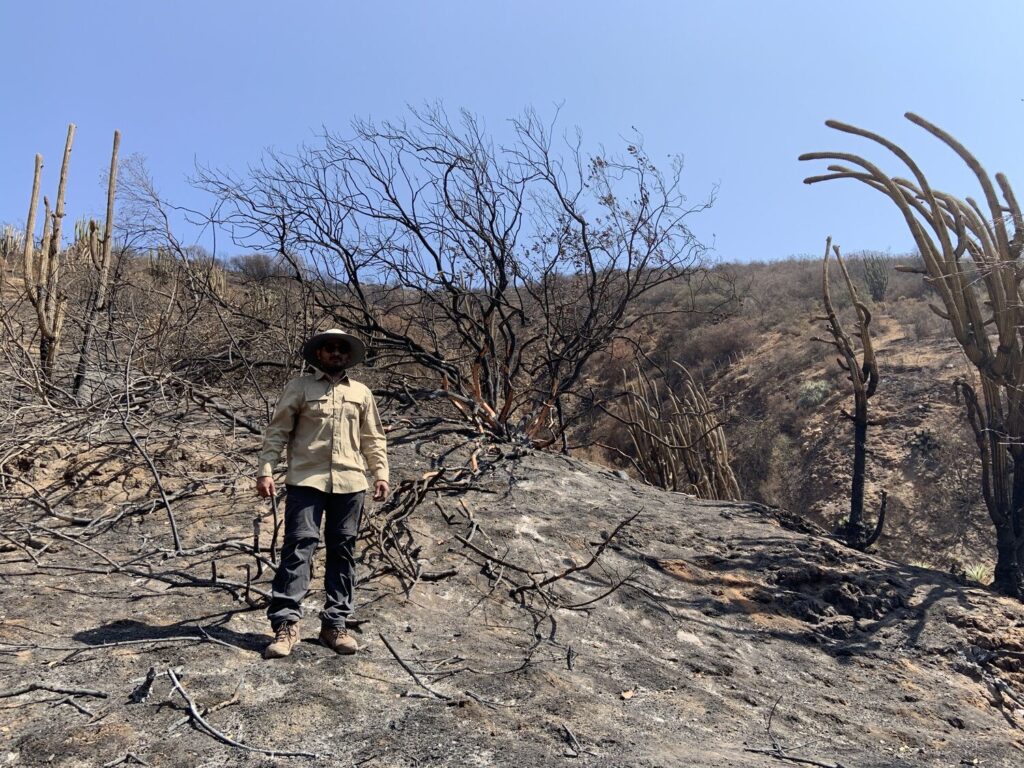
An international research team led by the University of Göttingen has found that wildfires don’t just burn vegetation — they fundamentally alter soil structure, chemistry, and nutrient cycles in forest ecosystems for more than a decade after the flames have gone. This long-term imprint on soil influences recovery, carbon storage, water regulation, and ecosystem resilience far into the future.
Study Overview
Researchers compared soil properties in forests of central Chile that had burned at different times (from very recent fires to areas last burned up to 14 years earlier). By taking soil cores from the top 10 cm and analyzing physical and chemical characteristics, they were able to reconstruct how fire effects persist over time.
Key Findings
- Soil structure changes: Wildfires increase soil compaction and bulk density, making it harder for water to infiltrate and roots to grow.
- Nutrient cycles disrupted: Ash from fires temporarily raises soil pH and redistributes nutrients such as calcium, magnesium, and potassium.
- Variable recovery rates: In humid temperate forests with deep-rooted trees and greater rainfall, organic matter and soil chemistry begin to rebound more quickly. In contrast, Mediterranean woodlands showed prolonged nitrogen and carbon depletion — even 14 years after fire.
- Ecosystem resilience: These lasting soil changes can influence how well forests recover — affecting plant regrowth, habitat structure, and susceptibility to future stressors.
Why This Matters
Understanding soil responses to wildfire is crucial as climate change drives more frequent and severe fires worldwide. Soils underpin forest productivity, water retention, and carbon storage — all key elements of ecosystem health and regional sustainability. Without deeper insight into how soils evolve after fire disturbances, land managers risk applying uniform restoration strategies that may not fit the specific recovery trajectory of each ecosystem.
How Ecotox Environmental Services Can Help
Ecotox offers services that support long-term fire impact assessment and ecosystem recovery planning, exactly the needs highlighted by this research:
- Post-Disturbance Soil & Water Monitoring
- Collect and analyze soil, water, and vegetation samples across fire-affected landscapes to track structural and chemical changes over time.
- Fate & Transport Modeling of Fire Effects
- Simulate how nutrient dynamics, soil compaction, and erosion processes evolve post-fire and affect water quality and ecosystem functions.
- Ecological Risk Assessment
- Assess risks to soil health, vegetation recovery, carbon sequestration, and watershed stability under varying fire severity and climatic conditions.
- Restoration & Adaptive Management Planning
- Provide science-based guidance on tailored rehabilitation strategies that reflect soil recovery timelines and ecosystem resilience.
These services help land managers, conservation groups, and agencies translate scientific findings into practical long-term ecosystem stewardship.