


Wildfires and Prescribed Burns May Emit 21% More Air Pollution Than Previously Estimated
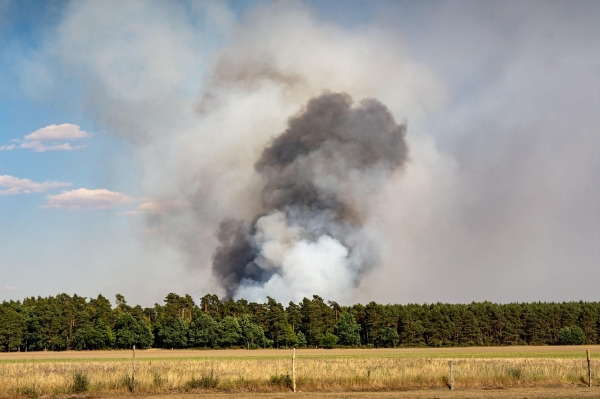
New research published in Environmental Science & Technology (American Chemical Society) shows that wildfires and prescribed burns emit significantly more air-polluting organic compounds than earlier estimates suggested — especially intermediate- and semi-volatile organic compounds that readily form harmful fine particles in the atmosphere.
What the Study Found
Researchers led by Shuxiao Wang and colleagues analyzed global fire emissions from forests, grasslands, and peatlands from 1997–2023, including not only the well-studied volatile organic compounds (VOCs) but also less-accounted intermediate- and semi-volatile organic compounds (IVOCs and SVOCs).
They estimated that wildland fires emit — on average — 143 million tons of airborne organic compounds per year, a figure about 21% higher than previous inventories because it includes IVOCs and SVOCs. These compounds readily transform into fine particulate matter (PM) in the atmosphere, which poses significant health risks when inhaled.
When compared with earlier estimates of human-caused emissions, wildfires and human activities were found to emit similar amounts of IVOCs and SVOCs, although total human emissions remain larger overall. The study also highlighted emission hotspots where fire pollution overlaps with human activity, including Equatorial Asia, Northern Hemisphere Africa, and Southeast Asia.
Why This Matters
- Fine particulates from fire smoke contribute to respiratory and cardiovascular illness, especially when formed from complex organic compounds.
- Wildfire smoke exposure has been linked to increased hospitalizations and mortality, with projections suggesting significant future health burdens if fire activity increases with climate change.
- Accounting for previously overlooked IVOCs and SVOCs improves air quality modeling, health-risk assessment, and policy planning for fire-prone regions.
How Ecotox Environmental Services Can Help
Ecotox’s current services support understanding and managing the air-quality and health risks highlighted by this research:
- Atmospheric Pollutant Sampling & Analysis
- Measure wildfire smoke constituents (VOCs, IVOCs, SVOCs, PM) in ambient air to quantify actual emissions and exposure levels.
- Fate & Transport Modeling
- Simulate how fire emissions disperse, form secondary pollutants, and travel across regions and seasons, integrating into regional air-quality models.
- Exposure & Health Risk Assessment
- Evaluate population exposure and potential health impacts from wildfire smoke in communities, especially vulnerable groups (children, elderly, respiratory disease sufferers).
- Policy & Mitigation Advisory Services
- Guide regulators and planners on wildfire smoke management strategies, emissions reporting improvements, and regional air-quality standards.
By linking advanced measurement, modeling, and risk assessment, Ecotox can help stakeholders prepare for and mitigate the growing air-pollution challenge posed by wildfires and prescribed burns.