


Warming Temperatures Already Fuel Rising Dengue Fever Incidence
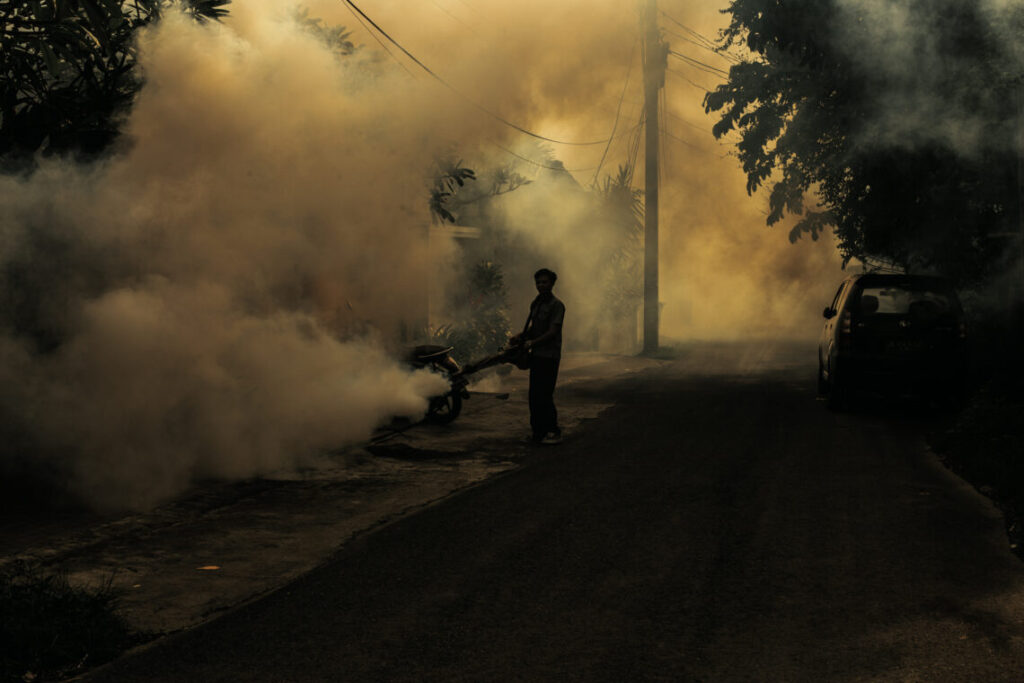
A new study shows that climate warming has already caused more dengue fever cases. Temperatures rising across 21 countries are implicated.
Key Findings
- Dengue incidence rose by about 18% from 1995 to 2014 as climate warmed.
- Over 4.6 million extra infections per year now are linked to warming in those countries.
- Disease transmission peaks at ~27.8 °C; cooler regions warming toward that range face sharper increases. Hot regions above optimal range may see slight declines.
- Projections estimate dengue cases could increase by 49% to 76% by 2050 depending on emissions scenarios.
Implications for Public Health & Planning
- Cooler high-population areas in Central, South America, and Asia may see doubling of dengue disease burden.
- Expanding vector-control, enhanced health systems, and vaccine coverage become more urgent in warming zones.
- Surveillance needs to include emerging regions not historically dengue-endemic; underreporting threatens full understanding.
How Ecotox Environmental Services Can Help
Ecotox can deploy its existing services to support adaptation and mitigation efforts in response to this study:
- Vector & Disease Risk Mapping
- Areas where warming is pushing temperature into optimal dengue‐transmission ranges can be mapped using climate and epidemiological data.
- Environmental Exposure & Transport Modeling
- Model how mosquito populations and risk zones shift under different warming scenarios across regions.
- Impact Assessments & Monitoring
- Assess public health and ecosystem impacts of increased dengue incidence; monitor trends in exposure and disease spread.
- Advisory for Control & Adaptation Measures
- Support design of mosquito control programs, health infrastructure adaptation, and planning of vaccine / treatment readiness.
By aligning Ecotox’s expertise with these needs, communities can prepare for intensified dengue risks driven by climate change.