


AI Data Centres in Trinidad and Tobago: Why Environmental Assessment Must Lead the National Conversation
AI Data Centres in Trinidad and Tobago: Why Environmental Assessment Must Lead the National Conversation
Trinidad and Tobago is considering a potentially transformative expansion into artificial intelligence infrastructure and large-scale data centres.
The discussion follows the signing of Memoranda of Understanding connected to two proposed developments: one involving a 300-megawatt data centre and another involving an initial 150-megawatt AI infrastructure facility that could potentially expand beyond 500 megawatts. These proposals have generated debate about economic diversification, electricity demand, water use, environmental effects and the level of public consultation required before projects of this magnitude proceed.
The debate should not be reduced to a simple choice between supporting technology and protecting the environment.
Data centres can contribute to investment, technical employment, digital services, foreign exchange earnings and new economic capabilities. However, the environmental implications of large facilities must be identified, quantified and managed through transparent scientific assessment.
The central question is therefore not simply whether Trinidad and Tobago should develop data centres.
It is whether the country can develop them with a credible understanding of their energy, water, emissions, waste, land-use and community impacts.
The scale of the proposals matters
Data centres vary significantly in size.
The International Energy Agency indicates that traditional data centres generally use approximately 10 to 25 megawatts of power, while hyperscale AI facilities can exceed 100 megawatts. At the global level, electricity consumption by data centres is projected to roughly double by 2030, reaching approximately 945 to 950 terawatt-hours and accounting for close to three per cent of worldwide electricity demand.
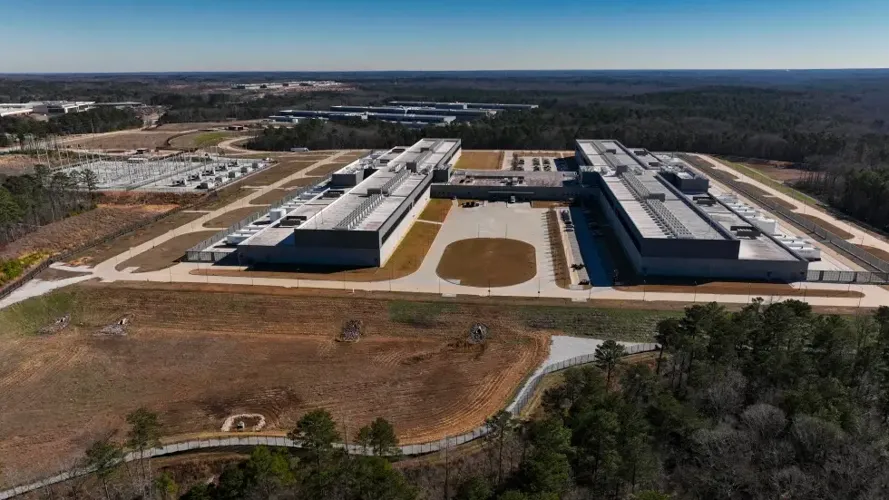
Against that background, facilities with proposed capacities of 150, 300 or potentially more than 500 megawatts should be understood as major industrial infrastructure—not simply large office buildings containing computers.
Their resource requirements could affect national electricity planning, fuel consumption, generation infrastructure, transmission capacity, water systems, land use and surrounding communities.
That does not mean the projects are automatically environmentally unacceptable. It means the evidence required to evaluate them must be proportionate to their scale.
Economic opportunity and environmental responsibility
Supporters of data centre development may point to several potential benefits:
- Economic diversification beyond traditional energy industries
- Construction activity and skilled employment
- Foreign investment and foreign exchange earnings
- Development of regional cloud and AI infrastructure
- Improved national digital capabilities
- Opportunities for technical education and workforce development
Hummingbird AI has argued that Trinidad and Tobago’s industrial experience, strategic location and energy position could support the development of a regional AI infrastructure hub. The company has also stated that its Memorandum of Understanding represents only the beginning of the development process and that construction could not proceed without engineering studies, environmental assessments, utility analysis, regulatory approvals and stakeholder consultation.
These are important acknowledgements.
The next step must be to translate broad commitments into measurable environmental information, clearly defined safeguards and monitoring requirements that can be independently verified.
1. Electricity demand and greenhouse gas emissions
Electricity is likely to be one of the most important considerations.
Data centres operate continuously. Their servers, networking equipment, storage systems and cooling infrastructure require reliable power every hour of the day. AI-optimised facilities can be particularly energy-intensive because of the computing power required to train and operate advanced models.
A credible assessment should therefore identify:
- Expected average and peak electricity demand
- The proposed sources of electricity
- New generation or transmission infrastructure that may be required
- The proportion of energy expected from renewable and non-renewable sources
- Estimated direct and indirect greenhouse gas emissions
- Backup generation requirements
- The potential effect on national grid reliability
- The possible effect on electricity costs and fuel allocation
- Energy-efficiency targets and reporting requirements
The IEA notes that data centres can be built more quickly than the broader electricity infrastructure needed to serve them. This difference in development timelines makes integrated energy planning essential.
Behind-the-meter generation may reduce direct pressure on the national grid, but it does not eliminate environmental questions. The fuel source, emissions profile, air-quality effects, operating efficiency, noise and long-term carbon implications of any dedicated generation system must also be evaluated.
2. Water sourcing and cooling requirements
Data centres generate substantial heat and require cooling to maintain safe operating temperatures.
Different cooling technologies have different environmental trade-offs. Some systems use considerable quantities of water, while lower-water systems may consume more electricity. The appropriate solution depends on facility design, local climate, available water sources and the sensitivity of surrounding communities and ecosystems.
The environmental assessment should include a complete water balance showing:
- Expected daily and annual water demand
- The proposed source of water
- Whether potable or non-potable water would be used
- Seasonal availability and drought conditions
- Effects on residential, commercial, agricultural and industrial users
- Cooling-water treatment requirements
- Wastewater volumes and characteristics
- Discharge locations and temperatures
- Potential effects on receiving rivers, groundwater, coastal waters or marine ecosystems
- Water-recycling and reuse opportunities
Hummingbird AI has indicated that advanced cooling, non-potable water and desalination could be evaluated as possible options. These alternatives may reduce pressure on public drinking-water supplies, but each carries its own environmental and operational considerations.
For example, desalination requires energy and produces concentrated brine that must be responsibly managed. Water reuse may require additional treatment and continuous water-quality monitoring. Cooling-water discharge may also require evaluation for temperature, chemical content and ecological effects.
The relevant question is therefore not merely whether sufficient water exists. It is whether the proposed water system is environmentally sustainable throughout the facility’s full operating life.
3. Air quality and backup power generation
Data centres frequently rely on backup generators to maintain operations during electricity interruptions.
Depending on their number, size, fuel type and frequency of operation, generators may release nitrogen oxides, particulate matter, carbon monoxide and greenhouse gases. Fuel storage and handling can also create spill, fire and soil-contamination risks.
Environmental review should examine:
- Generator specifications and expected operating hours
- Fuel consumption and storage arrangements
- Potential air emissions during testing and emergency operation
- Cumulative emissions from multiple generators
- Distance from homes, schools, businesses and sensitive ecosystems
- Spill prevention and containment systems
- Ambient air-quality conditions before construction
- Long-term air-quality monitoring requirements
Baseline monitoring is particularly important. Without reliable pre-development data, it becomes difficult to determine whether future changes in air quality are connected to the facility or were already present.
4. Noise, lighting and community impacts
Data centres can operate continuously and may contain cooling towers, industrial fans, transformers, pumps, generators and other mechanical systems.
This creates the possibility of persistent low-frequency or tonal noise, particularly at night when background community noise is lower. Large developments may also introduce additional lighting, traffic, security infrastructure and visual changes.
Assessment should therefore include:
- Baseline daytime and nighttime noise measurements
- Noise modelling for normal and emergency operations
- Construction noise and traffic impacts
- Lighting design and potential light spill
- Effects on nearby communities
- Effects on wildlife and ecologically sensitive areas
- Complaint-response and corrective-action procedures
The location and surrounding land uses will strongly influence whether these impacts can be effectively controlled.
Careful siting and design are often more effective than trying to correct environmental problems after construction.
5. Land use, drainage and ecological risk
Large-scale data centres require land not only for server buildings but also for substations, cooling systems, water infrastructure, fuel storage, access roads, security areas and possibly dedicated power generation.
Site selection should examine:
- Existing land use
- Flood and drainage conditions
- Soil stability and contamination
- Proximity to rivers, wetlands and coastal systems
- Biodiversity and habitat sensitivity
- Stormwater runoff
- Climate-change and extreme-weather exposure
- Community access and surrounding development
- Alternative locations with lower environmental risk
In Trinidad and Tobago, intense rainfall, flooding, high temperatures, coastal exposure and tropical-storm risks should form part of infrastructure resilience planning.
A facility intended to provide critical digital services must be designed not only to reduce its environmental impact but also to remain safe during climate-related emergencies.
6. Electronic waste and hazardous materials
Servers, batteries, networking hardware and other equipment have finite operating lives. Rapid changes in AI computing technology may also encourage more frequent upgrades.
Over time, a large data centre could generate substantial quantities of:
- Electronic waste
- Batteries
- Cooling-system chemicals
- Used oils and filters
- Packaging materials
- Damaged electrical equipment
- Construction and demolition waste
- Contaminated absorbents or spill-response materials
The Net Zero Insights analysis identifies electronic waste, land demand, energy consumption, water use and noise among the environmental challenges associated with expanding data-centre infrastructure.
A project should therefore include a waste-management plan covering equipment procurement, repair, reuse, recycling, secure data destruction, hazardous-material handling and final disposal.
Waste should be addressed at the design stage rather than treated as a secondary operational issue.
Environmental assessment should begin with baseline evidence
Environmental monitoring is most useful when it begins before major site preparation or construction.
A defensible baseline programme may include:
- Ambient air-quality monitoring
- Daytime and nighttime noise surveys
- Surface-water and groundwater testing
- Soil and sediment sampling
- Ecological surveys
- Drainage and flood-risk assessment
- Existing traffic and community-condition surveys
- Water-demand and wastewater-characterisation studies
These studies establish the environmental conditions against which future changes can be measured.
They also allow engineers to modify project designs before expensive infrastructure is built.
Cumulative impacts must be considered
Trinidad and Tobago is not discussing only one isolated facility.
The reported proposals involve multiple large data centres, with the possibility of substantial future expansion. Environmental review should therefore consider cumulative demand rather than examining each project solely within its own boundaries.
Cumulative assessment should examine the combined effect of proposed projects on:
- Electricity generation and transmission
- Natural-gas demand
- Greenhouse gas emissions
- Public and industrial water supplies
- Desalination infrastructure
- Waste and recycling systems
- Land availability
- Roads and emergency services
- Air quality and noise
- National climate commitments
A project may appear manageable when assessed independently but create significantly different pressures when combined with other developments.
What transparent oversight should look like
A credible national approach to data-centre development should include:
- Clear disclosure of expected project capacity and phased expansion plans.
- Independent environmental and utility studies.
- A transparent analysis of alternative sites, cooling technologies, power sources and facility designs.
- Publicly understandable information on water, electricity, emissions, employment and community impacts.
- Meaningful stakeholder engagement before final decisions are made.
- Measurable mitigation commitments rather than general sustainability statements.
- Construction and operational monitoring requirements.
- Periodic reporting of energy use, water use, emissions, waste and environmental performance.
- Defined enforcement and corrective-action procedures.
- Review of cumulative impacts across the emerging national data-centre industry.
The Environmental Management Authority explains that Trinidad and Tobago’s Certificate of Environmental Clearance process assesses potential impacts associated with designated new or significantly modified activities. Where a CEC is issued, it can contain mitigation and monitoring requirements intended to ensure that environmental control measures remain effective.
The specific regulatory requirements applicable to each proposed data-cententre project will depend on its location, design, associated infrastructure and designated activities.
The role of environmental monitoring
Environmental monitoring should not be viewed as an obstacle to investment.
It is one of the mechanisms that makes responsible investment possible.
Reliable monitoring can help project developers:
- Identify risks early
- Select better sites and technologies
- Demonstrate regulatory compliance
- Protect surrounding communities
- Reduce environmental liabilities
- Respond to concerns with credible evidence
- Improve operational efficiency
- Strengthen investor and public confidence
It also provides regulators and citizens with a factual basis for determining whether promised safeguards are working.
Ecotox Environmental Services supports organisations with environmental monitoring, environmental analytical testing, specialised sampling, water-quality assessment, air-quality monitoring, soil and sediment sampling, waste characterisation, ecological assessment and environmental compliance support.
These capabilities can help ensure that major infrastructure decisions are informed by scientific evidence throughout project planning, construction and operation.
Learn more about Ecotox Environmental Monitoring and Assessment Services.
A national conversation must be evidence-based
Trinidad and Tobago has legitimate reasons to explore the opportunities created by artificial intelligence and digital infrastructure.
The country also has legitimate reasons to ask detailed questions about electricity demand, water security, emissions, waste, land use, community effects and long-term environmental responsibility.
Support for economic diversification does not require environmental concerns to be dismissed. Similarly, environmental caution does not require potentially beneficial investments to be rejected without assessment.
The most constructive position is to require credible evidence.
If data centres are to become part of Trinidad and Tobago’s next phase of industrial development, the country should establish the environmental information, safeguards, monitoring systems and public accountability needed to manage them responsibly.
That is how a national conversation moves beyond speculation—and toward informed, sustainable decision-making.
Sources reviewed
Trinidad Guardian — Data centres demand a national conversation
https://www.guardian.co.tt/article/data-centres-demand-a-national-conversation-6.2.2627854.d64a7f4733
Trinidad Guardian — Hummingbird AI defends proposed T&T data centre project
https://www.guardian.co.tt/news/hummingbird-ai-defends-proposed-tt-data-centre-project-6.2.2627202.71d87c5f36
Net Zero Insights — The Environmental Cost of Data Centers
https://netzeroinsights.com/resources/data-centers-environmental-cost/
International Energy Agency — Energy Demand from AI
https://www.iea.org/reports/energy-and-ai/energy-demand-from-ai
Environmental Management Authority — Certificate of Environmental Clearance
https://www.ema.co.tt/our-environment/cec/