


Soil Biodiversity Study Reveals Feeding Flexibility
Introduction
Soil biodiversity supports decomposition, nutrient cycling, microbial regulation, and ecosystem resilience. A new University of Göttingen-led study shows that soil animals adjust feeding roles across land-use and climate conditions. The research examined trophic diversity, which describes the variety of feeding activities within soil food webs.
This matters for agriculture, soil sampling, ecosystem monitoring, ecological risk assessment, and environmental impact assessment. Healthy soil does not depend only on species counts. It also depends on what organisms do beneath the surface.
Study / discovery overview
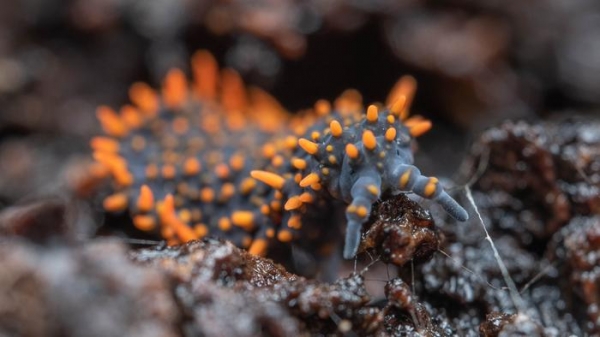
The international research team studied soil animal communities across 19 countries. They analysed more than 17,000 soil samples from 456 sites. The study covered 28 major organism groups, including nematodes, springtails, mites, earthworms, spiders, and other arthropods.
Researchers used carbon and nitrogen stable isotope ratios to reveal feeding patterns and trophic positions. These measurements helped show where organisms sit within soil food webs. The team compared agricultural ecosystems, woodlands, tropical regions, and temperate regions.
This approach moved beyond simple species counting. It examined how organisms use resources, respond to pressure, and maintain soil processes. The study appeared in Nature Ecology & Evolution.
Key findings
The researchers found greater trophic diversity in agricultural ecosystems and tropical regions. This means soil animals used a wider range of feeding strategies there. Animals that feed on microorganisms showed higher trophic diversity than predators or animals feeding on dead organic matter. These microbial feeders included nematodes, springtails, and mites.
One major finding stood out. Soil animal trophic diversity was about 32% higher in agricultural systems than in woodlands. This finding may seem surprising because many people expect intensive land use to simplify ecological communities.
The researchers warned against a simple interpretation. Higher feeding diversity does not mean agriculture improves soil biodiversity. Instead, soil animals may broaden their diets under resource limitation and disturbance. This flexibility may help maintain soil functions. However, it may also reflect the loss of specialist species.
The study also found higher trophic diversity in tropical regions. Soil animal trophic diversity was about 40% higher in tropical regions than temperate regions. Tropical soils often experience faster decomposition and stronger competition for resources. These conditions may push organisms to divide resources more precisely.
Broader implications
Soil biodiversity plays a direct role in ecosystem stability. It affects nutrient cycling, organic matter breakdown, microbial balance, and soil structure. This study shows why environmental monitoring must examine ecological function, not only species presence.
Agricultural land use can alter feeding patterns beneath the surface. These changes may influence soil health, crop resilience, and long-term productivity. For land managers, this creates a practical message. Soil assessment should include biological indicators alongside chemical testing.
For environmental consultants, the findings support stronger soil sampling and ecosystem monitoring programs. For regulators, the study strengthens the value of ecological risk assessment. Soil food webs can change before visible damage appears.
Climate also matters. Tropical and temperate soils may respond differently to land disturbance, contamination, and resource stress. This makes climate risk assessment more important for soil management. It also supports better environmental impact assessment for agriculture, development, and restoration projects.
Contaminant monitoring should also consider soil biology. Pollution can affect feeding behaviour, microbial activity, decomposition, and nutrient cycling. In some cases, fate and transport modelling can help explain pollutant movement through soil, water, and sediment. These findings show that soil biodiversity is active, responsive, and essential to ecosystem resilience.
How Ecotox Environmental Services Can Help
Ecotox Environmental Services helps organisations understand soil, water, sediment, and ecosystem risks through science-based monitoring. For land-use projects, Ecotox can support soil sampling, environmental monitoring, and ecological risk assessment. These services help identify contamination, soil condition, and potential impacts on surrounding ecosystems.
Ecotox also supports environmental impact assessment and exposure assessment. These services help organisations evaluate risks before projects move forward. For agricultural, industrial, and development sites, Ecotox can design monitoring programs that track environmental change over time.
Water quality monitoring and sediment sampling can also support wider soil investigations. Soil, water, and sediment systems often interact. Where pollutant movement remains uncertain, fate and transport modelling can guide stronger decisions.
By combining contaminant monitoring, ecosystem monitoring, and environmental compliance support, Ecotox helps clients protect natural systems. This integrated approach helps organisations move beyond basic testing. It supports better decisions for soil health, biodiversity, and long-term environmental management.
Internal link:
Ecotox Environmental Services environmental monitoring and assessment capabilities — https://ecotoxes.ani.quest/services/
Outbound citation:
Does agriculture and climate affect feeding activities of soil animals? — https://www.uni-goettingen.de/en/3240.html?id=8162