


Erosion Outpacing Deposition Drives Rivers to Self‑Split—A Game-Changer for Flood and Ecological Planning.
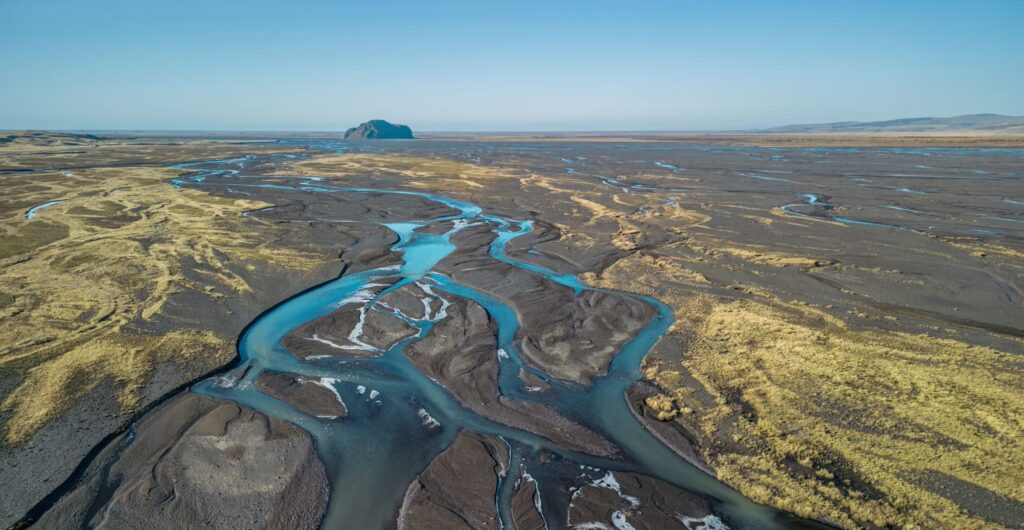
UC Santa Barbara researchers, analyzing 36 years of satellite imagery across 84 global rivers, have found that rivers begin to split into multiple channels when bank erosion exceeds sediment deposition. Published in Science, this finding sheds new light on natural floodplain formation and river restoration possibilities enn.com+4The Current+4sciencesprings+4.
🔍 Research Methodology & Discoveries
- Comprehensive satellite analysis
Using Landsat imagery and Google Earth Engine tools, the UCSB team tracked erosion and sediment buildup on river banks with particle image velocimetry techniques sciencesprings+1The Current+1The Current+1sciencesprings+1. - Channel behavior classification
They identified two main river types:- Single-threaded rivers maintain dynamic balance—erosion and deposition cancel out.
- Multi-threaded rivers experience net bank loss; channels widen until they split The Current+1sciencesprings+1.
- Predictive modeling tool
UCSB developed a formula that estimates when and where rivers will naturally diverge—providing quantifiable guidance for flood and restoration design santabarbaraca.gov+8The Current+8sciencesprings+8. - Widespread relevance
Multi-threaded patterns are common globally, even in hard-to-erode soils, while some iconic single-thread systems (e.g., the Mississippi) remain stable .
🌊 Environmental & Planning Impacts
- Adaptive floodplain rethinking
By anticipating where rivers may naturally split, planners can design corridors wide enough to absorb flood surges without expensive levees. - Cost-aware restoration
The UCSB formula helps set right-sized corridor widths—reducing earthwork and preserving natural processes. - Ecological benefit
Properly scaled floodplain designs encourage healthier, braided habitats—enhancing biodiversity and ecosystem services.
How Ecotox Environmental Services Can Help
Ecotox specializes in translating this new understanding into practical flood- and habitat-friendly solutions:
- Erosion vs deposition assessments
We analyze satellite data and conduct field surveys to measure bank erosion and sediment buildup in your target waterways. - Sediment and hydrodynamic modeling
Simulations explore how channel dynamics will respond under different restoration scenarios, like levee removal or corridor expansion. - Restoration corridor design
Using UCSB’s quantitative approach, Ecotox designs adaptable corridors that align flood safety with ecological functionality. - Environmental Impact Assessments (EIAs)
We ensure plans meet regulations and maximize ecological services, including flood storage, habitat reconnection, and sediment management.
By working with—and not against—natural river behavior, Ecotox delivers resilient, cost-effective, and ecology-aligned floodplain solutions.