


Queen Conch Aquaculture Feasibility Study and Seagrass Ecosystem Benefits
Introduction
Queen conch aquaculture is receiving increased attention in marine conservation and sustainable seafood research.
Queen conch aquaculture may help rebuild declining wild populations while supporting coastal economies.
Researchers are evaluating whether farmed conch systems can operate sustainably in Caribbean ecosystems.
Study / discovery overview
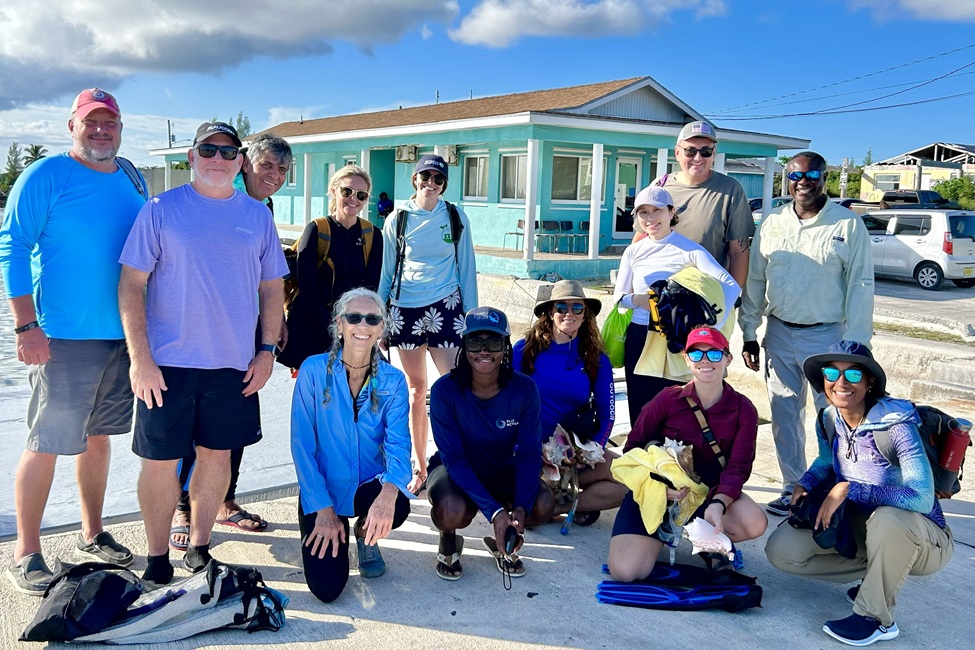
To investigate this opportunity, scientists at Florida Atlantic University’s Harbor Branch Oceanographic Institute launched a 12-month feasibility study.
The project evaluates the commercial and environmental potential of queen conch aquaculture in The Bahamas and the wider Caribbean region.
Researchers are examining hatchery and grow-out systems that could support scalable production.
The research findings were reported by Florida Atlantic University.
Key findings
The study focuses on developing a scalable farming model capable of producing high-quality marketable conch products.
Researchers are also evaluating animal welfare considerations across hatchery and grow-out systems.
The project includes market assessments for fresh and value-added conch products within regional seafood markets.
Industry partners and aquaculture companies are participating to evaluate commercial feasibility.
Scientists are also studying environmental co-benefits of farmed conch introduced into seagrass habitats.
Queen conch play an ecological role as grazers that help maintain healthy seagrass beds.
The research team will evaluate whether aquaculture systems can support both economic development and ecosystem restoration.
Broader implications
Queen conch populations have declined across parts of the Caribbean due to overfishing and habitat degradation.
Sustainable aquaculture may therefore reduce pressure on wild fisheries.
Seagrass ecosystems support biodiversity, fisheries productivity, and coastal protection.
Aquaculture systems designed to support seagrass habitats may provide additional ecosystem services.
Researchers are also examining potential carbon sequestration benefits associated with restored seagrass environments.
If successful, scalable queen conch aquaculture could support seafood supply while strengthening marine ecosystem resilience.
How Ecotox Environmental Services Can Help
Marine aquaculture development requires careful environmental monitoring and ecosystem assessment.
Ecotox Environmental Services conducts water, sediment, and biological sampling within coastal and marine environments.
Environmental monitoring programs track ecosystem health indicators and contaminant levels.
Fate and transport modelling helps evaluate pollutant movement in coastal systems.
Ecological risk assessments support sustainable management of aquaculture and marine restoration projects.
Ecotox Environmental Services environmental monitoring and assessment capabilities — https://ecotoxes.ani.quest/services/
Florida Atlantic University report on queen conch aquaculture feasibility — https://www.fau.edu/newsdesk/articles/queen-conch-feasibility-study.php