


Pesticides Soil Biodiversity Impacts Across European Landscapes
Introduction
Pesticide soil biodiversity impacts are receiving growing scientific attention.
Agricultural chemicals frequently accumulate within terrestrial ecosystems.
Researchers are evaluating how pesticide exposure influences soil organisms and ecosystem processes.
Study / discovery overview
To investigate these effects, researchers at the University of Zurich co-led a Europe-wide soil biodiversity study.
Scientists collected soil samples across croplands, forests, and meadows within multiple countries.
The research assessed pesticide occurrence alongside biological community responses.
The findings were reported by the University of Zurich and published in Nature.
Key findings
Researchers detected pesticide residues in approximately 70 percent of sampled European soils.
The study analyzed 63 common pesticides across 373 sampling locations in 26 countries.
Fungicides represented the most frequently detected compounds, followed by herbicides and insecticides.
Residues occurred not only in agricultural fields but also in forests and meadows.
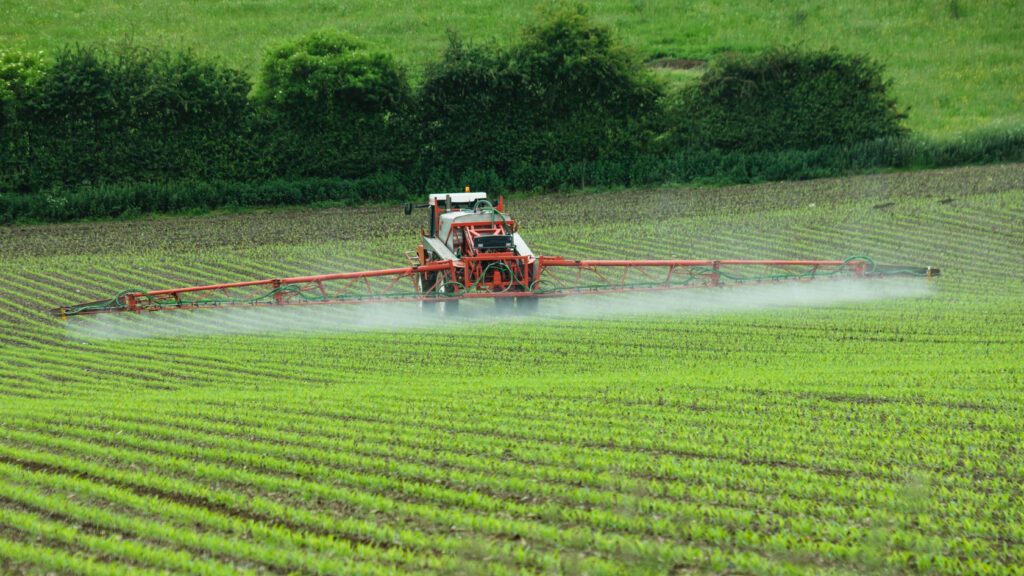
Researchers attributed this distribution partly to spray drift processes.
Pesticides suppressed beneficial organisms including mycorrhizal fungi and nematodes.
Observed biodiversity shifts altered microbial functions linked to nutrient cycling.
Reduced soil function may increase reliance on external fertilization to maintain crop yields.
Broader implications
These findings highlight soil ecosystems as important but often overlooked pesticide exposure pathways.
Soil organisms support food production, carbon storage, erosion control, and water regulation.
Broad non-target effects suggest current pesticide risk assessments may underestimate impacts.
Landscape-level contamination indicates potential for cumulative ecosystem stress.
Improved monitoring frameworks may support adaptive agricultural management strategies.
How Ecotox Environmental Services Can Help
Understanding pesticide impacts requires integrated environmental monitoring approaches.
Ecotox Environmental Services conducts soil, water, and sediment sampling within agricultural landscapes.
Monitoring programs evaluate contaminant occurrence and ecological condition trends.
Exposure assessment methodologies support evaluation of ecosystem and human risk pathways.
Ecological risk assessments assist stakeholders in interpreting monitoring data for management decisions.
Ecotox Environmental Services environmental monitoring and assessment capabilities — https://ecotoxes.ani.quest/services/
University of Zurich report on pesticide impacts on soil biodiversity — https://www.news.uzh.ch/en/articles/media/2026/Pesticides.html