-
Low-Carbon Concrete in a Changing Climate: Why Local Weather Can Determine Durability
Low-Carbon Concrete in a Changing Climate: Why Local Weather Can Determine Durability Concrete is central to modern infrastructure. It is also a major focus of construction-sector decarbonisation because producing the cement used in concrete releases substantial quantities of carbon dioxide. One response is to develop concretes that use lower-carbon cement systems. But reducing the carbon…
-
Underwater Drones Reveal Hidden Coral Habitat: Why Marine Baseline Surveys Need to Look Deeper
Underwater Drones Reveal Hidden Coral Habitat: Why Marine Baseline Surveys Need to Look Deeper For more than half a century, coral structures reported off the coast of Benin remained largely unresolved. Marine surveys conducted in the 1960s had identified what appeared to be a deep reef barrier more than 50 metres below the surface. But…
-
Extreme Heat Is Spreading Beyond Traditional Heat Seasons: Why Monitoring Calendars Need to Change
Extreme Heat Is Spreading Beyond Traditional Heat Seasons: Why Monitoring Calendars Need to Change Extreme heat is becoming more frequent. But a new global study asks a different question: Is extreme heat also arriving at different times of the year? The answer appears to be yes. Researchers examining 45 years of climate data found that…
-
Peatland Water Levels and Warming: Why Hydrology Controls Carbon Loss
Peatland Water Levels and Warming: Why Hydrology Controls Carbon Loss Water level is often treated as a hydrological measurement. In peatlands, it is much more than that. A new international study led by researchers at the University of Münster shows that the depth of the water table helps determine not only how much carbon dioxide…


SOLUTIONS FOR YOUR TESTING NEEDS
ENVIRONMENTAL & OCCUPATIONAL
For over 20 years, we have offered the highest standard of Environmental and Occupational Testing Services.
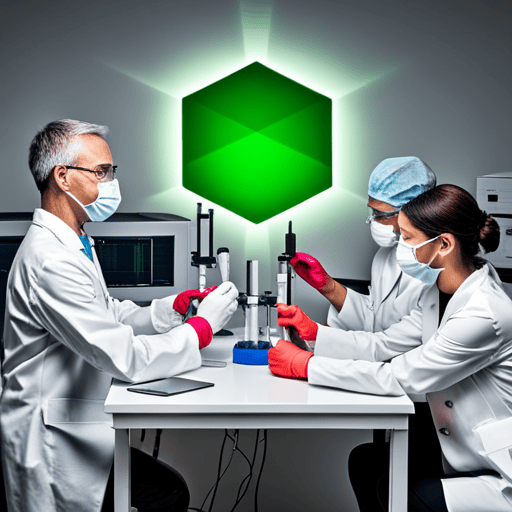
Unparalleled Expertise
in Testing and Consultancy Services
We are the premier provider of Environmental Testing and Consultancy services tailored to meet the diverse requirements for the ever expanding regional industrial sector.
OUR SERVICES
Delivering value with expertise-driven solutions.
We provide a wide range of sampling services for different matrices, where all sampling equipment and operating procedures are conducted under strict local and international standards.
Environmental Analytical Testing

Our skilled scientists and technicians are dedicated to providing continuous value for our clients.

We provide environmental and occupational monitoring of air and noise, as stipulated in local and international standards.

Through our range of projects and professional network, our affordable testing and consultancy services are also procured on a per project basis.

Our skilled scientists and technicians who are dedicated to providing continuous value for clients and their customers.

As an employer, it is necessary to ensure that a safe work environment is provided for all employees, while complying with local and international regulations which impose limits to protect workers

We provide a wide range of sampling services for different matrices, where all sampling equipment and operating procedures are conducted under strict local and international standards.