


Nitrous Oxide Broken Down via Metal-Free Catalysis at Low Temperature
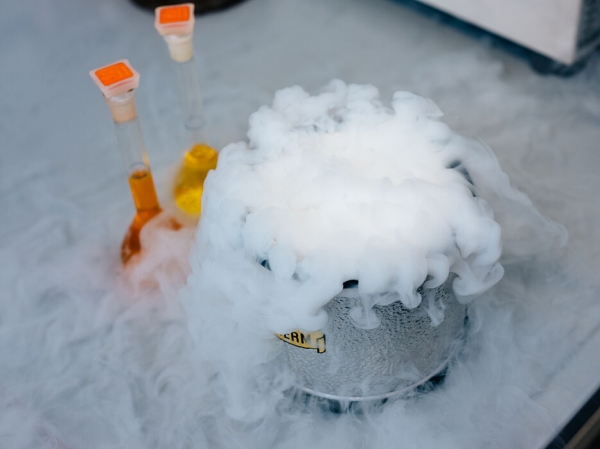
A novel method for decomposing nitrous oxide—a potent greenhouse gas—has been discovered by chemists at Paderborn University. University of Paderborn
Key Findings
- Nitrous oxide is converted into harmless N₂ via a phosphorus catalyst with oxygen atom transfer. University of Paderborn
- The catalytic cycle is regenerative: the phosphane-oxygen compound can be reduced back via silane, enabling reuse. University of Paderborn
- The process is metal-free and operates under relatively mild conditions (i.e. low temperature). University of Paderborn
- Nitrous oxide is extremely potent—with a global warming potential ~265× that of CO₂—and contributes ~6 % of climate forcing. University of Paderborn
- Its atmospheric concentration has risen ~20 % since the Industrial Revolution. University of Paderborn
How Ecotox Environmental Services Can Help
- Emission Source Audit & Quantification
Emissions from agriculture, industrial, and medical processes can be audited and quantified. - Catalyst Feasibility & Process Modelling
Novel catalytic degradation systems (like the Paderborn method) can be modeled and tested for site feasibility. - Lifecycle & Impact Assessment
The full environmental impact of nitrous oxide mitigation technologies can be evaluated. - Policy & Technology Advisory
Guidance can be offered on integrating such technologies into regulatory frameworks and development plans.