


The Invisible Cost of E-Waste Recycling: Health and Environmental Hazards in Ghana’s Agbogbloshie
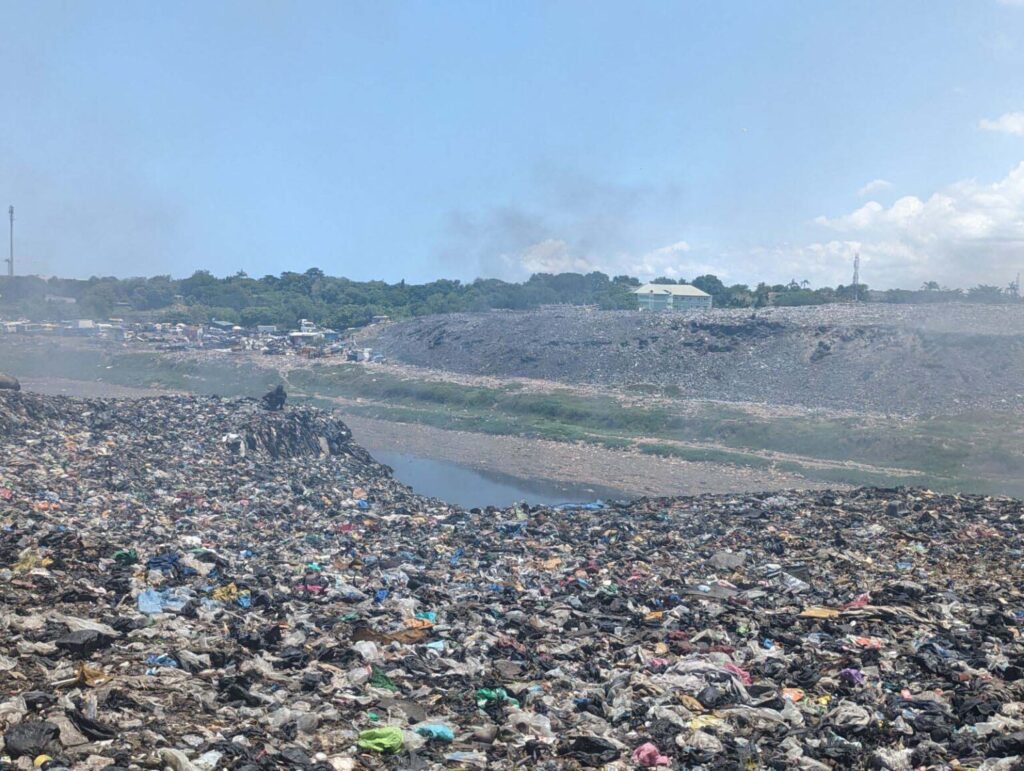
A new University of Michigan study highlights a dangerous paradox in informal electronic waste (e-waste) recycling in Ghana: what provides income for vulnerable communities also exposes people and ecosystems to severe toxic pollution. This sheds light on how global supply chains and circular economy narratives can mask deep environmental and health risks. UM School for Environment and Sustainability
The Informal Paradox: Livelihood vs Toxic Exposure
The settlement of Agbogbloshie near Accra has emerged as one of the world’s largest informal e-waste recycling hubs, drawing migrants seeking economic opportunity. Workers strip, burn, and chemically process discarded electronics — often without protective gear, regulation, or formal oversight. UM School for Environment and Sustainability
Researchers documented this “informal paradox” through 55 field interviews, finding that:
- Open burning of plastics and cables releases fine particulate matter (PM₂.₅) that saturates the air, increasing respiratory and cardiovascular risks for workers and nearby residents. UM School for Environment and Sustainability
- Chemical leaching using acids liberates valuable metals but contaminates soil and local water bodies, including lagoons, with hazardous compounds. EurekAlert!
- Pollutants from these informal processes settle over communities and incorporate into the broader urban environment, creating long-term ecological harm. UM School for Environment and Sustainability
- Ghana receives roughly 15 % of the world’s e-waste, much of it exported from wealthier regions under the guise of “donations” or second-hand goods, fueling this toxic cycle. Technology.org
This dynamic illustrates a stark reality: extracting minerals for global industry — even for essential technologies like clean-energy infrastructure — can come at severe local health and environmental costs when recycling is informal and unregulated. UM School for Environment and Sustainability
Broader Impacts on Health & Environment
Health and environmental research consistently show that informal e-waste sites like Agbogbloshie can contaminate air, soil, and water with heavy metals (lead, cadmium, arsenic) and organic pollutants such as persistent flame retardants. These contaminants have been linked to respiratory illness, neurological damage, reduced biodiversity, and soil degradation in similar contexts. PMC
The prevalence of PM₂.₅ from open burning raises acute risks for lung and heart disease, especially in communities already facing socioeconomic vulnerability. UM School for Environment and Sustainability
How Ecotox Environmental Services Can Help
Ecotox’s current services align with the urgent needs highlighted by this research and can support safer, evidence-based transitions in e-waste management:
- Environmental & Toxicant Monitoring
- Conduct systematic sampling of air (e.g., PM₂.₅), soil, sediments, and water near informal recycling sites to quantify contamination levels and identify exposure hotspots.
- Source Attribution & Fate Modeling
- Apply pollutant fate and transport models to trace contaminants from e-waste processes into ecosystems, communities, and food chains.
- Risk & Exposure Assessment
- Assess human and ecological risk based on measured exposures, focusing on vulnerable groups and pathways such as inhalation and soil/food exposure.
- Policy Analysis & Advisory Support
- Provide context-specific guidance on risk reduction strategies — including controlled recycling infrastructure, safer processing methods, and emissions limits — grounded in local socioeconomic realities.
These services help partners bridge the gap between informal economic practices and sustainable, health-protective waste management systems.