


Coral Reefs in the Western Atlantic Face Collapse as Climate Change Accelerates
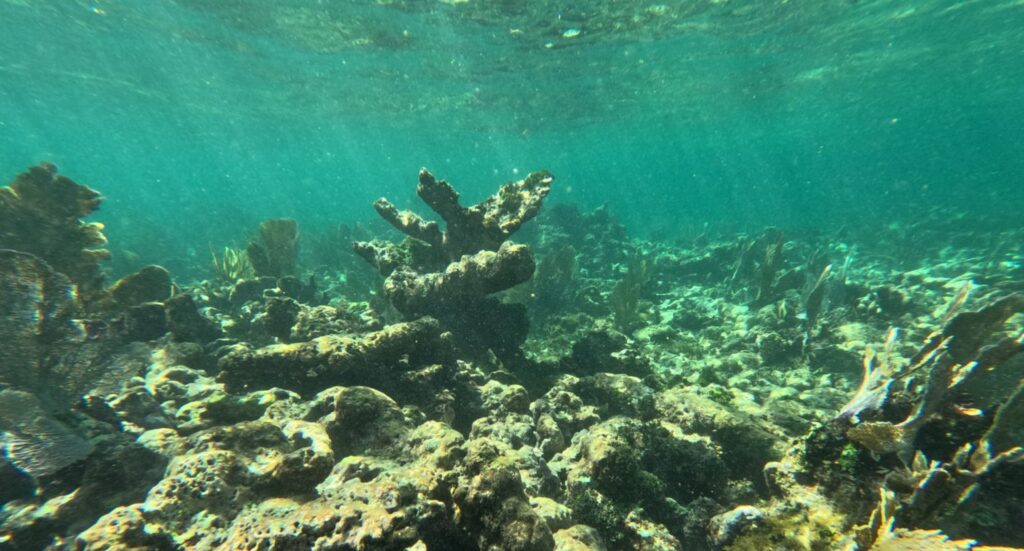
A new study led by the University of Exeter reveals that most coral reefs in the western Atlantic are on the brink of ceasing growth due to climate change. The research, published in Nature, indicates that over 70% of reefs around Florida, Mexico, and Bonaire will stop growing by 2040, with more than 99% at risk by 2100 if global temperatures rise 2°C above pre-industrial levels.
Key Findings
- Accelerated Reef Decline: Climate change, coupled with coral diseases and deteriorating water quality, is reducing reef growth by killing corals and impacting colony growth rates.
- Erosion Risk: Without intervention, many reefs may begin to erode, leading to increased coastal flooding and loss of biodiversity.
- Sea-Level Rise: Projected increases in sea levels could further exacerbate the situation, making it challenging for reefs to keep pace with environmental changes.
Implications for Coastal Communities
- Increased Flooding: Reefs act as natural barriers against storm surges; their degradation could lead to heightened vulnerability for coastal areas.
- Loss of Biodiversity: The decline of coral reefs threatens marine species that depend on them for habitat and food.
- Economic Impact: Communities relying on reef-based tourism and fishing industries may face economic challenges as reef health declines.
How Ecotox Environmental Services Can Assist
Ecotox offers several services that align with the needs highlighted by this study:
- Environmental Impact Assessments (EIAs)
- Assess the potential impacts of climate change on local ecosystems, including coral reefs.
- Coastal Risk Mapping
- Identify areas at risk of flooding due to reef degradation and sea-level rise.
- Biodiversity Monitoring
- Monitor changes in marine biodiversity as a result of reef health decline.
- Restoration Strategy Development
- Develop strategies for coral reef restoration and conservation to mitigate the effects of climate change.
By leveraging these services, communities can better understand and address the challenges posed by the declining health of coral reefs.