


Single-Use Plastic Water Bottles Release Tens of Thousands of Microplastics Annually, Study Warns
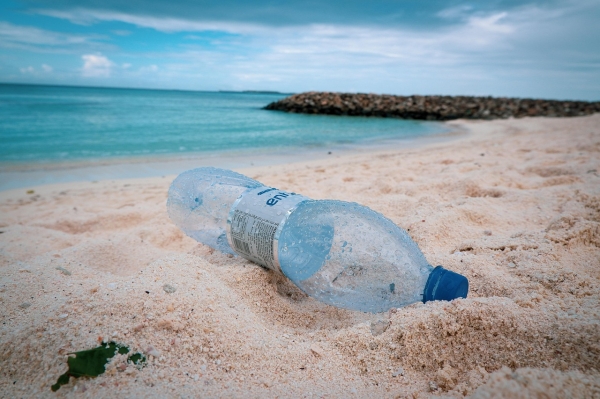
A Concordia University review finds that single-use plastic water bottles shed massive quantities of microplastics and nanoplastics—posing chronic, understudied risks to human health. Concordia University+1
Key Findings
- The review examined over 140 scientific articles on plastics, exposure, health effects, and measurement methods. Concordia University+2EurekAlert!+2
- Individuals ingest an estimated 39,000 to 52,000 microplastic particles annually from all sources. ScienceDaily+3Concordia University+3EurekAlert!+3
- People who drink from single-use plastic bottles may ingest ~90,000 additional particles per year compared to tap water consumers. EurekAlert!+2ScienceDaily+2
- Microplastics and nanoplastics are released throughout the bottle lifecycle—manufacture, transport, storage, and use. Exposure increases with sunlight, heat, stress, and handling. Concordia University+2EurekAlert!+2
- Ingested particles may cross into the bloodstream, reach organs, and possibly cause chronic inflammation, oxidative stress, hormonal disruption, reproductive effects, neurological damage, or cancer. ScienceDirect+3Concordia University+3EurekAlert!+3
- Long-term effects remain unclear, in part because detection methods are inconsistent, expensive, and vary in sensitivity. Many studies cannot identify plastics’ chemical composition or detect the smallest nanoplastics. Environmental News Network+3Concordia University+3EurekAlert!+3
- The authors caution: this is not an acute toxicity issue—the risk lies in low-level, chronic exposure over time. ScienceDirect+3Concordia University+3EurekAlert!+3
How Ecotox Environmental Services Can Help
Here are the services Ecotox currently offers that align with addressing the risks highlighted by this research:
- Sampling & Microplastic / Nanoplastic Analysis
- Collect water, sediment, or biological samples and detect particles (size, count, chemical class).
- Fate & Transport Modeling
- Simulate how microplastics disperse through water systems, move into human exposure pathways, and accumulate.
- Risk & Exposure Assessment
- Estimate human or ecological exposure levels based on measured concentrations; compare against emerging toxicological data.
- Mitigation Strategy Support
- Design interventions to reduce plastic leaching (e.g. better materials, storage protocols) and plan for exposure reduction.
By offering these scientifically grounded services, Ecotox can assist clients in responsibly evaluating and managing long-term microplastic risk.