


Vehicle Plastics Recycling Could Cut Automotive Waste
Introduction
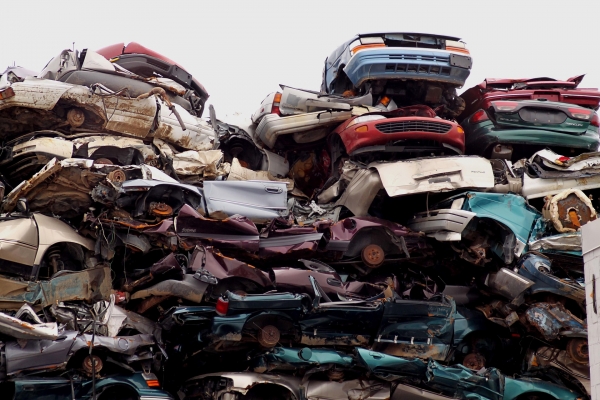
Vehicle plastics recycling is becoming a major issue for automotive waste management. Each year, the European Union scraps four to six million cars. These vehicles contain valuable materials that often leave the recycling loop.
A new Technical University of Munich study examines how plastics from end-of-life vehicles can return to new vehicles. The study focuses on closed-loop recycling and industrial-scale sorting.
This research matters beyond Europe. It connects waste management, climate risk assessment, industrial emissions monitoring, and environmental compliance.
For environmental professionals, it also shows why material recovery needs stronger data. Better monitoring can reduce waste, emissions, and contamination risks.
Study / discovery overview
Researchers at the Technical University of Munich analyzed a process developed through the Car2Car research project. The project studies circular economy options for automotive manufacturing.
When vehicles reach end of life, dismantlers remove batteries, wheels, catalytic converters, airbags, and fluids. The remaining structure then goes to shredding.
This process creates a mixed waste stream. It can contain metals, textiles, plastics, foams, rubber, and composite materials.
Separating plastics from that mixture remains difficult. Many plastics differ in composition, density, additives, coatings, and contamination levels.
The EU is planning stricter rules for end-of-life vehicles. Under the proposal, new vehicles would gradually use 25% recycled plastics from post-consumer sources.
A portion must also come from closed-loop recycling. This means plastics from old vehicles must return to new vehicles.
The TUM team used a material flow model to assess future recycling scenarios. They examined dismantling levels, vehicle composition, and sensor-based sorting performance.
Key findings
The study notes that around 200 kilograms of plastic can arise from each end-of-life vehicle during dismantling. This shows the scale of the recovery challenge.
Researchers focused on refuse-derived fuels from vehicle shredding. These mixed residues include shredded plastics, textiles, and rubber materials.
Today, many of these residual materials are incinerated in industrial facilities. That creates greenhouse gas emissions and reduces material recovery opportunities.
The research team studied an improved sorting process. The process further shreds, screens, and sorts residues with mid-infrared sensor technology.
The process was tested on more than 400 end-of-life vehicles. These vehicles included different powertrain types and produced potentially reusable plastic recyclates.
In some scenarios, the improved sorting process could meet the EU’s proposed 3% automotive closed-loop recycling quota for 2035.
The study also found potential climate benefits. The process could cut greenhouse gas emissions from incineration by up to 29%.
Researchers also noted limitations. The vehicle sample came from one manufacturer and similar vehicle ages. This means wider validation remains important.
Even so, the results offer a practical starting point. They show how better sorting can support circular manufacturing.
Broader implications
Vehicle plastics recycling highlights a growing environmental challenge. Modern products often combine many materials that become difficult to separate later.
This issue affects more than car manufacturers. It also affects regulators, recyclers, waste managers, industrial sites, and environmental consultants.
Poor recycling design can increase incineration, landfill pressure, and emissions. It can also complicate pollution assessment at waste handling sites.
These findings support stronger environmental impact assessment across product lifecycles. They also support better monitoring program design for industrial waste streams.
For automotive facilities, improved recycling can reduce emissions linked to waste disposal. It can also support environmental compliance under changing regulations.
For communities, better recycling can reduce pressure on disposal sites. It can also lower risks from poorly managed residues and contaminated runoff.
Vehicle plastics recycling also connects with water quality monitoring and soil sampling. Waste storage and processing areas can release contaminants through stormwater or dust.
Sediment sampling may also matter near drainage pathways and receiving waters. This helps identify where pollutants accumulate after industrial handling.
Fate and transport modelling can support these assessments. It helps explain how contaminants move through air, water, soil, and sediment.
This research also reinforces the need for circular design. Products should be easier to dismantle, sort, and reuse before they become waste.
How Ecotox Environmental Services Can Help
Ecotox Environmental Services helps organisations assess environmental risks linked to industrial activity, waste handling, and contamination pathways.
For facilities managing vehicles, plastics, or mixed residues, Ecotox can support environmental monitoring and pollution assessment.
Air monitoring and industrial emissions monitoring can help evaluate emissions from processing, storage, or thermal treatment activities.
Water quality monitoring can track runoff from dismantling yards, recycling areas, and waste transfer sites.
Soil sampling and sediment sampling can identify contamination near storage zones, drainage channels, and receiving environments.
Ecotox also supports environmental impact assessment, ecological risk assessment, and exposure assessment. These services help organisations understand risks before they escalate.
By combining contaminant monitoring, monitoring program design, and environmental compliance support, Ecotox helps clients make informed decisions.
This integrated approach supports safer recycling systems, stronger compliance, and better environmental protection.
Internal link:
Ecotox Environmental Services environmental monitoring and assessment capabilities — https://ecotoxes.ani.quest/services/
Outbound citation:
Improving plastics recycling from end-of-life vehicles — https://www.tum.de/en/news-and-events/all-news/press-releases/details/improving-plastics-recycling-from-end-of-life-vehicles