


Old Growth Forest Wildfire Risk Rising Under Changing Fire Regimes
Introduction
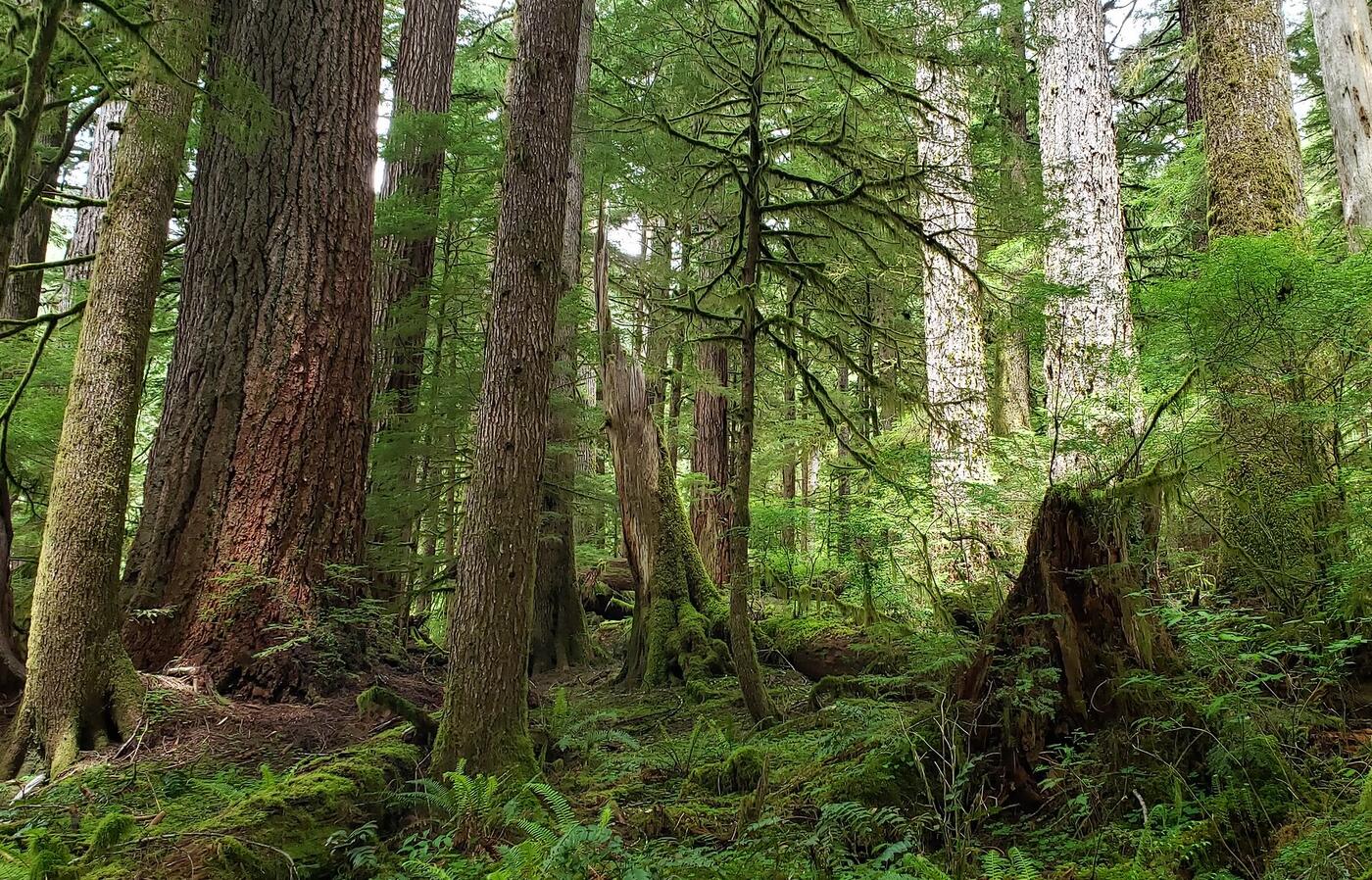
Old growth wildfire risk is increasing across forest ecosystems in the Pacific Northwest.
Old growth wildfire risk has risen as historical fire patterns have shifted over time.
Researchers are examining how these changes are affecting forest resilience and long-term stability.
Study / discovery overview
To understand this trend, researchers at Oregon State University and the USDA Forest Service analyzed wildfire exposure across federal forest lands.
The study covered approximately 24 million acres across Oregon, Washington, and California.
Scientists used advanced modelling to map wildfire behavior, forest structure, and historical fire regimes.
The findings were reported by Oregon State University.
Key findings
The study found that mature and old-growth forests face the highest wildfire risk in areas that historically experienced frequent low-severity fires.
Approximately 75 percent of high-risk forest areas fall within these historically fire-adapted regions.
Historically, frequent low-intensity fires helped maintain open forest structures and reduced fuel buildup.
However, fire suppression policies and the disruption of Indigenous fire stewardship altered these natural cycles.
As a result, forests became denser, with increased accumulation of combustible materials.
These conditions now support more severe, stand-replacing wildfires that can destroy entire forest sections.
Since 2000, federal lands in the region have lost millions of acres of mature and old-growth forests due to wildfire.
Some areas, such as the Klamath Mountains, were identified as hotspots for both wildfire exposure and carbon emissions.
Researchers also identified “fire refugia,” areas that may reduce wildfire severity and protect forest ecosystems.
Broader implications
Old-growth forests play a critical role in biodiversity conservation, carbon storage, and ecosystem stability.
Loss of these forests may reduce carbon sequestration capacity and increase atmospheric emissions.
Changes in fire regimes can shift ecosystems from low-severity fire cycles to high-severity events.
This shift may alter habitat structure and reduce resilience of forest ecosystems.
Climate change is intensifying wildfire activity through higher temperatures and longer dry periods.
As a result, forest management strategies must adapt to evolving fire conditions.
Understanding spatial wildfire risk patterns can support targeted mitigation and restoration efforts.
How Ecotox Environmental Services Can Help
Wildfire risk and forest degradation require comprehensive environmental monitoring and assessment.
Ecotox Environmental Services conducts soil, water, and air sampling in forest and post-fire environments.
Environmental monitoring programs track ecosystem recovery and contamination following wildfire events.
Fate and transport modelling supports understanding of ash, sediment, and pollutant movement.
Ecological risk assessments assist stakeholders in forest management and restoration planning.
Internal link:
Ecotox Environmental Services environmental monitoring and assessment capabilities — https://ecotoxes.ani.quest/services/
Outbound citation:
Oregon State University report on old growth forest wildfire risk — https://news.oregonstate.edu/news/where-fires-used-be-frequent-old-forests-now-face-high-risk-devastating-blazes