


Wildfires Drinking Water Contamination Risks
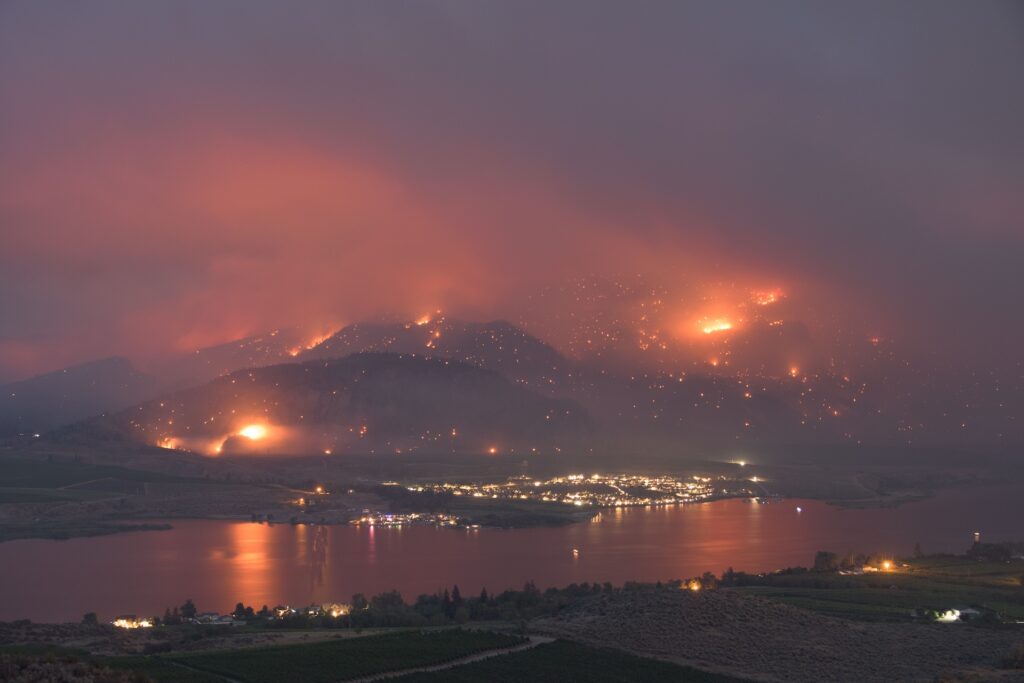
Introduction
Wildfire water contamination is becoming a growing environmental concern.
Wildfire water contamination occurs when ash, soil, and pollutants enter rivers and reservoirs.
Researchers are now examining long-term impacts of wildfires on drinking water systems.
Study / discovery overview
To understand these impacts, researchers at the University of British Columbia conducted a global review of wildfire-affected watersheds.
The team analyzed 23 studies across 28 watersheds worldwide to evaluate post-fire water quality changes.
Scientists compared water chemistry before and after major wildfire events.
The findings were reported by the University of British Columbia.
Key findings
Researchers found that wildfire water contamination can persist for months or even years after fires end.
Storms and snowmelt can wash stored ash and debris into rivers long after the initial fire event.
Elevated sediment, nutrients, heavy metals, and organic carbon were detected in affected watersheds.
Following the 2016 Fort McMurray wildfire, rivers showed increased sediment, nitrogen, phosphorus, and lead levels.
Water utilities in the region increased treatment chemical spending by approximately $500,000 annually to maintain drinking water quality.
Long-term effects can also occur through delayed contamination events.
For example, floods years after a wildfire can mobilize stored ash and soil within burned watersheds.
In Alberta’s southern Rockies, nutrient levels rose seven to nine times higher after flooding events years later.
Smoke and wildfire-fighting chemicals can also introduce contaminants into nearby water systems.
Broader implications
These findings highlight wildfire impacts as long-term watershed management challenges.
Wildfire water contamination may increase treatment costs for drinking water utilities.
Small communities with limited infrastructure may face higher risks from prolonged contamination events.
Climate change is increasing wildfire frequency and intensity across many regions.
As a result, drinking water protection strategies must consider long-term watershed recovery processes.
Coordinated monitoring programs may help utilities anticipate contamination risks following large fires.
Researchers are now developing models that link wildfire behavior, smoke transport, and river systems.
These tools aim to improve prediction of post-fire water quality risks.
How Ecotox Environmental Services Can Help
Wildfire-related contamination highlights the importance of watershed monitoring and environmental assessment.
Ecotox Environmental Services conducts water, soil, and sediment sampling in affected watersheds.
Environmental monitoring programs track post-fire contaminant levels in rivers and reservoirs.
Fate and transport modelling helps evaluate movement of ash-derived contaminants through watersheds.
Exposure assessments and ecological risk studies support water resource management decisions.
Ecotox Environmental Services environmental monitoring and assessment capabilities — https://ecotoxes.ani.quest/services/
University of British Columbia report on wildfire drinking water contamination — https://news.ubc.ca/2026/03/canadian-drinking-water-at-risk-long-after-wildfires/