


After Years of Plastic Cleanup, Coastal Marine Ecosystems Show Signs of Recovery
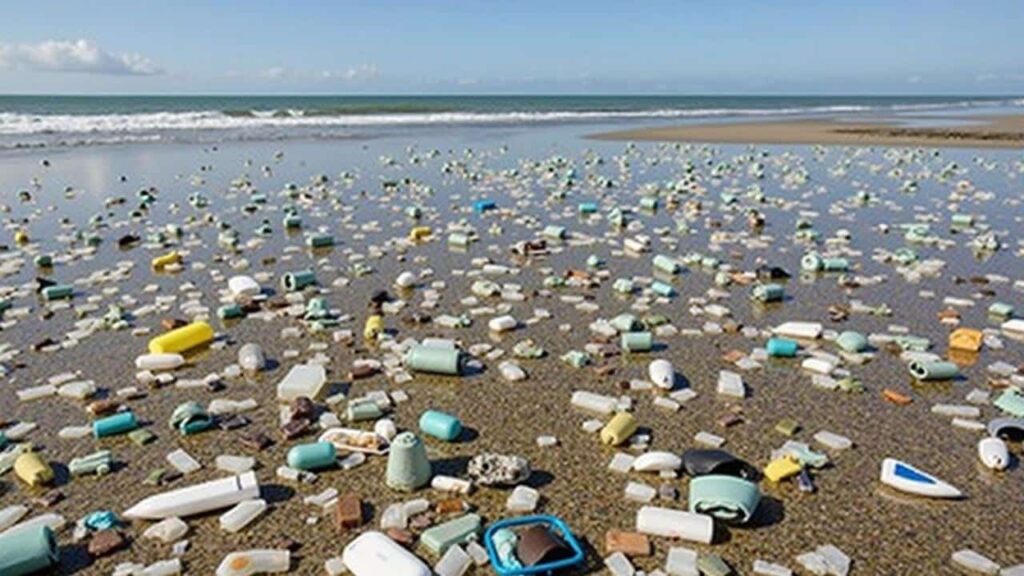
Decades of persistent coastal cleanup efforts — from removing trash by hand to implementing plastic bans and improving waste management — are now yielding signs of ecological recovery in shorelines and nearshore waters. Recent observations from multiple regions show that when the flow of new plastic debris slows and accumulated waste is removed, visible improvements in marine habitats follow.
Cleanup Efforts Turning the Tide
Long-term cleanup campaigns have steadily reduced visible litter along coastlines once choked with plastic bags, bottles, and fishing gear. In communities where volunteers returned month after month, the volume of newly collected waste declined significantly over several years — not due to fatigue, but because there was simply less debris to pick up.
Key actions that enabled this shift include:
- Consistent community cleanups combined with data collection to inform local policy and waste management.
- Bans on single-use plastics and improved packaging regulations that reduced fresh waste entering waterways.
- Engagement of fishers and coastal workers to recover trash as part of daily catch operations.
- Stormwater and river mouth interventions that prevent trash from traveling offshore.
Early Signs of Ecosystem Repair
Researchers and local fishers are reporting encouraging ecological signals where cleanup efforts have been sustained:
- Increased fish sightings where nets once hauled mostly trash.
- Reappearance of seagrass beds and other foundational habitats previously buried in debris.
- Sea turtles returning to nest on beaches free of heavy plastic litter.
- Coral colonies growing back in areas once smothered by plastic film.
These changes aren’t uniform or complete — offshore gyres and deep-sea environments still contain vast quantities of plastic and microplastics — but the recovery of nearshore ecosystems demonstrates that long-term human effort can create conditions where nature begins to repair itself.
How Ecotox Environmental Services Can Help
Here’s how Ecotox’s current services support and amplify the kinds of recovery described above:
- Coastal & Marine Debris Monitoring
- Design long-term monitoring programs that quantify plastic loads, identify hotspots, and track trends over time.
- Fate & Transport Modeling
- Model how plastics move from rivers and urban areas into coastal seas to help target prevention and cleanup efforts more effectively.
- Ecological Health & Recovery Assessment
- Assess how changes in debris loads influence biodiversity, habitat structure (e.g., seagrass, coral), and species return patterns.
- Intervention Design & Evaluation
- Advise clients on cleanup strategies that integrate upstream policy (e.g., plastic bans), community involvement, and measurable outcomes.
By linking solid data with actionable cleanup and prevention strategies, Ecotox helps stakeholders understand not just where pollution goes, but what it takes to let ecosystems start doing their own recovery work.