


Deepwater Horizon Monitoring Reveals Slow Recovery of Deep-Sea Coral Communities
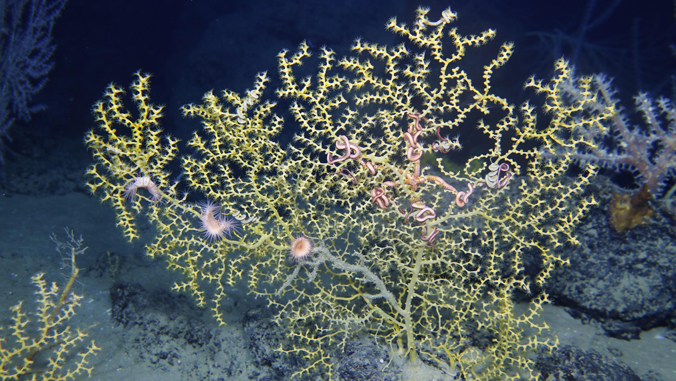
Fifteen years after the catastrophic Deepwater Horizon oil spill, researchers from the University of Hawaiʻi at Mānoa are continuing long-term monitoring of deep-sea coral communities off the Gulf of Mexico. Their observations highlight both the resilience and lingering vulnerability of these fragile ecosystems. ([turn0news0]
Long-Term Coral Monitoring
- Oceanographers from the School of Ocean and Earth Science and Technology (SOEST) participated in a recent expedition to revisit established monitoring sites that were first surveyed soon after the spill. They used remotely operated vehicles (ROVs) equipped with high-resolution cameras to image over 200 coral colonies deep below the surface. ([turn0news0]
- Deep-sea corals live at depths of 1,000–2,000 meters, where biological and physical processes unfold very slowly. Even more than a decade after the spill, many of these animals appear little changed from initial surveys, underscoring how slow recovery can be in deep water. ([turn0news0]
- Repeated annual imaging and manual analysis of these photographs provide crucial baseline data on coral health, physical structure, and their role as habitat for associated species like brittle stars and molluscs. ([turn0news0]
Why This Long-Term Work Matters
- The Deepwater Horizon oil spill — the largest offshore spill in U.S. history — released an enormous volume of crude oil into the Gulf of Mexico. Oil, dispersants, and other toxic compounds affected surface and deep-water ecosystems alike, including slow-growing corals. Continuous monitoring helps scientists understand how long recovery might take and what conditions improve or hinder resilience. National Ocean Service
- This research also supports restoration planning and natural resource damage assessment by showing which coral colonies are persisting, which are stagnant, and how associated communities (e.g., brittle stars) may contribute to coral health. ([turn0news0]
- These deep ecosystems are vital because they provide habitat for diverse marine species and contribute to overall ocean biodiversity — yet they are often out of sight and out of mind compared with shallow reefs. Smithsonian Ocean
How Ecotox Environmental Services Can Help
Ecotox offers services that can support similar long-term environmental monitoring and impact assessment efforts:
- Long-Term Monitoring Program Design
- Develop protocols for repeated sampling and imaging of vulnerable ecosystems (e.g., deep-sea or benthic habitats) to track recovery after disturbances.
- Pollutant Fate & Habitat Impact Modeling
- Model the distribution and persistence of contaminants (e.g., hydrocarbons, dispersants) in complex marine environments to understand exposure pathways.
- Biodiversity & Structural Health Assessment
- Use quantitative data to assess changes in species composition, habitat structure, and associated community interactions over time.
- Restoration Planning Support
- Provide science-based recommendations for ecosystem restoration, rehabilitation priority areas, and monitoring indicators.
These capabilities help environmental agencies, NGOs, and research consortia design effective post-impact studies and support adaptive management of sensitive marine ecosystems.