


Rutgers Scientists Engineer Programmable Plastics That Break Down Naturally.
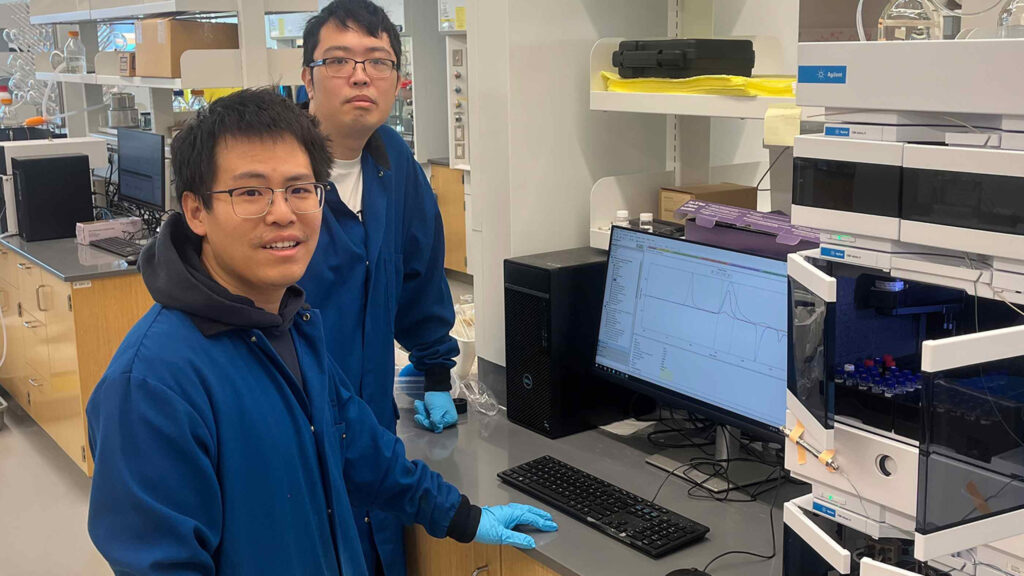
Rutgers University researchers have developed a new class of synthetic plastics that can break down naturally under everyday conditions without heat or harsh chemicals — a chemistry-based advance that could help tackle global plastic pollution. Their approach draws inspiration from how nature builds polymers that serve a purpose and then degrade. Rutgers University
What Makes These Plastics Different
- Nature-inspired design: The team adopted a chemical strategy based on how biological polymers like DNA and proteins naturally deconstruct, placing small chemical groups in plastics so that they become easier to break when triggered. Rutgers University
- Programmable degradation: By arranging key components within the plastic’s molecular structure, scientists achieved programmable lifespans — meaning plastics could be designed to degrade over days, months, or years depending on the intended use. Rutgers University
- Everyday conditions: These plastics degrade under normal environmental conditions, eliminating the need for special industrial composting, heat, or harsh chemicals. sciencesprings
- Maintained performance: The base materials remain strong and useful during normal use. Degradation is activated by specific triggers such as light or metal ions, giving manufacturers fine control over when the material breaks down. Rutgers University
- Non-toxic breakdown: Early lab tests indicate the liquid produced during breakdown is not toxic, though further studies are underway to confirm full ecological safety. Rutgers University
- Broad potential: While the research is still advancing, the strategy shows promise not only for environmental plastics solutions but also for applications like timed drug delivery and self-erasing coatings. The Analytical Scientist
Why This Matters for Pollution Solutions
Conventional plastics are extremely durable — which helps in use but contributes to persistent pollution when discarded. A programmable approach that ensures plastics can break down after serving their purpose could decrease long-term waste accumulation in oceans, soils, and ecosystems. By aligning material lifespans with functional lifetimes, this work supports smarter materials management and pollution reduction strategies. Rutgers University
How Ecotox Environmental Services Can Help
Ecotox’s existing services align with the research and help bridge science to action:
- Environmental Fate & Breakdown Assessment
- Measure how new programmable plastics degrade in real environmental systems (soils, water bodies, sediments).
- Sampling & Chemical Characterization
- Analyze breakdown products to confirm their composition and ensure ecological safety over full lifecycle.
- Risk & Exposure Assessment
- Evaluate potential risks from both original polymer and degradation products for ecosystems and human receptors.
- Policy & Material Guidance
- Support regulators and manufacturers with data-driven advice on adopting or regulating programmable biodegradable plastics for sustainable waste strategies.
By integrating measurement, modeling, and risk evaluation, Ecotox can help stakeholders understand how next-generation plastics behave in the environment and inform policies that reduce pollution impacts.