


Nitrogen Dioxide from Gas & Propane Stoves Poses Hidden Health Risks — Switching to Electric Cuts Exposure
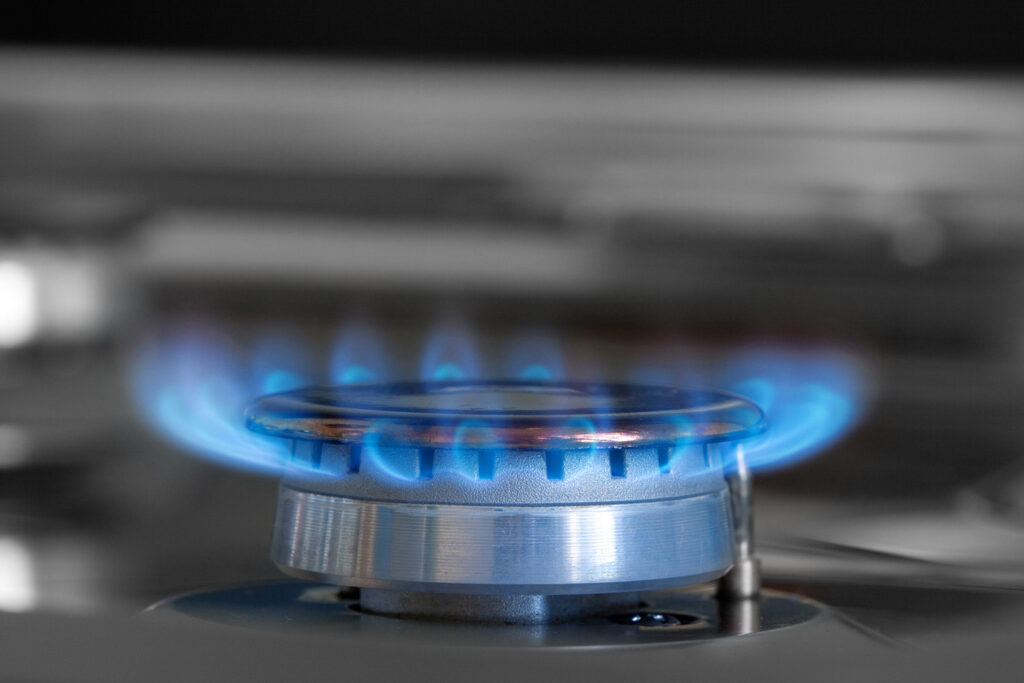
A new Stanford University study finds that gas and propane stoves emit significant nitrogen dioxide (NO₂) indoors — often at levels that exceed outdoor safety benchmarks. Indoor exposure from cooking can contribute to respiratory and cardiovascular health risks, but switching to electric cooking could halve NO₂ exposure for millions. Stanford News+1
Gas Stove Emissions: The Basics
- Gas and propane stoves release nitrogen dioxide (NO₂) when fuel combusts. This pollutant is a known irritant linked to asthma, reduced lung function, and other respiratory issues. Stanford News+1
- The recent study integrated indoor and outdoor air quality data nationally and found indoor sources can rival or exceed outdoor NO₂ exposure, especially in smaller homes and apartments. ScienceDaily
- NO₂ does not disappear immediately after cooking ends; it can linger for hours and spread throughout living spaces, including bedrooms. Medical Daily
Why Nitrogen Dioxide Matters to Health
- Long-term NO₂ exposure has been associated with higher incidence and worsening of asthma, especially in children. PMC
- Short-term spikes can irritate airways, increase respiratory infections, and exacerbate chronic lung conditions. MDPI
- The latest study suggests that indoor NO₂ from stoves contributes a substantial portion of total residential exposure because many households lack adequate ventilation. ScienceDaily
Electric Stoves Offer a Healthier Alternative
- The researchers estimate that switching from gas/propane to electric stoves could reduce household NO₂ exposure by around 50% or more for the heaviest users. Stanford News
- Electric and induction cooking produce no combustion-derived NO₂ because they don’t burn fossil fuels indoors. ScienceDaily
- Reduced exposure benefits can be greatest in homes with high occupancy, smaller floor areas, and limited ventilation — where pollutants accumulate most. ScienceDaily
How Ecotox Environmental Services Can Help
Ecotox’s existing service portfolio maps directly to addressing the issues highlighted by this research:
- Indoor Air Quality Sampling
- Measure NO₂, PM₂.₅, and other combustion byproducts in residential or commercial indoor environments to quantify pollutant levels.
- Source Attribution & Exposure Assessment
- Identify the relative contributions of gas/propane stoves versus other indoor sources; assess population exposure and vulnerable subgroups.
- Risk Assessment & Health Impact Modeling
- Evaluate how indoor NO₂ exposure may influence respiratory or broader health risks under different use scenarios.
- Mitigation Strategy Design
- Advise on cleaner cooking technology transitions, ventilation improvements, and policy strategies to reduce indoor air pollutant exposure.
These services help clients understand and manage indoor environmental health risks across homes, multifamily housing, and institutional settings.