


Microbes in Hypoxic Ocean Zones Are Powerfully Driving Nitrous Oxide Formation
University of Basel researchers have revealed how marine microbes convert nitrate into nitrous oxide (N₂O) under low-oxygen conditions — a process that could be more widespread than previously thought. unibas.ch+2EurekAlert!+2
Key Findings
- High-Impact Hypoxic Zones: N₂O production was especially intense in regions of the ocean with low oxygen (hypoxic zones), where specialized microbes thrive. unibas.ch
- Unexpected Oxygen Tolerance: Contrary to previous assumptions, these bacteria produced N₂O even at moderately higher oxygen levels — as long as there was abundant organic matter (e.g., decaying algae). unibas.ch
- Full Metabolic Pathway Used: Rather than taking a shortcut, these microbes consistently ran the full, multi-step pathway from nitrate → nitrite → N₂O, even when intermediate products were available. unibas.ch
- Model Updates: The team used their findings to refine ecosystem models, factoring in that organic matter boosts microbial oxygen tolerance — expanding zones where N₂O production can occur. EurekAlert!+1
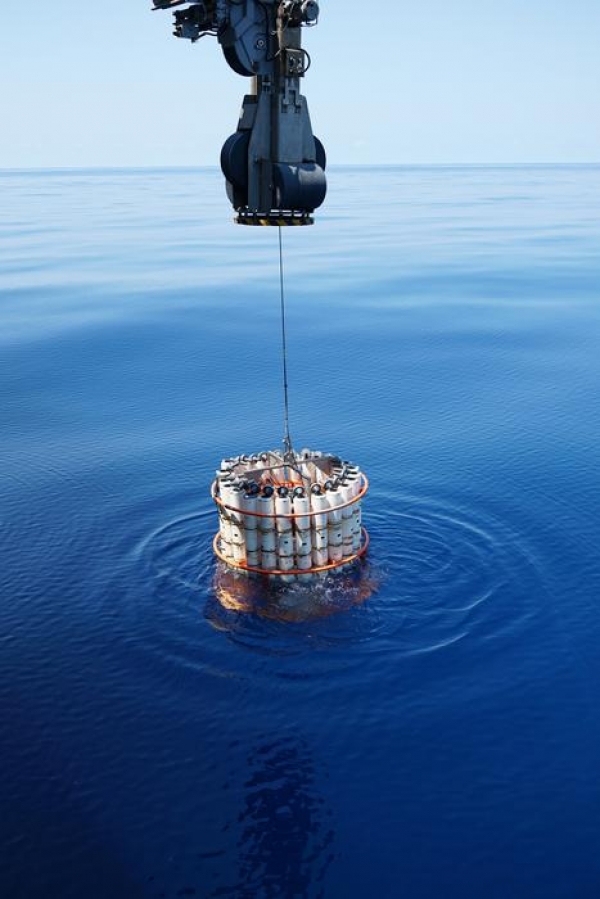
- Sampling Approach: During a six-week expedition off California and Mexico, hundreds of water samples were collected across different depths and oxygen levels. unibas.ch
Why This Matters
- Potent Greenhouse Gas: N₂O is ~300× more powerful than CO₂ in terms of global warming potential, and it also depletes the ozone layer. unibas.ch+1
- Rising Nitrogen Inputs: Human-driven nitrogen (from agriculture, fertilizer run-off) ends up in the ocean as nitrate — potentially fueling more N₂O production. unibas.ch
- Climate Modeling Implication: Better understanding of marine N₂O pathways helps improve the accuracy of climate models — especially as hypoxic zones may expand under future warming.
How Ecotox Environmental Services Can Help
Here’s how Ecotox’s current services align with the insights and risks highlighted by this study:
- Water Column Sampling & Analysis
- Design and execute sampling campaigns to measure N₂O concentration, nitrate, oxygen, and organic matter in marine zones.
- Microbial Fate & Transport Modeling
- Model how N₂O production varies with depth, oxygen gradients, and organic substrate availability.
- Biogeochemical Risk Assessment
- Assess how increasing N₂O emissions from marine zones contribute to global greenhouse-gas budgets, and identify hotspots.
- Regulation & Policy Advisory
- Advise regulatory bodies or environmental agencies on the importance of controlling nitrogen runoff to reduce marine N₂O production.