


Cockroach Infestation Drives Up Allergen & Endotoxin Levels in Urban Homes
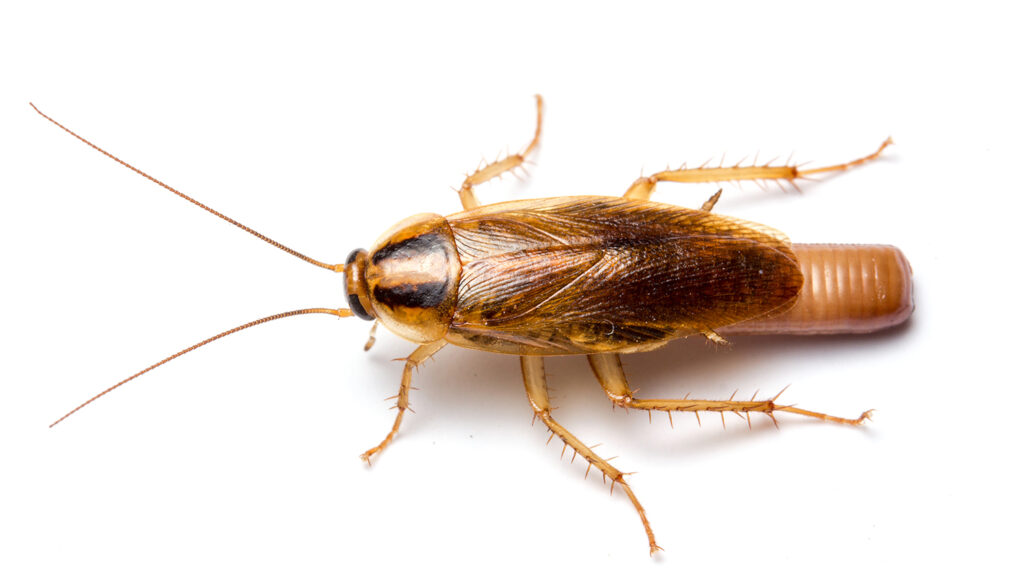
Researchers at NC State have uncovered a strong link between the size of cockroach infestations and elevated levels of both allergens and endotoxins in homes — and crucially, reducing roaches significantly lowers these harmful substances. NC State News+1
Key Findings
- In multi-unit apartment complexes, homes with larger cockroach populations had much higher levels of Bla g 2 allergen and endotoxin in their dust. NC State News+1
- Female cockroaches excrete about twice as much endotoxin in their feces than males. NC State News
- Kitchens had especially high endotoxin concentrations — likely because more roaches congregate where food is found. NC State News
- When pest control interventions eliminated roaches, both allergen and endotoxin levels dropped significantly after 3 and 6 months. Phys.org+1
- The allergens and endotoxins were found to be airborne, not just settled in dust — implying inhalation exposure. NC State News
- Because endotoxins provoke immune responses, their presence in cockroach-infested homes may worsen allergy or asthma risk. NC State News
Why This Matters
- Cockroaches are not just a nuisance; they are a major biological source of endotoxins in infested homes. Environmental News Network+1
- In low-income urban environments, where infestations may be more common, this co-exposure to allergens and endotoxins could contribute to respiratory health disparities. Phys.org+1
- Simple pest-control interventions don’t just reduce bugs — they can significantly reduce internal air toxics and improve indoor environmental health. NC State News
- Future research (as mentioned by the authors) aims to explore how co-exposure affects asthma using animal models. Phys.org
How Ecotox Environmental Services Can Help
- Indoor Exposure Monitoring
- We can sample settled dust and airborne particles in homes to quantify allergens (like Bla g 2) and endotoxin levels.
- Source Attribution Modeling
- We can model how much of the endotoxin burden is coming from cockroaches vs other sources (humans, pets, etc.).
- Risk Assessment
- We assess health risk by estimating inhalation exposure to airborne endotoxins and link to respiratory outcomes.
- Intervention Evaluation Support
- We can monitor pre- and post-extermination intervention effectiveness to track reductions in endotoxin and allergen levels.