


Forever-Chemicals (PFAS) Rewrite Genes in Unhatched Ducklings, Raising Ecotoxicity Alarms
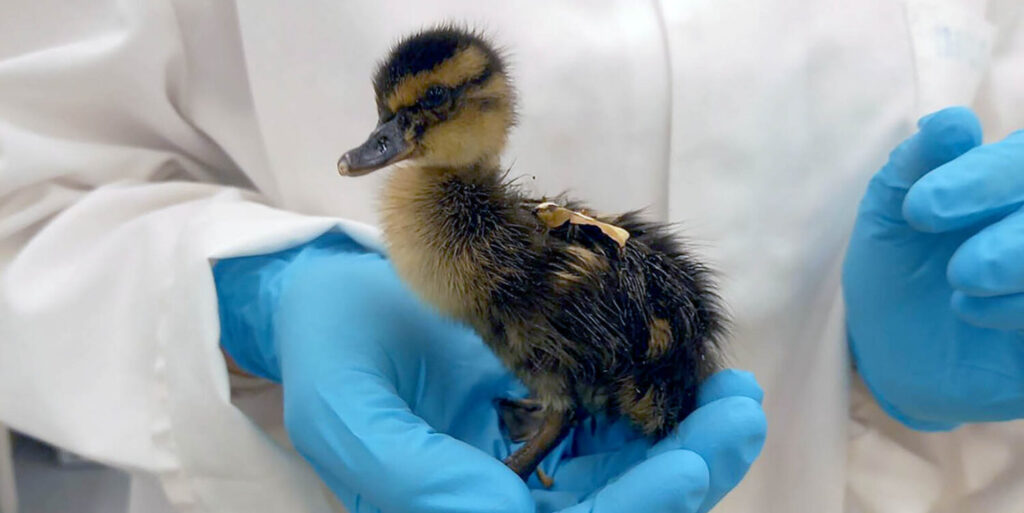
PFAS — the so-called “forever chemicals” — have been found to alter gene expression in duck embryos, potentially impairing metabolism and immune function before the birds even hatch. Norwegian SciTech News+2PubMed+2
Key Findings
- Researchers at NTNU exposed mallard eggs to two emerging PFAS (PFECHS and PFDoDS) and to legacy PFOS. OUP Academic+1
- After hatching, gene expression was tested in three organs: liver, heart, and bursa of Fabricius (an immune-system organ). PubMed+1
- In the liver, genes regulating fat metabolism were altered. Norwegian SciTech News
- In the bursa fabricii, a gene linked to viral infection detection was more active — suggesting possible immune-stress. Norwegian SciTech News+1
- The heart showed minimal gene-expression disturbance at this early stage. Phys.org+1
- The two tested PFAS are not yet widely regulated; one (PFECHS) is used in aircraft hydraulics, while the use of PFDoDS is not well documented. Norwegian SciTech News
- These effects support calls for regulating all PFAS together rather than chemical-by-chemical. Norwegian SciTech News
Why This Matters
- Changes in fat metabolism could reduce survival or reproductive success, especially in wild migratory species. Phys.org
- Early immune-gene modulation may leave birds more vulnerable or stressed — but it’s unclear whether it’s adaptive or harmful. Science
- Since PFAS persist in the environment and accumulate in wildlife, impacts during development are particularly concerning. Science Focus+1
- Supporting broad PFAS regulation (rather than individual bans) could better protect wildlife and ecosystems. Norwegian SciTech News
How Ecotox Environmental Services Can Help
- Wildlife Exposure Monitoring
- Sample bird populations (eggs, tissues) to measure PFAS levels and assess exposure in wild settings.
- In Ovo Exposure Modeling
- Build models to simulate PFAS transfer from mother to egg and predict developmental exposure under real-world conditions.
- Gene-Expression Risk Assessment
- Use transcriptomic data (or partner with labs) to predict how PFAS exposure may disrupt critical metabolic or immune pathways.
- Ecological Risk & Policy Advisory
- Provide evidence-based risk assessments and policy advice to regulators or conservation groups advocating for stronger PFAS controls.