


Carbon-Rich Waters on the U.S. West Coast Are Acidifying Faster Than Expected
A new University of Washington study shows that waters in the Northeastern Pacific are acidifying more rapidly than much of the ocean, due to both high baseline carbon and increasing atmospheric CO₂.
Key Findings
- Since the Industrial Revolution, ocean waters have become ~30% more acidic — a trend now accelerated in certain coastal regions.
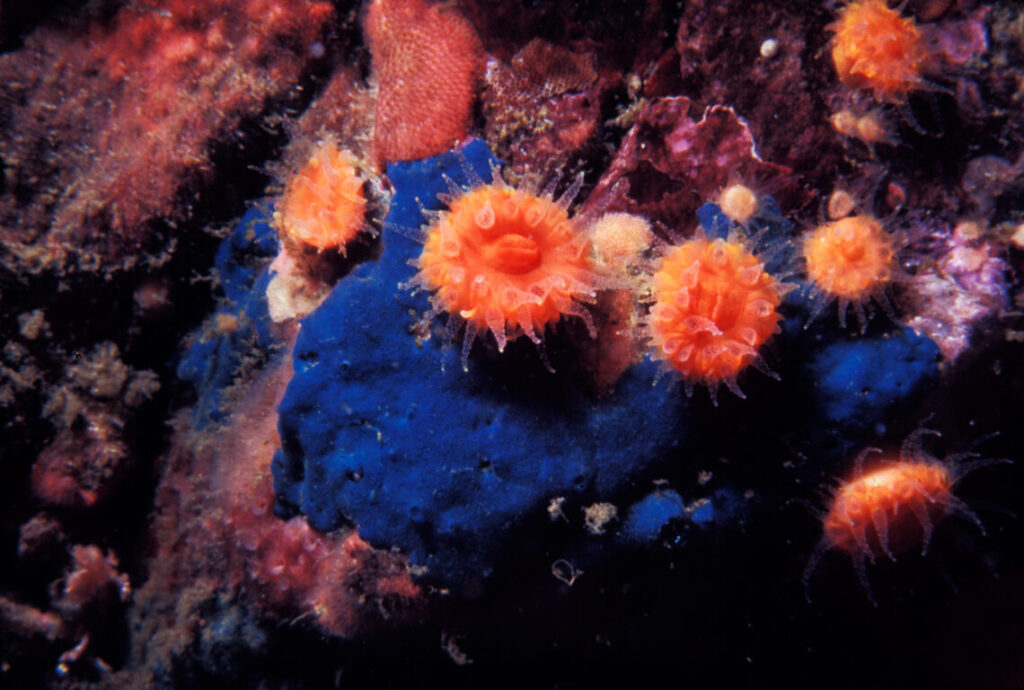
- Using coral skeletons (from orange cup corals) collected between 1888 and 2020, researchers found that CO₂ in seawater has increased faster than in the atmosphere.
- The Northeastern Pacific is especially vulnerable because of upwelling: deep, CO₂-rich waters are brought to the surface where they mix with atmospheric CO₂, lowering pH.
- Acidification is especially pronounced 100–200 m below the surface — deeper than surface measurements usually focus on.
- Calcifying organisms (corals, clams, shellfish) are at risk, because acidified waters reduce the minerals they need to build shells.
- If CO₂ emissions continue, this “amplification effect” is likely to intensify. But researchers note there is still agency: reducing emissions can change outcomes.
Why This Matters
- Local ecosystems (e.g. in Washington State and British Columbia) may be among the first to face severely altered chemistry, threatening fisheries and shellfish industries.
- Coral-based records provide a window into long-term ocean chemistry changes — acting like a “time capsule” for past acidity.
- Understanding these hotspots allows for early warning and adaptation — giving communities and regulators data-driven urgency.
How Ecotox Environmental Services Can Help
Here’s how Ecotox’s current services map to the findings and support climate-resilient marine planning:
- Carbon & pH Monitoring Programs
- Deploy sampling and sensor networks to track acidification trends in vulnerable coastal zones (e.g., upwelling regions).
- Fate & Transport Modeling
- Simulate how upwelled CO₂-rich waters circulate, mix, and acidify over time, under different emissions scenarios.
- Ecosystem Risk Assessment
- Evaluate impacts on calcifying species (shellfish, corals) and model how acidification may impair their survival or growth.
- Adaptation & Mitigation Planning
- Support strategies for conservation, fisheries management, and policy design to reduce vulnerability and build resilience.