


Electrochemical Recycling Unlocks Sustainable Lithium Recovery from Spent Batteries
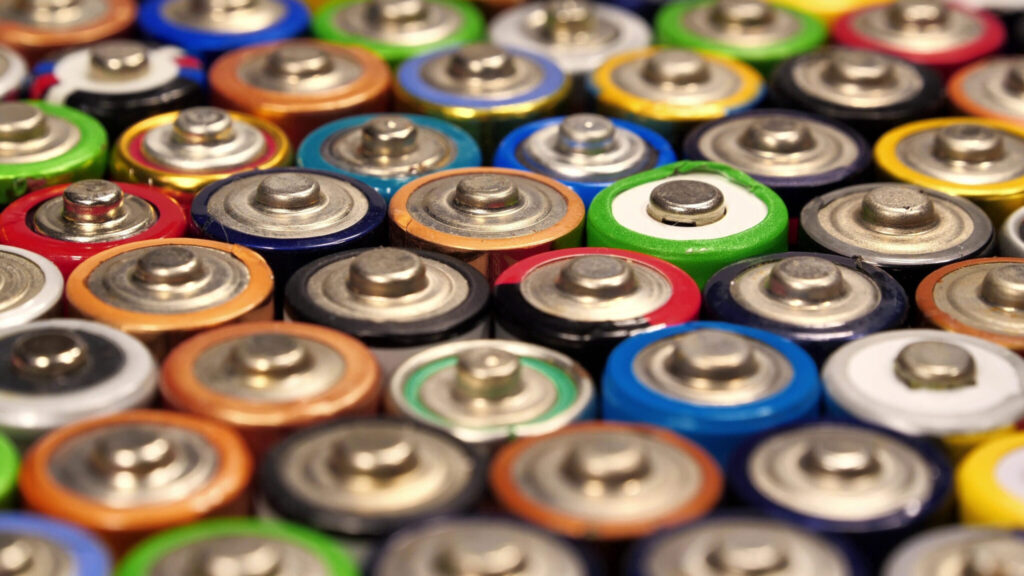
A recent study from the University of Illinois Urbana-Champaign demonstrates a commercially viable electrochemical method to recover lithium from spent batteries — a step toward closing the lithium supply loop.
Key Findings & Process
- Metals are leached from spent lithium-ion batteries into an organic solvent, creating a mixture containing lithium and other metals.
- A polymer-coated electrode (copolymer) selectively captures lithium ions from the organic leachate when placed in an electrochemical cell.
- Once the electrode is saturated, a voltage is applied to regenerate it, releasing lithium ions into a separate solution and leaving other metals behind.
- This system can be cycled repeatedly, making the recovery process efficient and potentially scalable.
- An economic analysis indicates that, using a three-stage approach, the recovered lithium could be produced at a cost competitive with current lithium market prices.
- The method supports a more circular lithium supply chain, reducing reliance on mining and minimizing environmental impacts.
How Ecotox Environmental Services Can Help
Ecotox’s existing services are well-aligned to support the adoption and scaling of this technology:
- Battery Waste Characterization & Sampling
- Collect and analyze spent battery material to assess lithium and co-metal composition, leachability, and impurity profiles.
- Process Modeling & Feasibility Studies
- Model electrochemical recovery systems (coupled with organic-leaching + polymer capture) to evaluate scalability, throughput, and cost implications.
- Lifecycle & Sustainability Assessment
- Evaluate environmental impacts of this recycling route versus conventional lithium mining, including greenhouse gas emissions, energy demand, and waste generation.
- Regulatory & Risk Assessment Services
- Conduct risk assessments for solvent handling, polymer regeneration, and effluent treatment; support permitting, compliance, and safe design.