


Global Methane Emissions Keep Rising Fast—Now Trade & Fertilizer Join the Spotlight
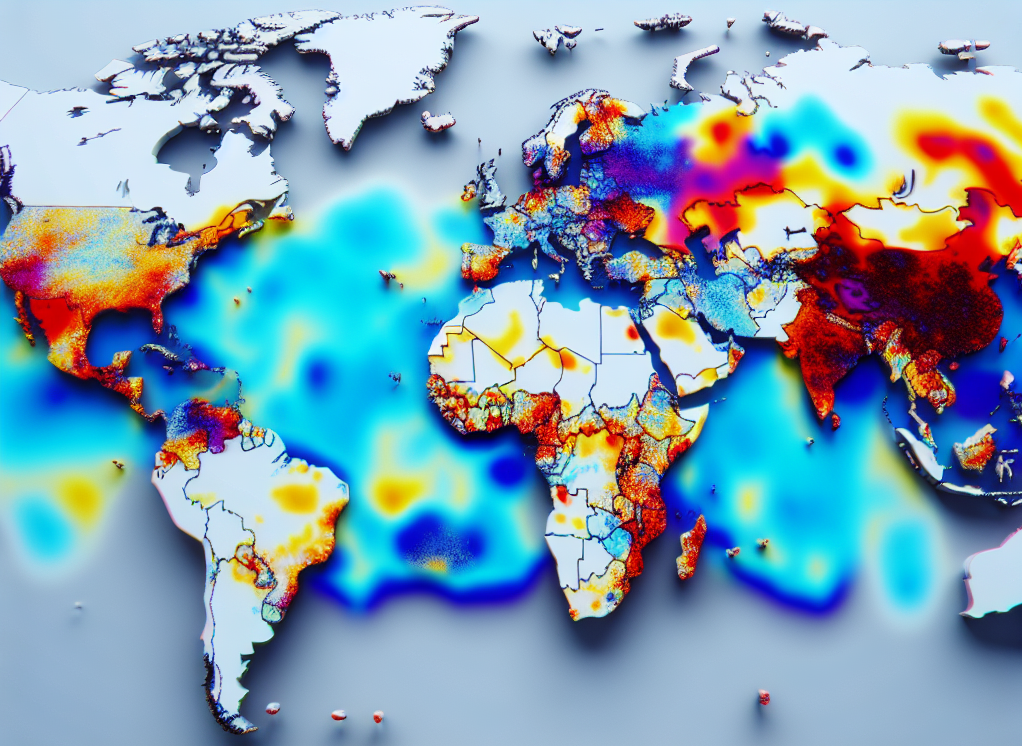
A new study from the Universities of Birmingham and Groningen shows global methane emissions continuing their upward trend, with no clear sign of slowing down. The analysis covers emissions from 164 countries and 120 sectors between 1990 and 2023 and highlights how global trade alone accounts for about 30% of today’s emissions. Key drivers: industrialization in Asia and the Pacific, growing fertilizer production, and methane leaks in oil & gas extraction.
Key Findings
- Trade-related emissions: Around 30% of global methane emissions are embedded in international trade, meaning that supply chains are a major pathway for emission transfers.
- Shifting regional dynamics: Asia and the developing Pacific are now among the fastest-growing contributors, owing to rapid economic growth, population increase, and less efficient methane control technologies.
- Sector hotspots: Fertilizer production, livestock feed systems, and waste & recovery sectors are flagged as high-impact areas where mitigation could make a strong difference.
- Technological efficiency helping, but not enough: While emission rates per output unit have dropped markedly (nearly ~67% in emission intensity since ~1998), total emissions continue rising because of growth in demand, trade, and industrial expansion.
Why This Matters
- Methane has a short atmospheric lifespan compared to CO₂, but very high global warming potential over 20 years—so reductions now can yield quicker climate benefits.
- Rising emissions threaten to undercut climate goals. Especially for developing regions, technical and financial support will be critical.
- Pollution and public health: methane contributes not only to warming but also to ground-level ozone and air quality problems, some estimates link it with millions of premature deaths annually.
How Ecotox Environmental Services Helps
Ecotox offers practical, existing services to address methane emissions growth effectively:
- Methane Emission Source Analysis
- We analyze supply chain and sectoral methane emissions—fertilizer plants, livestock operations, oil & gas leak detection—to help pinpoint hotspots for reduction.
- Pollutant Fate & Transport Modeling
- Use modeling tools to predict how methane and methane-derived pollutants spread—helping estimate exposure, leakage, and regional impact.
- Environmental Impact Assessments (EIAs) for High-Emission Facilities
- Assess projects in fertilizer production, agriculture, waste management, or industrial trade hubs to evaluate methane risks and suggest mitigation strategies.
- Monitoring & Technology Efficiency Audits
- Evaluate the efficiency of existing technologies, leaks, and operational practices; verify emission intensity reductions; support implementation of best practices.
Ecotox enables stakeholders to move beyond broad promises—to measurable, focused action in sectors and places where methane reductions can yield the fastest results.