


Turning Invasive Weeds into Biofuel: A Sustainable Solution from Australia
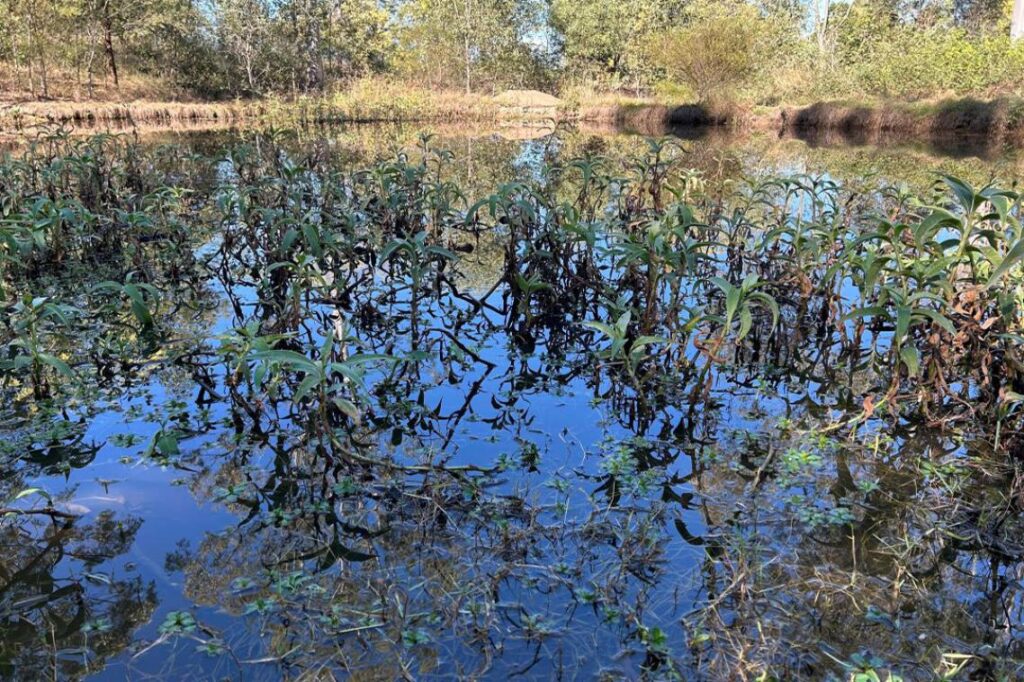
Researchers at the University of Queensland’s Queensland Alliance for Agriculture and Food Innovation (QAAFI) have discovered that invasive plants, particularly Brazilian nightshade and climbing asparagus, can be transformed into market-grade biomass pellets. These weeds contain roughly 25% lignin, comparable to wood, and produce durable, high-energy fuel pellets—an innovative and eco-friendly pathway for renewable bioenergy ([turn0search0], [turn0search1]).
Research Highlights
- Source material: Out of 15 weed species near Brisbane, Brazilian nightshade and climbing asparagus performed best due to competitive lignin content (~25%), essential for pellet strength and burn quality ([turn0search0], [turn0search3]).
- Fuel quality: Pellets developed by startup WorkEco showed high durability (97–98%), calorific value (18.8–19.2 MJ/kg), and low ash content (2.9–5.1%)—making them suitable solid biofuel ([turn0search1]).
- Policy relevance: Since wood-based pellets aren’t classified as renewable in Australia, these weed-derived pellets offer a viable alternative to forest biomass ([turn0search0], [turn0search2]).
- Broader feedstocks: The team is exploring other sources like agricultural residues, municipal green waste, and crops such as sorghum to ensure long-term biomass availability ([turn0search0], [turn0search3]).
- Strategic potential: The research supports bioenergy’s expected growth—aiming to meet up to 20% of Australia’s energy demand by 2050—as envisioned by ARENA ([turn0search0]).
How Ecotox Environmental Services Supports Sustainable Bioenergy Development
Ecotox is well-positioned to support real-world deployment of such innovations through these services:
- Feedstock Feasibility Evaluation
- Analyze invasive weed species or alternative biomass sources for feedstock viability—assessing lignin content, calorific value, durability, and processing compatibility.
- Lifecycle Environmental Impact Modeling
- Evaluate the greenhouse-gas emissions, land-use impact, and sustainability of switching to weed-derived pellets compared to traditional forest biomass or fossil fuels.
- Supply Chain & Resource Assessment
- Assess resource availability and scalability—including weed density, harvesting logistics, and municipal green waste streams—to support sustainable fuel supply planning.
- Policy & Community Engagement Support
- Provide insights and impact assessments to inform renewable energy policies, circular economy initiatives, and local government strategies for combining ecological management and energy production.
These services help convert innovative bioenergy research into tailored, sustainable, and compliant energy pathways—turning environmental challenges into community and environmental solutions.