


Solar-Driven Pickering Emulsions: A Sun-Powered Breakthrough for Industrial Wastewater Cleanup
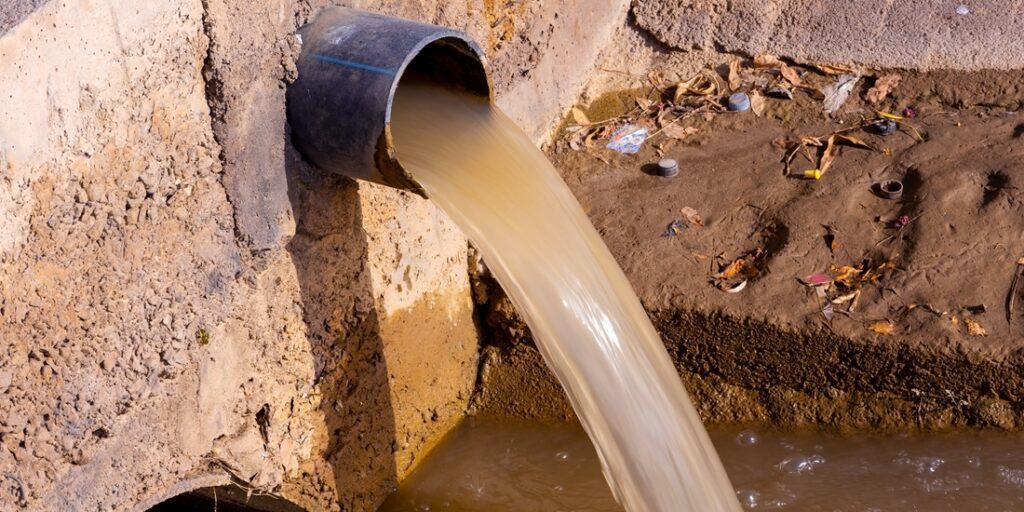
A creative doctoral study at the Norwegian University of Science and Technology (NTNU) presents a novel technique for purifying industrial wastewater using sunlight and small droplets of oil—offering a sustainable, scalable approach to removing challenging organic pollutants like naphthenic acids found in petrochemical, chemical, and textile industry waste streams EurekAlert!Phys.org.
Photocatalytic Pickering Emulsions: How It Works
- Oil droplets as micro-reactors: Tiny oil droplets, stabilized by photocatalytic nanoparticles, act like miniature chemical reactors embedded in wastewater.
- Light activation: Nanoparticles—especially titanium dioxide (TiO₂)—situate themselves at the oil-water interface and trigger pollutant breakdown when activated by sunlight Phys.org.
- Enhanced durability and reuse: Modifications such as polymer coatings (e.g., poloxamers) enhance emulsion stability, allowing repeated use; silane treatments improve droplet control; and adding gold boosts light absorption under both UV and daylight conditions Phys.org.
- An elegant solution: This method is inexpensive, reusable, and scalable, demonstrating a promising path toward greener industrial wastewater treatment Phys.org.
Environmental Relevance
Conventional methods struggle with complex organic pollutants. This sunlight-powered emulsion system leverages basic components (oil, light, smart materials) to process harmful chemicals more sustainably—reducing both energy demands and chemical use while improving purification efficiency.
How Ecotox Environmental Services Can Support This Innovation
Ecotox specializes in practical services ready to bridge lab-scale advances with environmental impact and deployment:
- Water Treatment Feasibility Studies
- Evaluate the real-world performance, stability, and recycling potential of photocatalytic emulsion systems in industrial or municipal settings.
- Custom Treatment Modeling
- Design and simulate treatment workflows, estimating required oil/pollutant ratios, sunlight availability, and nanoparticle dosing.
- Environmental Impact Assessments (EIAs)
- Assess the ecological implications of implementing this technology—from nanoparticle fate in runoff to oil residue handling.
- Regulatory & Compliance Planning
- Support integration into wastewater permits or sustainability programs that address emerging purification technologies.
With Ecotox’s experience in environmental modeling, monitoring, and compliance, organizations can confidently pilot this sustainable method and bring it from concept to field-tested reality.