


We Can’t Recycle Our Way Out of Plastic Pollution: Time to Cut Production Now
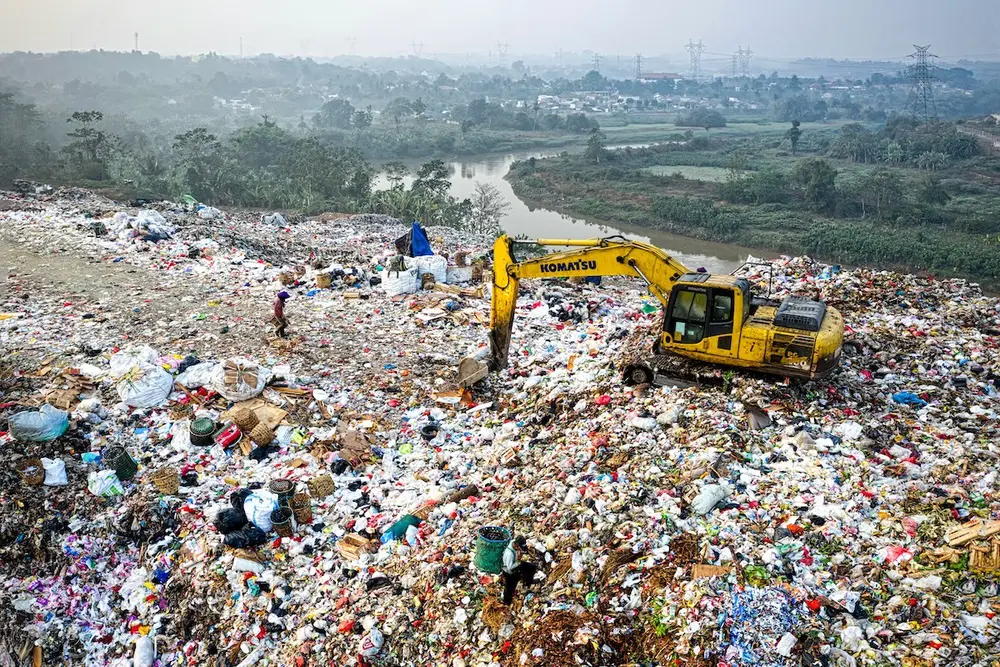
A new Lancet report, highlighted by Yale Environment 360, delivers a stark warning: recycling alone will not solve the mounting plastic crisis. With 8 billion tons of plastic waste already polluting our planet—and production set to nearly triple by 2060—cutting plastic production must be central to global solutions Yale E360.
Key Findings from The Lancet
- Massive plastic accumulation and health threats
Plastic production has risen from a few million tonnes in 1950 to hundreds of millions today. Less than 10% is recycled; the remainder ends up in landfills, incinerated, or dispersed into nature, becoming microplastics found even in the lungs, blood, and breast milk of humans Yale E360The LancetThe Guardian. - Health impacts throughout life stages
Plastics contain over 16,000 chemicals—many are linked to low birth weight, childhood obesity, reduced IQ, diabetes, stroke, and cancer. A few alone (PBDE, BPA, DEHP) inflict over US$1.5 trillion in global healthcare damages annually Yale E360The Guardian. - Recycling isn’t enough
The complexity of plastic types makes recycling ineffective at scale. Without cutting production, the pollution problem will spiral further out of control Yale E360The Guardian. - Global urgency amid stalled treaty talks
The report arrives as UN treaty negotiations sputter, with oil-rich states resisting binding reductions in production. Yet the alternative—weak recycling the primary focus—is clearly inadequate The GuardianFinancial Times.
How Ecotox Environmental Services Turns Insight into Action
While we don’t drive plastics policy, Ecotox provides key services that help translate this urgency into environmental protection and compliance:
- Plastic Contaminant Assessment
- Testing soil, water, sediment, and air for microplastic contamination—including toxic chemical residues—particularly in regions impacted by industrial or disposal sites.
- Pollutant Fate & Transport Modeling
- Simulating how microplastics move through ecosystems—forecasting exposure hotspots, risks to human and ecosystem health, and guiding cleanup efforts.
- Environmental & Health Risk Evaluations
- Quantifying the impact of plastic-associated pollutants (e.g., PBDE, BPA, DEHP) in local environments to support risk mitigation and policy-informed programming.
- Treatment Technology Assessments
- Analyzing emerging strategies—like microplastic filtration or removal in wastewater—and assessing their effectiveness and operational feasibility.
By offering rigorous contaminant detection, modeling, and risk assessment, Ecotox supports real-world efforts to manage plastic pollution’s real-time dangers—even as global production cuts lag behind what the science demands.