


Unlocking Farm-Driven Decarbonization: Leveraging Low-Carbon Biofuel Incentives for Climate-Smart Agriculture
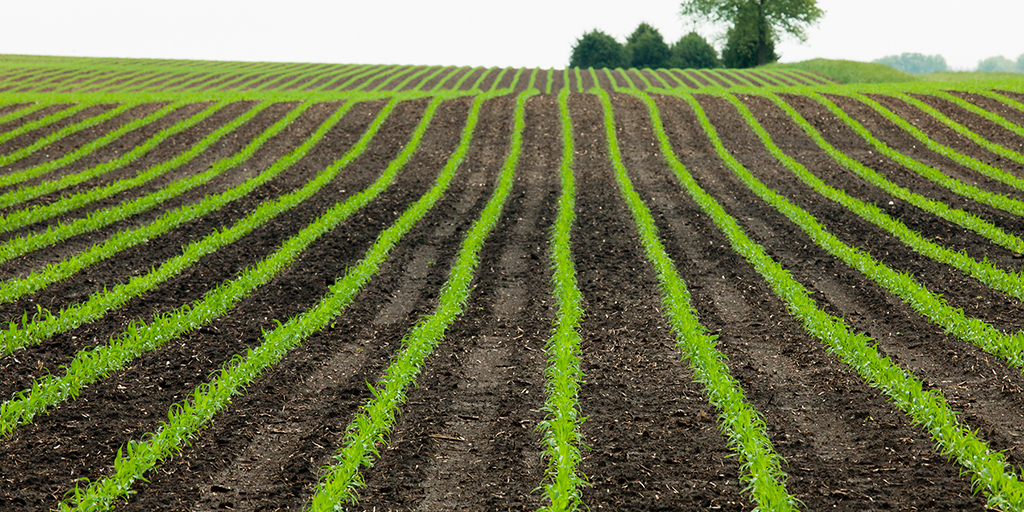
A pivotal new paper published in Science lays out a visionary policy framework aimed at decarbonizing agriculture through expanded incentives for low-carbon biofuels. Developed by a multidisciplinary team led by Professor Madhu Khanna at the University of Illinois Urbana–Champaign, the proposal links climate-smart farming practices with biofuel incentives to drive emissions reductions across the agricultural sector news.illinois.eduEnvironmental News Network.
Key Policy Proposals
- Rewarding Climate-Smart Practices at the Farm Level
Current biofuel policies treat all biofuel feedstock the same—regardless of farm management methods. The new policy would pay premiums for crops produced using practices that enhance soil carbon or reduce emissions—such as cover cropping, no-till, biochar addition, optimized fertilizer timing, vehicle electrification, and improved crop genetics news.illinois.eduPhys.org. - Massive Potential for Emissions Reduction
If implemented globally, climate-smart agriculture could curb carbon emissions by 4–8 billion tonnes annually—equivalent to roughly 10–20% of current global CO₂ emissions Environmental News NetworkPhys.org. - Streamlining Incentive Channels
The researchers suggest merging existing biofuel markets with agricultural carbon-offset mechanisms to create a single, performance-based payment stream. This removes redundant verification hurdles and helps early adopters avoid being penalized news.illinois.eduBIOENGINEER.ORG. - Leveraging Digital Monitoring & Process Models
Advances in digital agriculture and process-based ecosystem modeling can drastically simplify verification—reducing reliance on labor-intensive soil sampling and enabling scalable implementation news.illinois.eduBIOENGINEER.ORG. - Promoting Long-Term Commitment
To prevent “practice churn” (where farmers adopt climate-smart methods intermittently, risking re-release of sequestered carbon), the policy recommends tiered, contract-based payments tied to long-term soil carbon retention BIOENGINEER.ORG.
The Bigger Picture: Caveats & Lifecycle Integrity
While biofuels promise lower emissions, critics warn that diverting cropland to fuel can drive deforestation or food scarcity. Properly accounting for indirect land-use change (ILUC) and full lifecycle emissions—from farm to fuel—remains essential for effective policy design Wikipedia+2Wikipedia+2.
How Ecotox Environmental Services Supports Climate-Smart Biofuel Transition
Ecotox helps bridge cutting-edge research with grounded implementation through services that align with our current capabilities:
- Carbon & Soil Sequestration Monitoring
- We conduct carbon flux measurements, soil sampling, and modeling to quantify cumulative emissions benefits of deployed practices like cover cropping or biochar.
- Farming Practice Verification via Digital Tools
- Employ UAV or remote sensing to document adoption of no-till, cover crops, or electric equipment—supporting reliable performance-based incentive systems.
- Lifecycle & Environmental Impact Analysis
- Compare climate impacts of conventional vs. climate-smart agricultural workflows across crop and fuel supply chains, including ILUC risks.
- Policy-Aligned Program Design
- Advise on integrating climate-smart agriculture verification into biofuel policy or offset schemes—helping stakeholders access premiums or subsidies.
By offering robust monitoring, modeling, and verification services, Ecotox enables scalable, trustworthy pathways from innovative policies to tangible climate action.