


Coral Larvae Travel Farther—Fortifying Reef Resilience Through Connectivity.
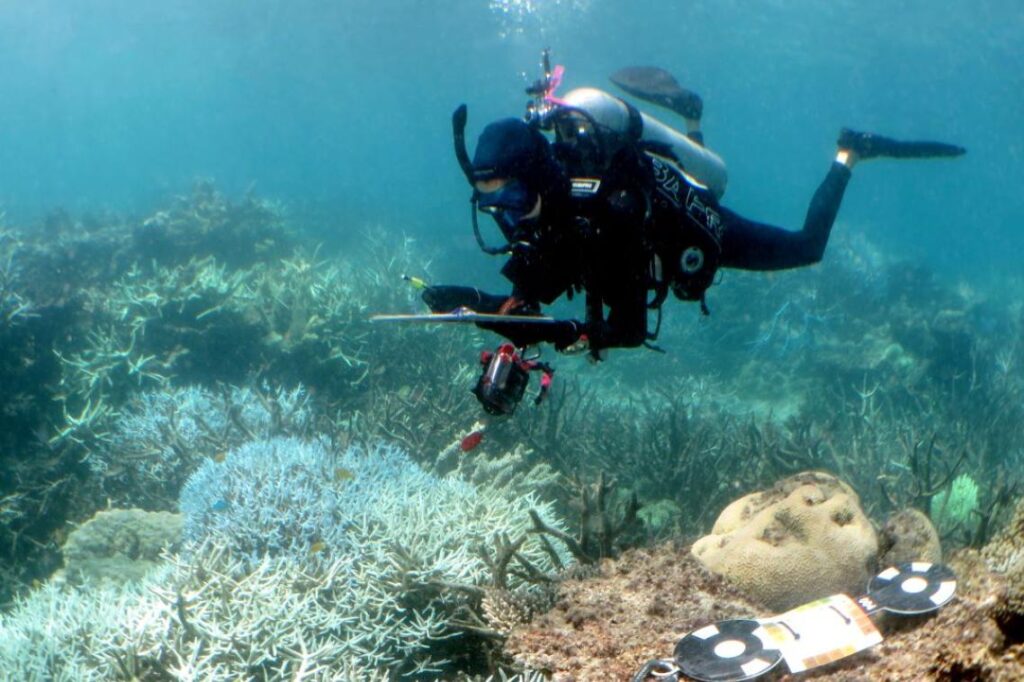
University of Queensland (UQ), in collaboration with the Australian Institute of Marine Science, has unveiled a crucial discovery: coral larvae can disperse dramatically different distances depending on species, directly affecting genetic diversity and reef recovery potential on the Great Barrier Reef Earth.com+8The University of Queensland+8aims.gov.au+8.
🔍 Species-Specific Dispersal Patterns
- Stylophora pistillata (brooder): Larvae disperse between 23–102 m, staying close to the parent colony Earth.com+3The University of Queensland+3ABC+3.
- Pocillopora verrucosa (broadcast spawner): Larvae travel up to 52 km, connecting distant reefs ABC+3The University of Queensland+3aims.gov.au+3.
This genetic “connectivity” supports recovery and adaptation against climate stressors. Brooders exhibit lower genetic diversity and smaller, more vulnerable populations, while broadcast species maintain robust, interconnected genetic networks LinkedIn+5The University of Queensland+5aims.gov.au+5.
🌱 Ecological and Management Implications
- Tailored restoration tactics: Brooder species require localized conservation efforts, whereas broadcast spawners benefit from broader reef connectivity zones.
- Genetic rescue strategies: For less-dispersing corals, regulated larval transplants could amplify genetic diversity and resilience.
- Blueprint for conservation: These insights enable planners to strategize coral planting and restoration based on natural dispersal habits ABC+3Earth.com+3The University of Queensland+3.
Ecotox Environmental Services Solutions
Ecotox supports reef managers with services aligned to these findings:
- Connectivity Assessment
- Genetic sampling and population surveys to identify isolated versus connected coral stands.
- Larval Dispersal & Restoration Planning
- Designing transplant protocols—from same or genetically diverse sources—tailored to each species’ dispersal range.
- Monitoring & Genetic Health Tracking
- Assess post-restoration genetic diversity and larval recruitment via targeted genetic assays.
- Ecological Impact Evaluations
- Integrating genetic procurement into Environmental Impact Assessments—ensuring restoration enhances reef health and ecological connectivity.
By applying science-based strategies, Ecotox helps design restoration approaches that align with species-specific dispersal traits, improving survival and resilience in reef ecosystems.